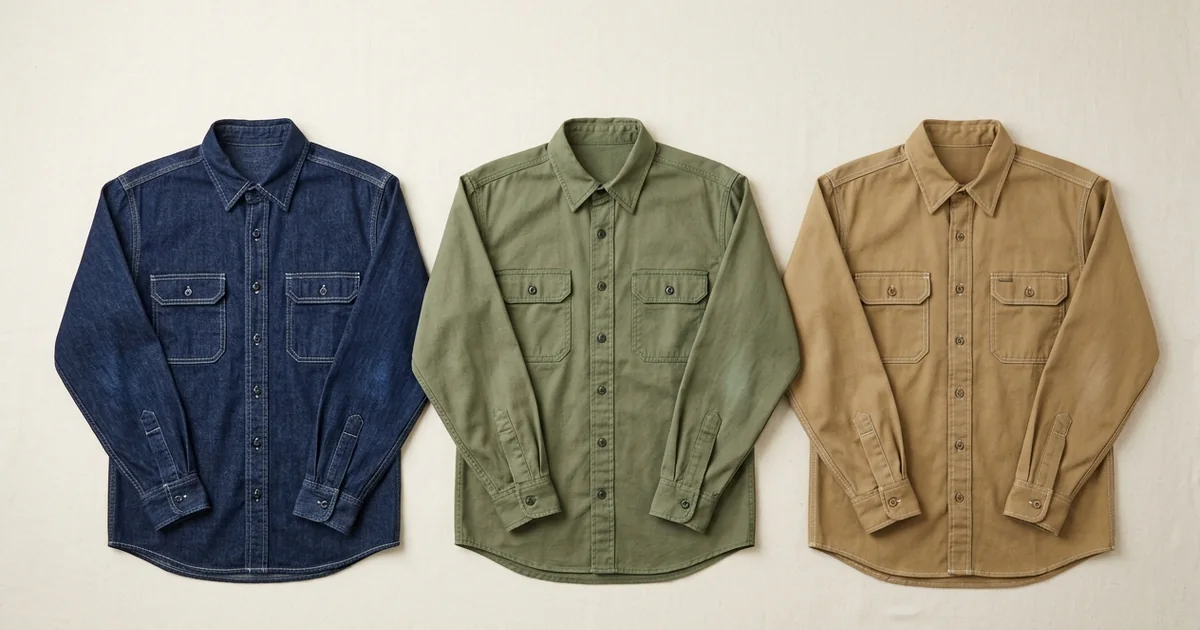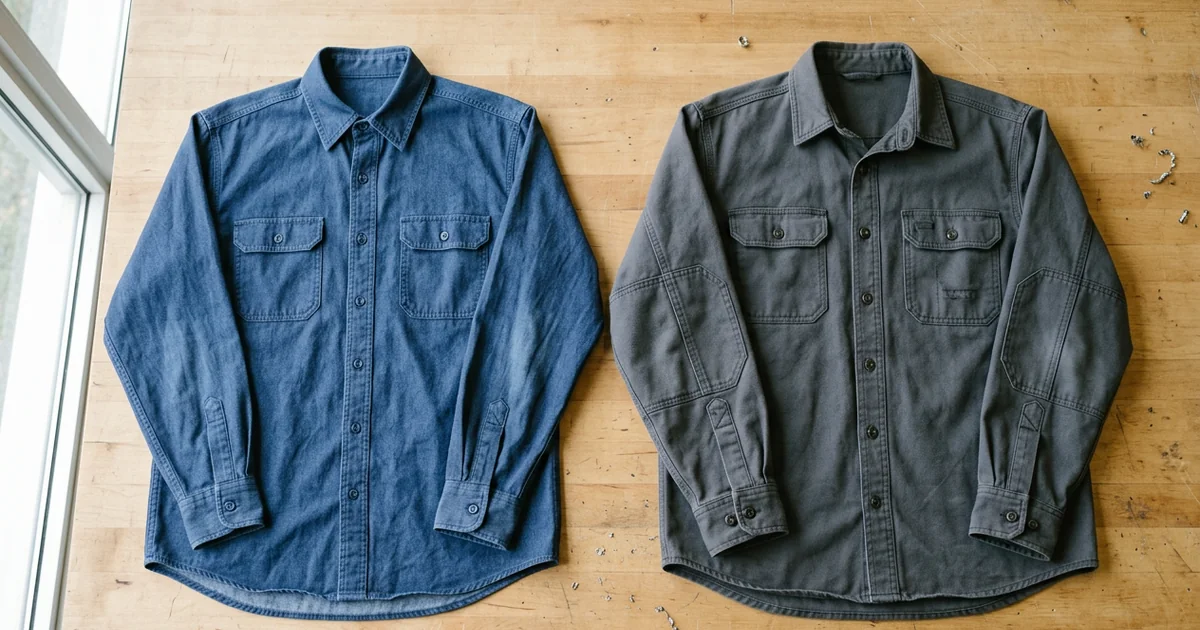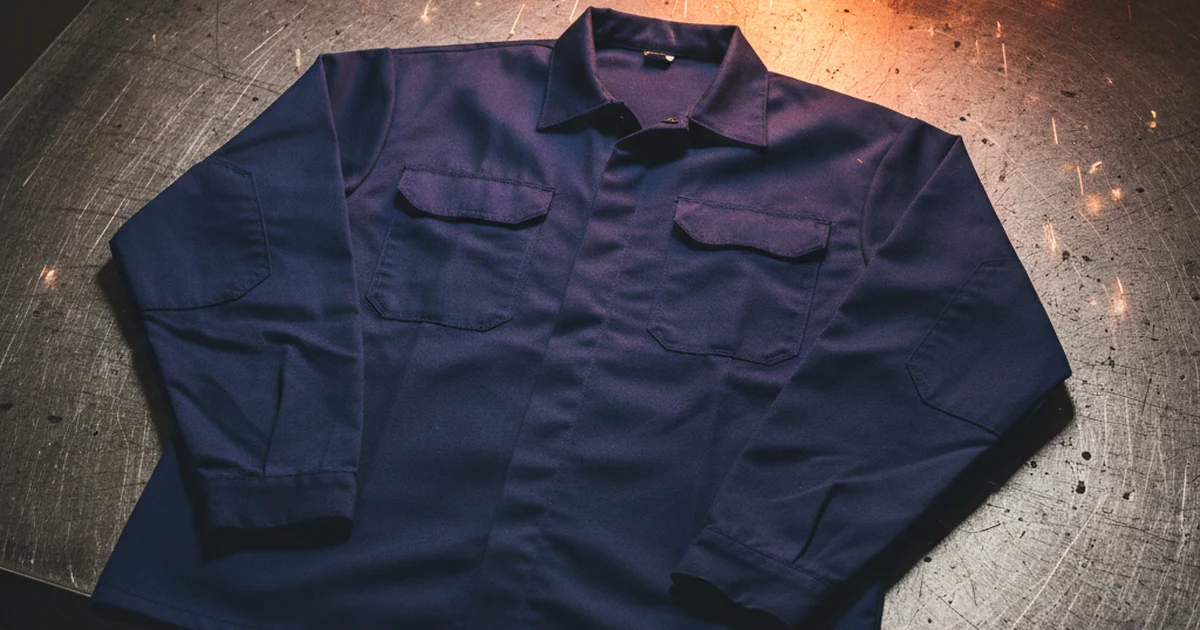
Is TICOMELA FR legit? Mostly, yes — TICOMELA is a real budget flame-resistant brand whose shirts and pants are listed as NFPA 2112 and sold almost entirely direct on Amazon at prices that undercut nearly every legacy FR name. The catch isn't whether it's "FR" — it's the trust gap. TICOMELA is a treated-FR import brand with a thin independent track record, and its headline claims (a specific ATPV arc rating, "20 years" as a manufacturer, FR that survives ~100 washes) are the brand's own marketing, not independently verified — one independent reviewer who handled the gear published no verification of the cert at all. Flame-resistant (FR) clothing is fabric that resists ignition, self-extinguishes, and won't melt onto your skin — it is not "fireproof." Below is what I'd actually trust, what I'd verify myself, and when I'd spend a little more.
Key Takeaways
- Listed as NFPA 2112, on the title: TICOMELA's FR shirts and pants list NFPA 2112 and CAT 2 right in the product title — so on paper it's positioned as genuine certified FR, not an "FR-look" costume.
- It's treated cotton, not inherent: TICOMELA uses FR-treated 100% cotton. The flame resistance is a chemical finish that can wash out if you launder it wrong — unlike inherent fibers like modacrylic or aramid.
- The arc rating is a brand self-claim — I couldn't lock a single number: TICOMELA markets an ATPV in cal/cm², but the figure quoted around its listings isn't consistent, so I won't print one. Read the ATPV off the tag of the exact garment you buy, not the marketing.
- Best for budget everyday and summer weight: the honest case for TICOMELA is cheap, light-to-mid-weight (roughly 4–7.5 oz) FR for hot work and starter rotations — not maximum durability or high arc-flash protection.
- Step up if you need it: for FR you can fully verify, LAPCO publishes a real ATPV and UL classification on its flagship shirt; for a broader field, see my best FR clothing brands guide.
Is TICOMELA FR actually NFPA 2112 rated?
This is the question that matters, because a flame-resistant shirt that isn't really rated is worse than a plain cotton tee — it hands you false confidence in front of a flash fire. On its listings, TICOMELA puts NFPA 2112 (the flash-fire garment standard) and CAT 2 right in the product title, and the longer descriptions add NFPA 70E and ASTM F1506 (the arc-flash side) plus FR buttons and FR sewing thread — which matters, because non-FR hardware and thread are a classic corner-cut on fake FR.
Here's the honest framing. NFPA 2112 is a garment-level certification verified by the ASTM F1930 manikin flash-fire test, and "certified to NFPA 2112" is a meaningful claim when it's true and backed by a third-party lab. What I can't do for you from a product page is confirm the lab paperwork behind every SKU — TICOMELA's listings lean on brand marketing more than published test reports, and that's the gap. An independent workwear reviewer who actually handled TICOMELA gear noted the neck tag references UL certification and that a small FR fabric sample ships in the box, but published no verification of the certification itself. So treat the cert as a starting point you confirm, not finished proof. When the box arrives, do what I'd do: read the sewn-in tag. A genuinely certified FR garment names the standard (NFPA 2112) and carries a UL / third-party classification mark. If the tag is vague, says "fire retardant" with no standard, or contradicts the listing, that's your signal — and I walk through that exact check in how to spot fake FR clothing. If you want the difference between "listed as NFPA 2112" and "third-party certified" spelled out, read NFPA 2112 compliant vs. certified.
The arc-rating claim — why I won't print a number
TICOMELA markets an ATPV arc rating in cal/cm² and lists NFPA 70E / ASTM F1506, which is the arc-flash side of the house — separate from the NFPA 2112 flash-fire side. The problem is that the specific cal/cm² figure I saw attached to TICOMELA shirts wasn't consistent from source to source, and I could not lock it to a single live listing I fetched. So I'm not going to hand you a number I can't stand behind — that would be exactly the kind of fabricated safety spec this site exists to warn you about. If your task carries an electrical arc-flash hazard, the arc rating is not something to take from a title or a marketing bullet: confirm the ATPV in cal/cm² on the ASTM F1506 label of the exact garment before you rely on it, and read what ATPV means and NFPA 2112 vs. NFPA 70E so you know which standard your job actually requires. NFPA 2112 covers flash fire; it does not, by itself, make a garment arc-rated.
Treated cotton, not inherent — why it matters
TICOMELA is treated FR: the flame resistance is a chemical finish engineered onto 100% cotton, not built into the fiber. That's not a knock by itself — plenty of legitimate FR (Carhartt FR, much of Bulwark's Excel line, all of LAPCO) is treated cotton, and treated cotton can certify to NFPA 2112. But buy it knowing the trade-off. Inherent FR — modacrylic and aramid fibers like Nomex or Kevlar — can't wash out because the fiber itself is flame-resistant. Treated FR lasts the life of the garment only if you launder it right: no chlorine bleach, no fabric softener, no peroxide bleach, no starch, and you keep it from getting saturated with grease or oil, which is its own fire hazard on any brand.
TICOMELA markets that its FR holds up to roughly 100 washes. I'd treat that number as a brand claim, not a tested fact — there's no independent lab report on the listing backing the specific count, and a treated finish's real-world life depends heavily on your wash routine. The practical takeaway: launder it the way I lay out in how to wash FR clothing and a TICOMELA shirt should give honest service. Toss it in with softener and bleach and you can compromise the FR on any treated garment — TICOMELA or a $130 premium name.
The value vs. the trust gap
The reason TICOMELA exists is price. It's among the most affordable NFPA 2112-listed FR you can buy, with a real weight range — from a ~4 oz summer tee up to 7.5 oz mid-weight welding shirts and cargo pants — so a crew can match the season instead of sweating through one heavy shirt all year. For a welder who keeps wrecking shirts, a worker who needs FR on a budget, or anyone building a starter FR rotation, that value is genuine and worth taking seriously.
The trust gap is just as real, and I won't paper over it. TICOMELA is an Amazon-native import brand. Its certification details and lab data are far less transparent on listings than the legacy names; its durability and arc-rating claims rest mostly on its own marketing; and its origin story — "20 years" as a manufacturer, "FR is the only product we make" — is self-reported and not independently verified, so I treat those as claims, not facts. None of that makes the shirt unsafe. It does mean the burden of verification falls on you in a way it doesn't with a brand that publishes its specs. For a YMYL safety purchase, that's the line: cheap and plausibly real, but you do the checking.
| Factor | What TICOMELA says / is | How to read it |
|---|---|---|
| Certification | NFPA 2112 + CAT 2 in the title; NFPA 70E / ASTM F1506 in descriptions | Meaningful claim — verify the tag + UL mark yourself |
| FR type | Treated FR 100% cotton, FR buttons & thread | Legit, but FR is a finish — launder correctly |
| Weight range | ~4 oz tee up to 7.5 oz welding shirts & pants | Genuine strength — match the season |
| Arc rating (ATPV cal/cm²) | Brand-claimed; figure inconsistent across sources | Don't trust a marketed number — read the F1506 tag |
| Durability (~100 washes) | Brand marketing claim | Treat as a claim, not tested fact |
| Origin / "20 years / FR-only maker" | Brand self-claim | Not independently verified |
| Price | Budget — most shirts land well under legacy FR | The real reason to consider it |
The TICOMELA pieces I'd actually consider
I rank these on protection and value merit, not on what pays — the affiliate link is the same either way. Every spec below is read off the garment's own live listing title; where TICOMELA doesn't state a figure on the page, I leave it out rather than borrow one from another SKU. Prices shift on Amazon, so I don't quote a hard dollar figure that could be stale by the time you read this — check the current price on the listing.
TICOMELA 7.5oz 100% Cotton NFPA 2112 CAT2 Welding Shirt — best for booth work on a budget
This is the most defensible TICOMELA buy. The listing title states a 7.5 oz, 100% cotton button-down welding shirt listed to NFPA 2112 at CAT 2 — the heaviest common weight in the line, which means more spark and spatter resistance for booth work, at a price legacy welding shirts simply don't hit. Mid-to-heavy treated cotton like this is the sensible pick if your main hazard is sparks rather than an electrical arc.
- Pros: heaviest common TICOMELA weight; 100% cotton listed to NFPA 2112 / CAT 2; FR buttons and thread; budget price for a welding-specific shirt.
- Cons: treated cotton, so it's stiff out of the bag and warm in summer; thin published lab data — verify the cert on the tag; don't assume the marketed arc rating.
TICOMELA 7.5oz NFPA2112 Welding Shirt (Navy/Khaki) — best everyday all-rounder
This is the shirt that defines what TICOMELA is for: a 7.5 oz flame-resistant work shirt listed to NFPA 2112, at the cheap end of the category, in the plain navy/khaki work colors most guys actually wear. It splits the difference between summer breathability and cold-weather coverage, which makes it the sensible default if you want one TICOMELA shirt to live in day to day.
- Pros: versatile 7.5 oz mid-weight; listed to NFPA 2112; FR buttons/thread; one of the lowest prices for a listed FR work shirt.
- Cons: listing leans on marketing over third-party lab data; treated finish fades if abused — read the tag and launder it right.
TICOMELA 6.5oz Light Weight Plaid — best for hot-weather booth work
If the 7.5 oz feels like too much shirt for a July shop, this is the lighter sibling. One thing to know up front: TICOMELA no longer lists the plain khaki 6.5 oz welding shirt, so the plaid is what you can actually buy at this weight now. The listing title states a 6.5 oz printed plaid FR cotton twill, and the listing text goes further than the title does — it claims NFPA 2112 (2012 edition), NFPA 70E, ASTM F1506 and an ATPV of 8.2 cal/cm² at HRC/CAT 2, with FR buttons and thread. For summer welding or hot indoor work where guys are tempted to ditch FR entirely, a cheap, lighter shirt is the one that actually stays on your back.
- Pros: lighter 6.5 oz weight breathes better than the heavyweight; the listing claims NFPA 2112 / CAT 2 with a stated ATPV figure; FR buttons and thread; cheap enough to rotate two.
- Cons: lighter treated cotton fades faster; every one of those ratings is the brand's own listing copy, not third-party lab data — confirm the standard on the tag; Amazon flags this listing as a frequently returned item, which usually means sizing or quality is inconsistent; not for high arc-flash tasks.
TICOMELA 5.5oz Lightweight NFPA 2112 Long-Sleeve FR Tee — best for summer heat
If heat is your enemy, this is the niche TICOMELA genuinely owns. The listing title states a 5.5 oz lightweight long-sleeve FR crewneck listed to NFPA 2112 — far more breathable than a heavy welding shirt, and light enough to layer or wear solo on a hot day. For hot work where a heavyweight FR shirt gets left in the truck, a cheap, light, NFPA 2112-listed tee is the one that stays on.
- Pros: among the lightest FR shirts at this price; breathable long sleeve for hot work; listed to NFPA 2112; cheap enough to rotate.
- Cons: light treated cotton fades faster and offers less spark/spatter coverage than a welding shirt; a tee is base-layer FR, not heavy-duty — confirm the rating on the tag.
When I'd spend more — honest alternatives
TICOMELA earns its place on price and light-to-mid-weight breathability. But it isn't the answer for every buyer, and a safety site that pretends otherwise isn't worth reading. Here's where I'd point you instead.
- Want an arc rating you can actually verify? LAPCO FR. LAPCO's flagship 7 oz. FR cotton uniform shirt publishes a real ATPV (8.7 cal/cm², CAT 2) and states it's UL Classified to NFPA 2112 and ASTM F1506 — the published, checkable spec sheet TICOMELA lacks, still at a value price. See my LAPCO FR review.
- Cross-shopping the other budget Amazon brand? Bocomal. Bocomal plays the same treated-cotton, Amazon-native game with a wider weight range up to an 8.5 oz welding shirt. My Bocomal FR review breaks down how the two budget brands compare, and cheap FR clothing on a budget maps the whole low-price field.
- Need a real arc rating, not just "FR"? Don't shop by price. If your job has an arc-flash hazard, FR alone isn't enough — you need a stated arc rating in cal/cm². Read what ATPV means and the best FR clothing brands before you trust your skin to any budget import, TICOMELA included.
Frequently Asked Questions
Is TICOMELA FR a legit, real FR brand?
Yes — TICOMELA is a real budget flame-resistant brand that lists its shirts and pants to NFPA 2112 and CAT 2, with treated FR cotton, FR buttons, and FR thread, sold almost entirely on Amazon. The certification is a genuine claim on paper; the weak point is transparency. It's an import brand with thin third-party lab data, so verify the standard and a UL mark on the garment tag yourself before relying on it.
Is TICOMELA FR actually NFPA 2112 certified?
TICOMELA lists NFPA 2112 and CAT 2 right in its product titles, and NFPA 70E and ASTM F1506 in the descriptions. NFPA 2112 is a garment-level standard verified by the ASTM F1930 flash-fire manikin test, so that's a meaningful claim when it's true and lab-backed. Because the test paperwork isn't published on listings, confirm the standard and a third-party UL classification on the sewn-in tag before trusting it.
What is TICOMELA's arc rating (ATPV)?
TICOMELA markets an ATPV arc rating in cal/cm² and lists NFPA 70E and ASTM F1506, but the specific figure I saw wasn't consistent across sources, so I won't print a number I can't verify. If your job has an arc-flash hazard, don't take an arc rating from a title or marketing bullet — read the ATPV on the ASTM F1506 label of the exact garment you buy.
Is TICOMELA FR inherent or treated?
TICOMELA is treated FR — the flame resistance is a chemical finish on 100% cotton, not built into the fiber like inherent modacrylic or aramid. Treated FR is legitimate and can certify to NFPA 2112, but it relies on correct laundering to last: no chlorine bleach, no fabric softener, no peroxide bleach, no starch. Inherent FR can't wash out, which is part of why it costs more.
Is TICOMELA or Bocomal better?
They're close cousins — both budget, treated-cotton, Amazon-native FR brands listed to NFPA 2112, with the same transparency limits. Bocomal offers a slightly wider weight range, up to an 8.5 oz welding shirt. TICOMELA covers roughly 4 to 7.5 oz. Neither publishes third-party lab reports on its listings, so pick on the specific SKU's weight and price for your task, and verify the tag on whichever you buy.
Why Trust This Guide
This review is written and reviewed by Wes Calder, an independent flame-resistant-workwear reviewer. Every recommendation is built on the published standards (NFPA 2112, NFPA 70E, ASTM F1506), manufacturer spec sheets and garment tags, hands-on handling, and what tradespeople actually report — and we tell you when a number is a manufacturer claim versus an independent standard, and when a garment is FR but not arc-rated. We earn an affiliate commission if you buy through some of our links, at no extra cost to you, and we never rank by commission over safety — see our affiliate disclosure. As an Amazon Associate, I earn from qualifying purchases.