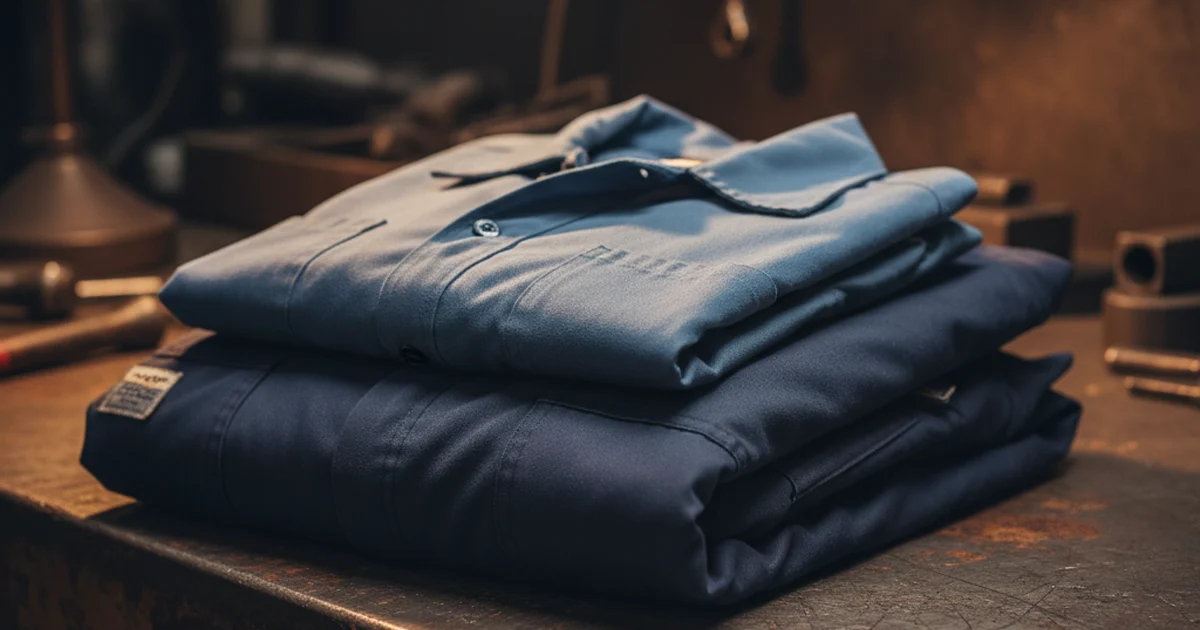

Inherent vs treated FR comes down to where the flame resistance lives: in an inherent garment the fiber itself is flame-resistant (think aramid or modacrylic), so the protection is part of the yarn; in a treated garment, a flame-resistant chemical finish is applied to cotton or a cotton blend. Here's the part nobody tells you straight: both can certify to NFPA 2112, and a properly-laundered treated garment keeps its rating for the life of the cloth. So the long-term money question isn't "which one washes out" — it's cost-per-wear, hand-feel, and whether your laundry will quietly wreck either one. FR clothing resists ignition, self-extinguishes, and won't melt onto skin — it is not "fireproof."
Key Takeaways
- Both certify NFPA 2112. Inherent and treated FR can each pass the same garment-level flash-fire standard. "FR" status doesn't depend on which one you buy.
- "Treated washes out" is mostly a myth. A treated FR finish is engineered to last the life of the garment if you launder it right — the failure mode is bad care (bleach, softener, oil saturation), not normal washing.
- Inherent costs more upfront, often less per wear. The fiber-level protection can't be stripped by laundering, and inherent garments frequently survive more wash cycles — so a higher sticker price can spread thinner over time.
- Treated wins on price and first-feel. FR cotton is cheaper and tends to feel like the workwear you already know, which matters for daily-wear compliance.
- FR is not the same as arc-rated. All arc-rated clothing is FR, but not all FR is arc-rated — an arc-flash job needs an arc rating in cal/cm², regardless of inherent or treated.
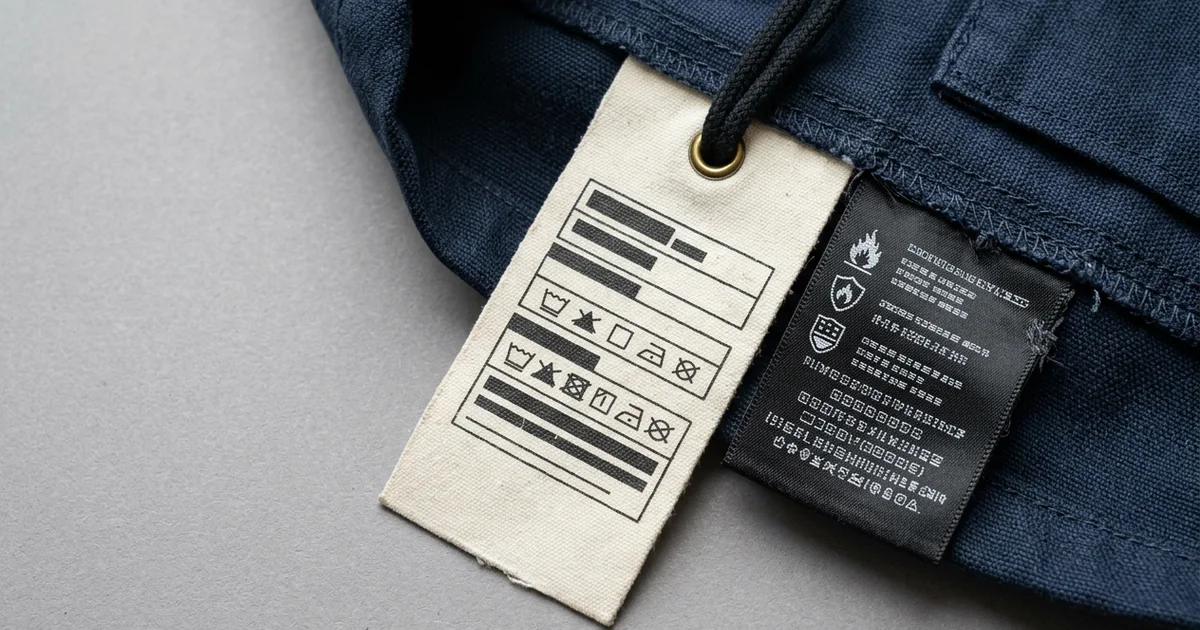
- Read the tag, not the marketing. The garment label and third-party classification tell you the real standard; "inherent" alone is not a safety rating.
What actually makes FR "inherent" vs "treated"
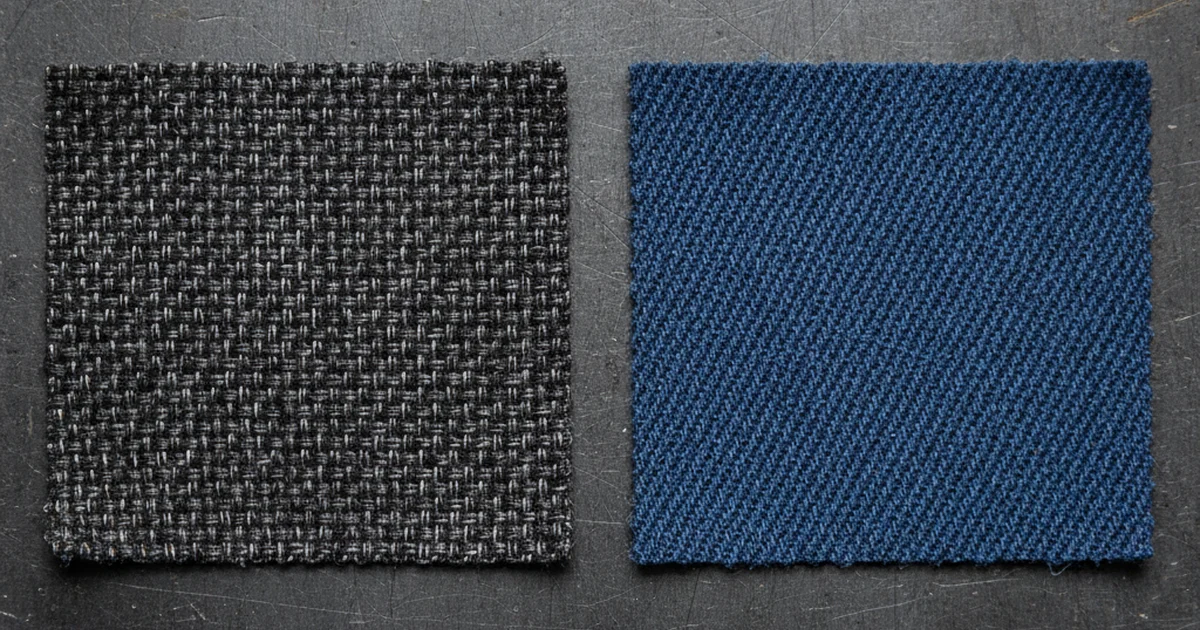
The difference is physical, not a grade of safety. In an inherent FR garment, the flame resistance is built into the fiber chemistry — aramid and modacrylic fibers don't readily ignite and won't melt, and that property is part of the polymer itself. You can't wash it out because there's nothing on the surface to wash off; the protection is the material.
In a treated FR garment, the base cloth is usually cotton or a cotton-rich blend that, untreated, burns like any other cotton. A flame-resistant chemical finish is bonded to that cotton during manufacturing. Done correctly, that finish is durable — it's designed to stay put through the garment's working life, not to rinse away after a few washes. The honest caveat: the finish lives with the cotton, so abusive laundering (chlorine bleach, fabric softener, hydrogen-peroxide bleach, starch) can degrade it. That's a care problem, not a built-in expiration date.
One thing both share: being inherent or treated says nothing, by itself, about whether a garment meets a standard. The certification is what matters — and that's stamped on the tag, not implied by the fiber.
The "treated washes out" myth — and the real failure mode
This is the single most repeated half-truth in FR. The story goes: inherent is "permanent," treated "wears off after X washes." The accurate version is narrower. A quality treated FR garment is engineered so the finish lasts the life of the cloth when laundered correctly. The garment usually wears out — frayed, thin, torn — before a properly-cared-for finish gives up.
What actually kills FR performance, for both types, is care abuse and contamination:
- Chlorine bleach can degrade FR performance and is off-limits.
- Fabric softener and starch coat the fibers with flammable residue — they can leave a burnable film on top of FR cloth.
- Hydrogen-peroxide bleach is likewise a no.
- Grease and oil saturation is the big one: a garment soaked in flammable contaminant is a fire hazard no matter how it was made. Saturated FR can carry fuel even when the base fabric still passes.
Notice that grease saturation hammers inherent garments too. So "buy inherent and never think about laundry again" is also a myth. The real money-and-safety lever is correct care — covered in our guide to washing FR clothing — far more than the inherent-vs-treated choice itself.
Both can certify to NFPA 2112 — so what is the standard actually proving?
NFPA 2112 is the flash-fire garment standard used in oil and gas, evaluated at the garment level with the ASTM F1930 instrumented-manikin test. A garment that carries an NFPA 2112 certification has been tested as a finished product — and both inherent and treated constructions can earn it. When you see NFPA 2112 on the tag, you're looking at the same garment-level bar regardless of fiber route.
Keep two distinctions straight so you don't overbuy or underprotect:
- NFPA 2112 (flash-fire) is not NFPA 70E (electrical). NFPA 70E is the electrical-safety-in-the-workplace standard that defines arc-flash PPE Categories CAT 1–4. ASTM F1506 is the FR-and-arc-rated fabric/apparel spec for electrical workers.
- FR is not automatically arc-rated. An arc rating is expressed in cal/cm² as ATPV or EBT; the garment's rating is the lower of the two, and higher is more protective. A garment can be FR (and even NFPA 2112-certified) without carrying an arc rating — see arc-rated vs flame-resistant for why that gap matters.
The takeaway for the inherent-vs-treated decision: the standard is the floor, and both routes can reach it. Choosing between them is an economics-and-comfort decision above a met safety bar — never a way to get safety on the cheap.
The cost-per-wear math (where the money actually is)
Sticker price tells you almost nothing. The number that matters is cost-per-wear: what the garment costs divided by how many shifts it survives before it's retired. That reframes the whole debate.
Treated FR typically wins the upfront line. FR cotton and cotton blends are cheaper to produce, so the entry price is lower — attractive when you're outfitting a crew or buying your own first set. The trade-off is that the cloth is cotton-based, and how long it lasts depends heavily on duty cycle and on laundering it correctly.
Inherent FR usually costs more at the register. Its long-term argument is that the protection can't be laundered out and the fibers are often more durable cycle-to-cycle, so a garment can outlast a comparable treated piece. Spread a higher price over more shifts and the per-wear figure can land lower — sometimes meaningfully so for someone wearing FR every day for years.
| Factor | Inherent FR | Treated FR |
|---|---|---|
| Where the FR lives | In the fiber (aramid / modacrylic) | Chemical finish on cotton / blend |
| Can certify NFPA 2112? | Yes | Yes |
| "Washes out"? | No — protection is the fiber | No, if laundered correctly (finish lasts the garment life) |
| Upfront cost | Higher | Lower |
| Hand-feel | Varies; can run different from familiar cotton | Tends to feel like the cotton workwear you know |
| Long-term cost-per-wear | Often lower (durability + can't be stripped) | Lower upfront; depends on duty cycle + care |
| Biggest risk to protection | Grease/oil saturation | Bad care (bleach/softener) + grease/oil saturation |
Two honest cautions on this table. First, durability and feel vary by specific garment, weave, and weight — treat the rows as the general trade-off, then verify the exact piece on its own spec sheet and tag. Second, none of this changes the safety floor: a met NFPA 2112 or arc rating is a met rating either way.
So which actually saves you money?
If you wear FR occasionally, rotate through a few garments, and watch the budget, treated FR usually wins — lower upfront cost, familiar feel, and a finish that lasts the garment's life when you launder it right. If you wear FR daily for years and can absorb a higher sticker price, inherent FR often wins on cost-per-wear because the protection can't be stripped and the garments tend to go more cycles before retirement.
Either way, the decision sits above a met standard — confirm the certification first, then optimize for budget and comfort. And the bigger savings, for both, is care discipline: a garment killed by softener or grease at six months is the most expensive FR you'll ever own. Before you weigh fiber economics, make sure you're buying genuine FR at all — our how to spot fake FR clothing guide covers the tells.
Frequently Asked Questions
Does treated FR really wash out over time?
Not under normal use. A quality treated FR finish is engineered to last the life of the garment when you launder it correctly. The real failure modes are care abuse — chlorine bleach, fabric softener, hydrogen-peroxide bleach, starch — and grease or oil saturation, which compromise FR performance for inherent garments too. The cloth usually wears out before a properly-cared-for finish does.
Is inherent FR safer than treated FR?
No — not by virtue of being inherent. Both inherent and treated constructions can certify to the same NFPA 2112 flash-fire standard, so a certified garment meets the same garment-level bar either way. Safety comes from the certification on the tag and from correct care, not from whether the flame resistance is in the fiber or in a finish. Match the rating to your hazard.
Is inherent FR cheaper in the long run?
It can be, on a cost-per-wear basis. Inherent FR costs more upfront, but the protection can't be laundered out and the garments often survive more wash cycles, so the higher price spreads over more shifts. For daily, multi-year FR wearers, that math can favor inherent. For occasional wear or tight budgets, treated FR's lower sticker price usually wins.
Does inherent vs treated affect the arc rating?
No. Both inherent and treated garments can be arc-rated, and an arc rating — ATPV or EBT in cal/cm², with the lower value being the garment's rating — is a property of the certified garment, not of the fiber route. All arc-rated clothing is FR, but not all FR is arc-rated. If your job has an arc-flash hazard, look for the cal/cm² rating and ASTM F1506 on the tag, regardless of construction.
How do I tell whether my garment is inherent or treated?
Check the tag and fiber content. Inherent FR lists flame-resistant fibers such as aramid or modacrylic; treated FR is typically cotton or a cotton blend with a flame-resistant finish noted on the label or spec sheet. For safety, the more important label items are the stated standard — NFPA 2112 and/or ASTM F1506 — a third-party classification, and the arc rating in cal/cm² where an electrical hazard applies.
Why Trust This Guide
This guide is written and reviewed by Wes Calder, an independent flame-resistant-workwear reviewer. Every recommendation is built on the published standards (NFPA 2112, NFPA 70E, ASTM F1506), manufacturer spec sheets and garment tags, hands-on handling, and what tradespeople actually report — and we tell you when a number is a manufacturer claim versus an independent standard, and when a garment is FR but not arc-rated. We earn an affiliate commission if you buy through some of our links, at no extra cost to you, and we never rank by commission over safety — see our affiliate disclosure.