NFPA 2112 "compliant" and NFPA 2112 "certified" are not the same claim — and the gap between them is where cheap FR gets sold. Compliant means a single component, almost always the fabric, passed the NFPA 2112 test methods. Certified means the entire finished garment — fabric plus thread, snaps, zippers, reflective trim, and label — was evaluated by an independent third party (typically UL, accredited to ISO/IEC 17065) and gets re-inspected every year to keep the mark. A shirt sewn from "compliant fabric" with the wrong thread and plastic snaps is not a certified garment, even though the listing wants you to read it that way. NFPA 2112 is the U.S. standard for flame-resistant garments used against short-duration flash fire — it evaluates the whole garment, not just the cloth, and it is a flash-fire standard, not an arc-flash rating. Here is exactly what each word on the label means and how to verify the one that matters.
Key Takeaways
- Compliant = a component passed the tests. Usually the fabric. It can be a manufacturer's own claim, and it says nothing about the thread, snaps, zippers, or how the finished garment behaves.
- Certified = the whole garment, third-party verified. An independent certifier (UL is the best known) accredited to ISO/IEC 17065 tests every component and the finished garment, then audits the maker annually and pulls random samples to keep the certification live.
- The tests are specific and named. Vertical flame (ASTM D6413) and thermal shrinkage/heat resistance at the component level; the instrumented manikin test (ASTM F1930) at the garment level — a 3-second flash-fire exposure that must keep predicted body burn at or below 50%.
- "Made with compliant fabric" is the tell. If a listing avoids the word certified garment and instead says "tested to NFPA 2112" or "made with NFPA 2112 compliant fabric," assume the finished garment was never third-party certified until you see the certificate.
- You can verify it in five minutes. Ask the seller for the UL (or other third-party) certificate and look the certification up in the certifier's public directory. No certificate, no certified garment.
Compliant vs. certified: the distinction the label is built on
Read a hundred FR listings and you'll see the two words used as if they're interchangeable. They are not, and NFPA 2112 draws the line on purpose.
Compliant is a component-level word. When a mill says its cloth is "NFPA 2112 compliant," it means that fabric was run through the standard's test methods and passed — vertical flame, thermal shrinkage, heat resistance. That's real and useful, but it's a claim about one piece of the puzzle, and it can be a first-party claim: the manufacturer's own statement, with no outside body confirming it. A roll of compliant fabric is a good starting material. It is not a finished, verified garment.
Certified is a garment-level word with a much higher bar. For a garment to be NFPA 2112 certified, the entire finished product — the fabric and the sewing thread, the buttons or snaps, the zippers, any reflective trim, and the label itself — has to be evaluated by an independent third-party certification organization. That certifier can't just be any lab: NFPA 2112 requires the body to be accredited to ISO/IEC 17065, the international standard for organizations that certify products. And it isn't one-and-done — the certifier audits the manufacturer and pulls random production samples on an annual basis to confirm the garments coming off the line still meet every requirement. That ongoing surveillance is a core part of what the word "certified" buys you. Underwriters Laboratories (UL) is the certifier you'll see most often on NFPA 2112 garments, though it isn't the only one.
The practical version: compliant tells you about the cloth and may be self-declared. Certified tells you an accredited outsider stands behind the whole garment and keeps checking. A third-party test report on the fabric — a common thing to be handed — is still not the same as a certified garment. Testing plus audits plus the annual re-inspection is what certification means.
| Question | "Compliant" (component) | "Certified" (garment) |
|---|---|---|
| What's evaluated? | Usually the fabric alone | The whole finished garment — fabric, thread, snaps, zippers, trim, label |
| Who says so? | Can be the maker's own claim (first-party) | An independent third party accredited to ISO/IEC 17065 (e.g. UL) |
| Ongoing checks? | None required by the word itself | Yes — annual audit + random sample testing to keep the mark |
| Proof you can ask for | A fabric test report (nice, but partial) | A certificate you can look up in the certifier's public directory |
| What it protects | Tells you the cloth passed — not the finished product | Tells you the garment you'll wear was verified as a whole |
The tests behind the words — named, so you can check
NFPA 2112 isn't a vibe; it's a set of pass/fail test methods, split between the component level and the garment level. Knowing the names is how you separate a real certified garment from marketing.
Component-level (the fabric and hardware). Before anything is called compliant, the material has to clear methods like these:
- Vertical flame test — ASTM D6413. A fabric sample is exposed to a flame in a vertical position; the standard limits how long it keeps burning (afterflame), how far the char spreads (char length), and forbids melting or dripping. This is the classic "does the cloth self-extinguish" test.
- Thermal shrinkage / heat resistance. The material is exposed to high heat to confirm it doesn't shrink excessively, melt, drip, or ignite — because a fabric that shrinks and splits open in a flash fire exposes skin exactly when you need coverage.
Garment-level (the whole finished product). This is the test that makes certification mean something:
- Instrumented manikin flash-fire test — ASTM F1930. A finished garment (cut to a standard coverall pattern) is put on a full-size manikin covered in an array of heat sensors — at least 100 thermocouples — and engulfed in a laboratory flash fire for 3 seconds at a heat flux of roughly 2 cal/cm². The sensors measure how much heat reaches the "skin," and the software predicts total second- and third-degree body burn. To pass NFPA 2112, that predicted body burn must average 50% or less across the tests. The 3-second exposure is chosen because it's about the upper end of a real flash fire, and the 50% line is drawn where survival odds fall off sharply as burn area climbs past it.
Here's why the split matters to you as a buyer: a garment sewn from ASTM D6413-passing fabric can still fail the ASTM F1930 manikin test if the design, thread, or hardware lets heat through — non-FR thread that burns out at the seams, snaps that conduct heat, a gap that opens under the flame. "Compliant fabric" gets you past the first hurdle. Only garment-level certification tells you the finished thing cleared the manikin. This is also the cleanest way to remember what NFPA 2112 is: a flash-fire garment standard — not an arc rating. If your hazard is electrical, that's a different standard entirely, which I cover in NFPA 2112 vs NFPA 70E.
Why the cheap listings say "compliant fabric," not "certified garment"
Once you know the difference, the wording on budget FR reads like a confession. Watch how many Amazon-native listings say some version of "made with NFPA 2112 compliant fabric," "fabric tested to NFPA 2112," or "meets NFPA 2112" — and how few say the plain, checkable thing: "UL-certified NFPA 2112 garment."
That's not an accident of phrasing. Certifying a whole garment is slow and expensive: you pay a third party like UL to evaluate every component, sew it, run the ASTM F1930 manikin test on the finished piece, and then submit to annual audits and random sample pulls to keep the certification. Buying a roll of already-compliant fabric and sewing shirts from it costs a fraction of that — and lets the seller put "NFPA 2112" in the title without ever certifying the garment. So the listing leans on the fabric's compliance and stays quiet about the garment. Sometimes the finished product genuinely is certified and the copywriting is just sloppy. But you can't tell sloppy from evasive by reading the listing — which is the whole point of asking for the certificate.
None of this means "compliant fabric" is fake or that every budget brand is lying. Plenty of legitimate FR is treated cotton, and a shirt from compliant cloth may well be a decent garment. It means the claim you're being sold is narrower than it looks, the burden of proof sits on you, and for a YMYL safety purchase that burden is worth carrying. I walk through the broader tells — vague "fire retardant" language, missing standards, no third-party mark — in how to spot fake FR clothing, and I put this exact wording gap under the microscope in my Bocomal FR review.
How to verify a garment is actually certified
You don't need lab access to check this — you need to ask one question and do one lookup.
- Ask the seller for the third-party certificate. Not a fabric test report, not a "certificate of compliance" the brand printed itself — the certification issued by an independent body (UL or another ISO/IEC 17065-accredited certifier) for the finished garment. A brand that certifies its garments can produce this quickly. Hesitation, deflection, or "our fabric is certified" as an answer to "is the garment certified" is itself the answer.
- Look the certification up. UL and other certifiers maintain public directories of the products they certify. Search the brand or the certification/file number you were given and confirm the garment is actually listed. A certificate you can't independently find is not proof.
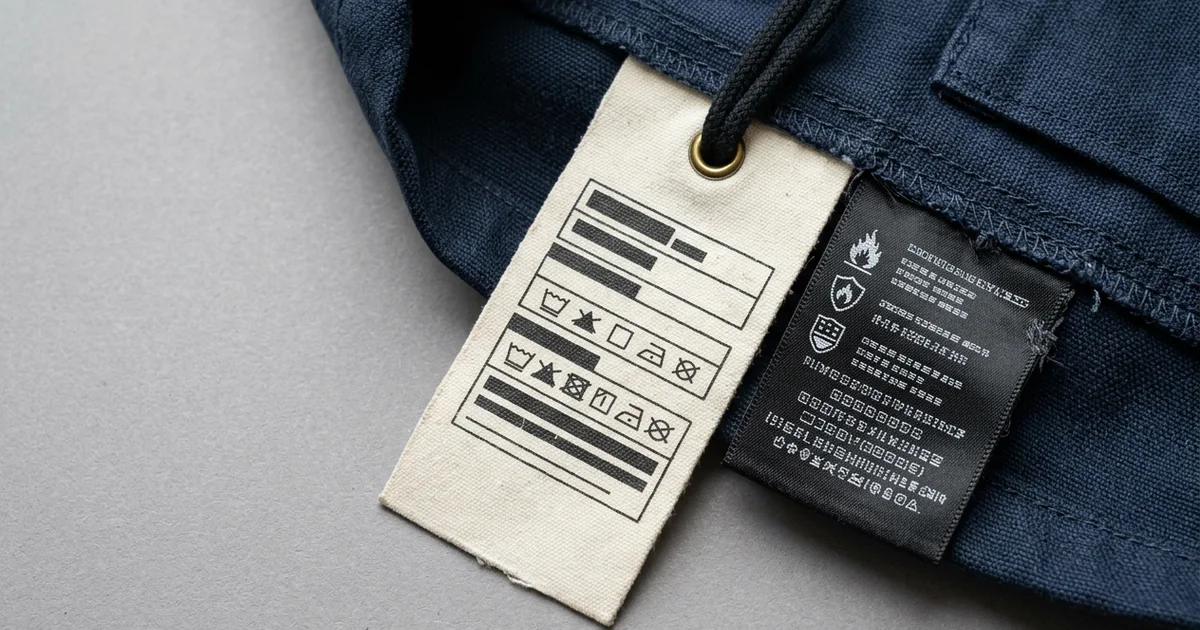
- Read the sewn-in tag. A genuinely certified garment names the standard (NFPA 2112, and its year) and carries the third-party certifier's mark — not just a brand logo. Vague "flame retardant" wording with no standard and no third-party mark is a red flag.
- Match the claim to the hazard. NFPA 2112 certification is about flash fire. It does not give you an arc rating. If your job has an arc-flash hazard, you need a stated arc rating in cal/cm² and ASTM F1506 — see what ATPV means. FR is not automatically arc-rated.
One more angle that's easy to miss: certification is about the fabric route only as far as the standard cares, so both inherent and treated FR garments can be NFPA 2112 certified. "Certified" tells you the finished garment passed; it does not tell you whether the FR is built into the fiber or applied as a finish — that's a separate durability question I break down in inherent vs treated FR.
Frequently Asked Questions
What's the difference between NFPA 2112 compliant and certified?
Compliant means a component — usually the fabric — passed NFPA 2112's test methods, and it can be a manufacturer's own claim. Certified means the entire finished garment, including thread, snaps, zippers, and label, was evaluated by an independent third party accredited to ISO/IEC 17065 (typically UL), which also re-audits the maker annually. Certified is the higher, verified bar; compliant fabric alone does not equal a certified garment.
Who certifies NFPA 2112 garments?
An independent third-party certification organization accredited to ISO/IEC 17065 — the international standard for product-certification bodies. Underwriters Laboratories (UL) is the certifier you'll see most often on NFPA 2112 garments, though it isn't the only one. The certifier tests the components and finished garment, then audits the manufacturer and pulls random samples annually to keep the certification current. A brand certifying itself is not third-party certification.
What tests does NFPA 2112 require?
At the component level, the fabric must pass tests like the vertical flame test (ASTM D6413) plus thermal shrinkage and heat-resistance requirements. At the garment level, the finished product is put on an instrumented manikin and exposed to a 3-second flash fire (ASTM F1930); to pass, the predicted second- and third-degree body burn must average 50% or less. Passing fabric alone does not guarantee the garment passes the manikin test.
Is "made with NFPA 2112 compliant fabric" the same as a certified garment?
No. "Made with compliant fabric" is a claim about the cloth, not the finished product — the thread, snaps, zippers, and construction may never have been third-party certified as a garment. Budget listings often use this wording because certifying a whole garment through UL, including the ASTM F1930 manikin test and annual audits, is far more expensive. Treat it as a partial claim and ask for the garment's third-party certificate before you rely on it.
How do I verify a garment is really NFPA 2112 certified?
Ask the seller for the third-party certificate for the finished garment — not a fabric test report or a self-issued document — then look it up in the certifier's public directory (UL and others publish these) to confirm the product is listed. Also read the sewn-in tag: a certified garment names NFPA 2112 and carries the third-party certifier's mark, not just a brand logo. No verifiable certificate means no certified garment.
Why Trust This Guide
This standards guide is written and reviewed by Wes Calder, an independent flame-resistant-workwear reviewer. Every recommendation is built on the published standards (NFPA 2112, NFPA 70E, ASTM F1506), manufacturer spec sheets and garment tags, hands-on handling, and what tradespeople actually report — and we tell you when a number is a manufacturer claim versus an independent standard, and when a garment is FR but not arc-rated. We earn an affiliate commission if you buy through some of our links, at no extra cost to you, and we never rank by commission over safety — see our affiliate disclosure.