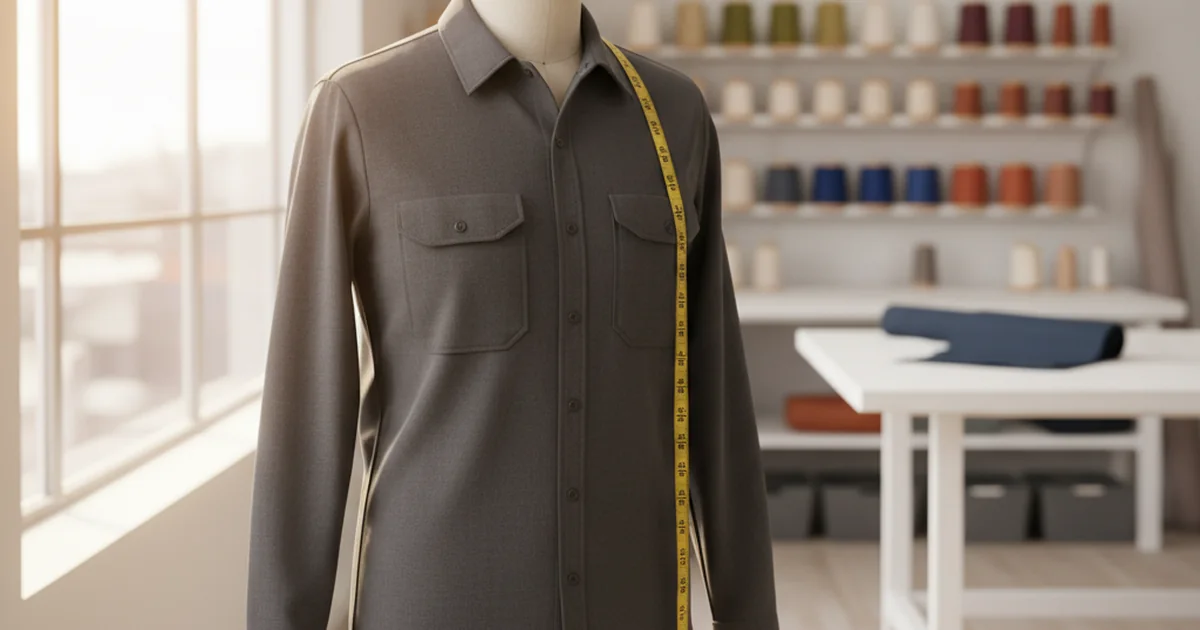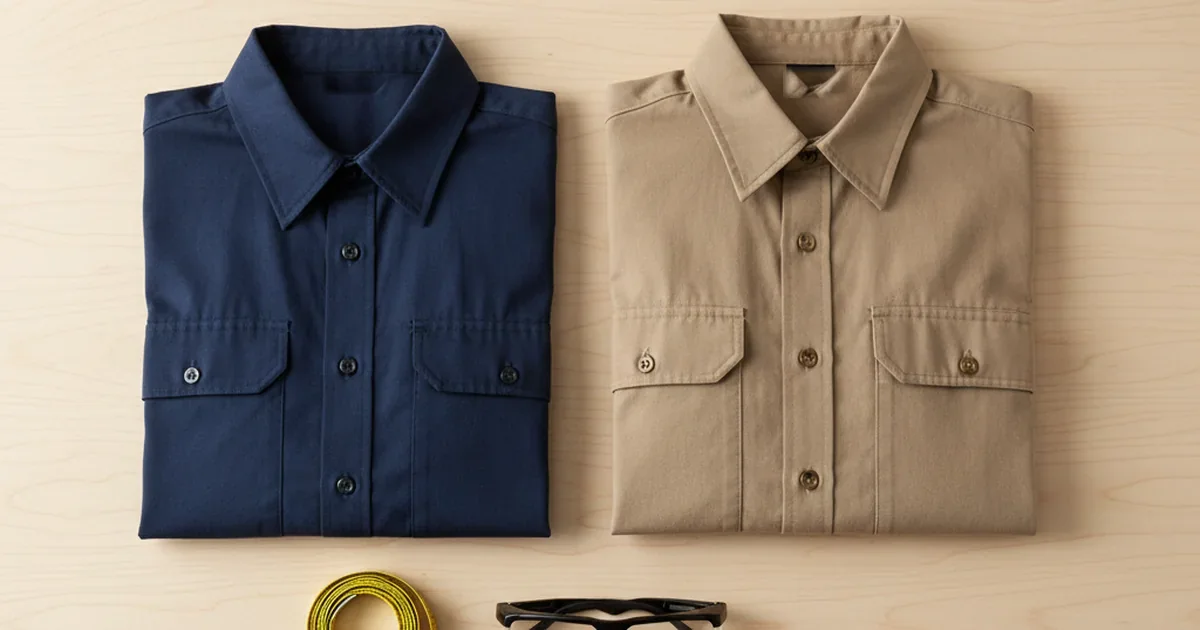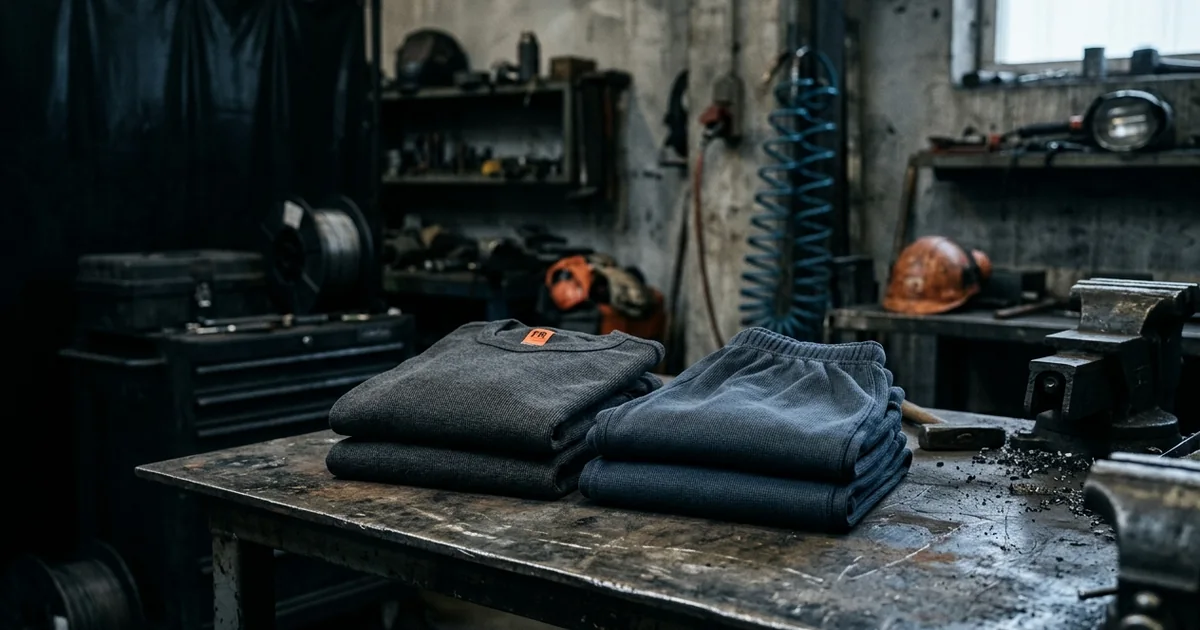

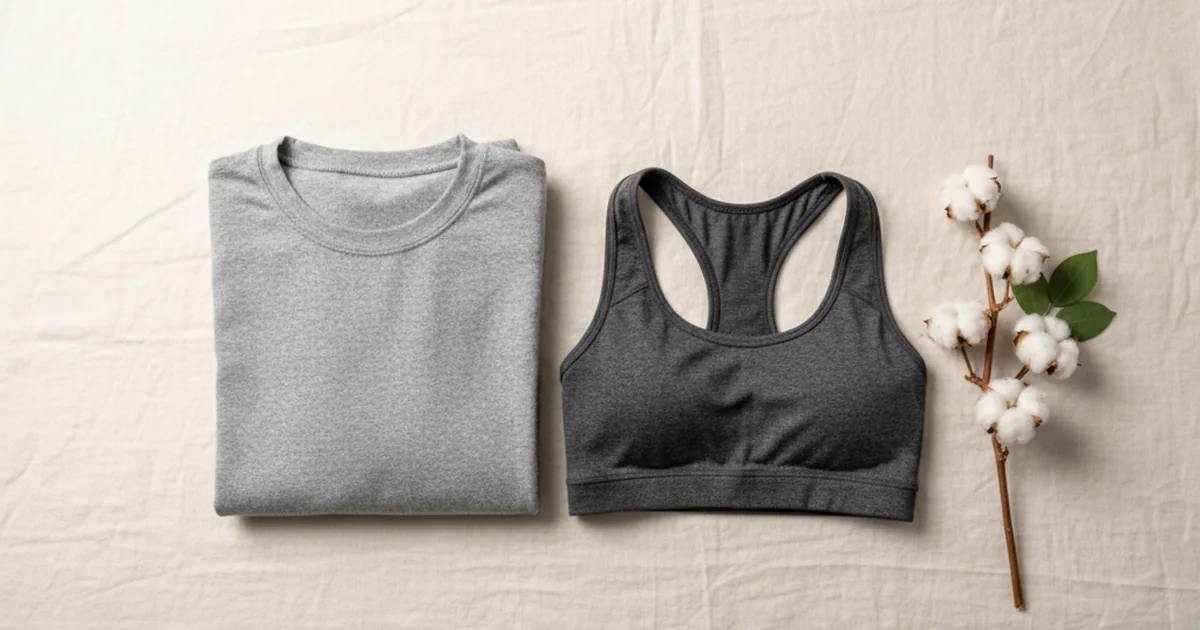
The short answer: never wear a bra or base layer that can melt — that means no plain nylon, polyester, or spandex next to your skin under FR. If a hazard breaks through your outer FR layer, a synthetic undergarment can melt and stick to your skin, making the burn worse. The safe choices are an arc-rated FR bra and base layer, or — as a fallback you can buy today — 100% cotton with no underwire. FR clothing protects the skin it covers; but if the layer against your skin is meltable synthetic, it can add a second burn injury even when the outer garment does its job.
Key Takeaways
- Meltable synthetics are the hazard. OSHA and NFPA 70E both prohibit meltable fibers (acetate, nylon, polyester, polypropylene, spandex) in the layers next to your skin — and most everyday bras are exactly that, plus an underwire.
- "Cotton melts" is a myth. Cotton, wool, and silk don't melt — they char or ignite. They're permitted next to skin because they won't melt-and-stick, but they are still flammable.
- Best practice = arc-rated. An FR/arc-rated bra and base layer add real protection; a flammable cotton layer can still ignite if the outer layer breaks open above its rating.
- Real FR bras are few and hard to get. The main certified option (NSA FRBRAJK) is often made-to-order and sold out — so the practical fallback is a 100% cotton, no-underwire sports bra until an FR one arrives.
Why your bra and base layer matter: the melt-to-skin hazard
This isn't a comfort tip — it's in the safety rules. OSHA's electric-power standard (29 CFR 1910.269; the apparel provisions were renumbered to paragraph (l)(8) in 2014, with the guidance in Appendix E) states plainly that "meltable fabrics, such as acetate, nylon, polyester, and polypropylene, even in blends, must be avoided," because "when these fibers melt, they can adhere to the skin, thereby transferring heat rapidly, exacerbating burns, and complicating treatment." OSHA even notes the hazard applies "even if the meltable fabric is not directly next to the skin."
NFPA 70E carries the same prohibition for arc-flash work: meltable fibers — including spandex — are not permitted in the fabric underlayers worn next to the skin (an incidental amount of elastic on otherwise non-melting underwear or socks is the only exception). One note for a YMYL topic: the exact NFPA 70E section number for this provision shifts between editions, so verify it against the edition your employer follows rather than trusting a single citation you saw online.
What's actually safe next to your skin
The rule sorts materials into three buckets:
- Prohibited: meltable synthetics — nylon, polyester, spandex, acetate, polypropylene — as the layer(s) against your skin. This is what most sports bras and moisture-wicking base layers are made of.
- Allowed (but still flammable): 100% cotton, wool, or silk. These don't melt-and-stick. Here's the myth-buster worth internalizing — cotton does not melt. Cotton, silk, and wool char or ignite as they heat rather than melting onto the skin, which is why they're permitted next to the skin when synthetics aren't. So cotton is safer than synthetic (no molten polymer on skin) but it is not itself flame-resistant.
- Best practice: an FR / arc-rated base layer and bra. If your outer FR garment breaks open above its rating, a flammable cotton underlayer can ignite; an arc-rated one won't, and it adds to the system's total protection.
Manufacturers demonstrate this directly: in Tyndale's testing, a meltable base layer under a rated FR system "ignite[d] and melt[ed]… leading to molten polymer all over the torso." The takeaway isn't "panic" — it's "don't let the cheapest layer be the one that hurts you."
The bra problem (and the underwire question)
Here's the women-specific gap the male-default guides skip: most bras are nylon/polyester and spandex, often with an underwire — precisely the meltable materials the rules warn against, sitting against skin in a high-consequence zone. In one manufacturer demo, a manikin in a properly rated FR system still had its meltable bra "briefly catch fire" once the outer layer broke open.
On the underwire: the primary concern raised by tradeswomen and safety folks is the flammability and melt of the surrounding synthetic, not electrical conductivity. That's field/industry guidance, not a codified rule, so treat it as informed practice: a non-underwire, non-melting bra removes the most obvious risk. The safe options, in order: an arc-rated FR bra; a 100% cotton bra with no underwire; or silk (still flammable, but non-melting).
The real FR / arc-rated sports bras
Purpose-built FR bras exist, but the category is thin and buyability is a genuine hurdle — so read the certifications carefully, because they come from three different systems:
- NSA FR Control 2.0 (FRBRAJK) — modacrylic blend, ATPV 4.0 cal/cm² (CAT 1), NFPA 70E + ASTM F1506. The most-cited certified option, but often made-to-order and out of stock.
- DRIFIRE Women's FR Sports Bra (DF2-762-SB) — DRIFIRE PRIME stretch, listed 4.4 cal / HRC 1, no-melt/no-drip; the listing gives the cal rating but not the specific NFPA/ASTM lines.
- ArcBra — 100% Nomex, ATPV 8.8 cal/cm², NFPA 70E — the highest arc rating of the bras, if you can source it (I couldn't pull a live price).
Two options to recognize but not confuse with US arc ratings: the UK ProGARM 8770 is certified to European standards (EN 1149-5 anti-static and EN ISO 11612 heat/flame) — not an NFPA/ASTM arc rating; and the Racechick FR Tank is an SFI 3.3 motorsports bra (for wear under a racing fire suit) — its page claims the fabric meets ASTM F1506/NFPA 2112 but publishes no cal value, so it isn't a substitute for an arc-rated bra in electrical work.
Women's FR base layers
Base layers are easier to buy than bras. For a non-melting layer that also fits, the Carhartt Women's FR Force Cotton crewneck (102685) is a true women's cut in 6.75 oz cotton FR jersey, UL Classified to NFPA 2112 and meeting NFPA 70E (no ATPV published — rate your arc protection at the outer layer). For an arc-rated base layer that adds its own number, the DRIFIRE FR Control 2.0 long-sleeve (C52FKSRLS) lists 4.0 cal/cm² (CAT 1), NFPA 70E, and ASTM F1506 — just confirm whether it's a women's or unisex cut before you order, since the listing doesn't specify.
Check the Carhartt women's FR base layer →
What to wear until you can get an FR bra
Because certified FR bras are often back-ordered, here's the honest interim: a 100% cotton sports bra with no underwire. It won't melt to your skin (the biggest risk), even though it isn't flame-resistant. Avoid anything with nylon/polyester/spandex against the skin or a metal underwire in a synthetic casing. Pair it with a non-melting (cotton or FR) base layer, and keep your outer FR garment closed up — the protection assumes it's worn that way.
Frequently Asked Questions
Can I wear a normal sports bra under FR clothing?
Not safely if it's nylon, polyester, or spandex — those can melt and stick to skin if heat breaks through your outer FR layer, and NFPA 70E and OSHA both prohibit meltable fibers next to the skin. Use an arc-rated FR bra, or a 100% cotton, no-underwire bra as a non-melting fallback.
Is cotton safe under FR — doesn't cotton burn?
Cotton is flammable but it does not melt — it chars or ignites rather than melting onto skin, which is why it's permitted next to the skin when synthetics aren't. The best practice is still an FR/arc-rated layer, because a flammable cotton layer can ignite if the outer garment breaks open above its rating.
Is an underwire bra dangerous under FR?
The main concern women in the trades raise is the flammability and melt of the synthetic bra material around the wire, not electrical conduction. A non-underwire bra in a non-melting material (cotton or FR) removes the most obvious risk. This is informed field practice rather than a specific code rule.
Where can I buy an FR sports bra?
Certified options include National Safety Apparel's FR Control sports bra (ATPV 4.0, NFPA 70E/F1506), DRIFIRE's FR sports bra (4.4 cal), and the Nomex ArcBra (8.8 cal). They're a small category and can be back-ordered or made-to-order, so order early and wear a 100% cotton no-underwire bra in the meantime.
Why Trust This Guide
This guide is written and reviewed by Wes Calder, an independent flame-resistant-workwear reviewer. Every recommendation is built on the published standards (NFPA 2112, NFPA 70E, ASTM F1506), manufacturer spec sheets and garment tags, hands-on handling, and what tradespeople actually report — and we tell you when a number is a manufacturer claim versus an independent standard, and when a garment is FR but not arc-rated. We earn an affiliate commission if you buy through some of our links, at no extra cost to you, and we never rank by commission over safety — see our affiliate disclosure.