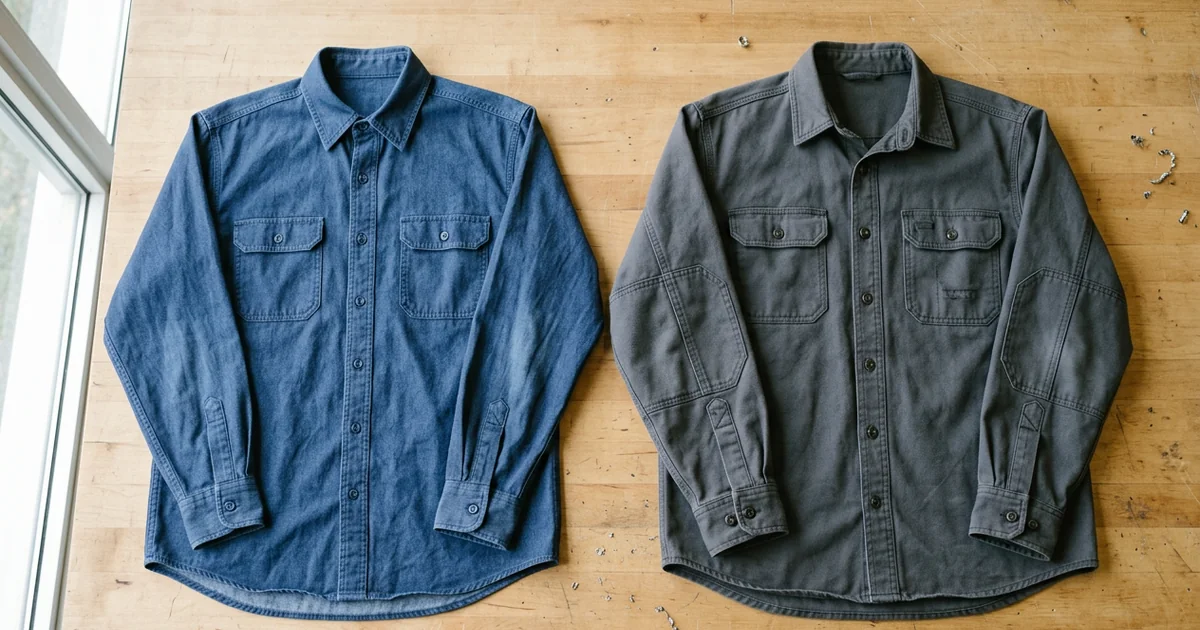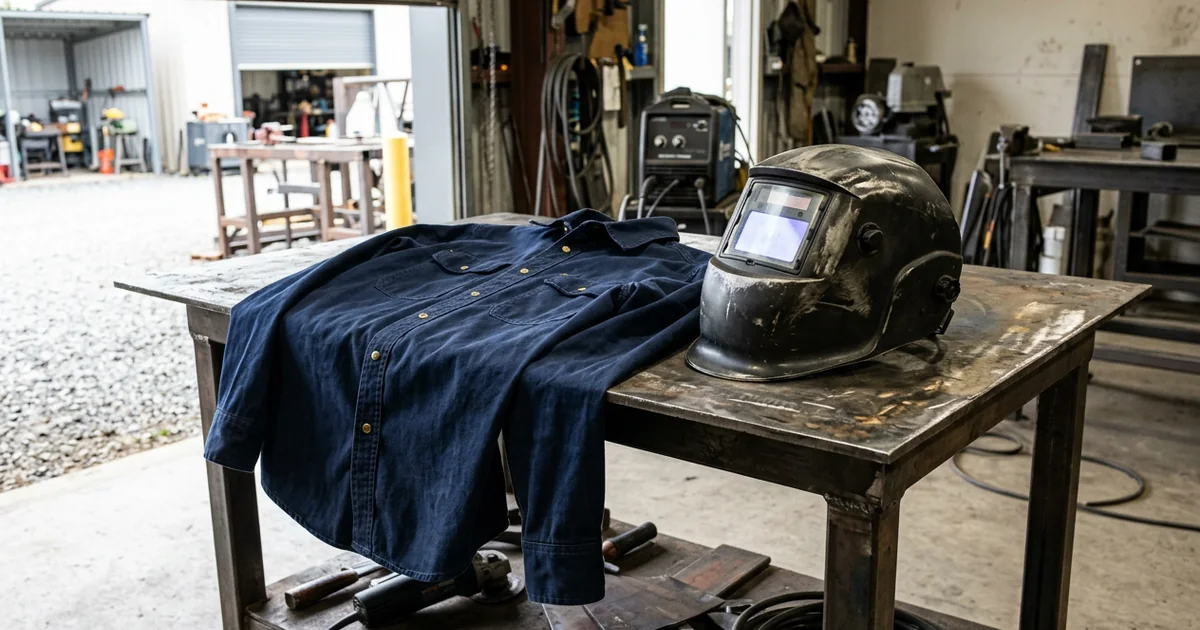
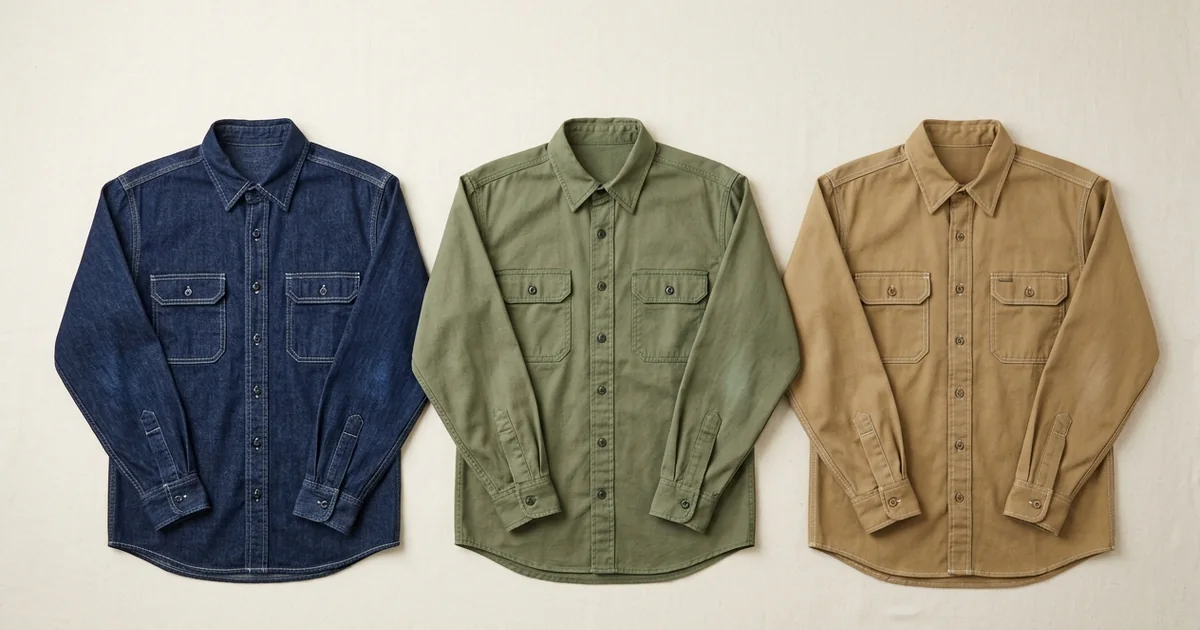
Looking for a Bocomal FR alternative? The best choice depends on why you're switching: for the same cheap-Amazon niche with an actually-published arc rating, Ticomela is the closest swap; for a value-legacy brand with a stated ATPV you can verify, LAPCO; and to step up to a trusted, inherent-fiber name, Carhartt FR or Ariat FR. All of these are, like Bocomal, garments their makers list as NFPA 2112 — the real dividing line isn't "FR vs not," it's how much you can verify. Flame-resistant (FR) clothing is fabric that resists ignition, self-extinguishes, and won't melt onto your skin — it is not "fireproof," and FR alone does not mean arc-rated. Below is each alternative, where it genuinely wins, and the compliant-vs-certified trust point that should drive the decision.
As an Amazon Associate, I earn from qualifying purchases.
Key Takeaways
- Closest cheap-Amazon swap: Ticomela. Same budget lane as Bocomal, treated 100% cotton, but several Ticomela listings publish an actual ATPV (e.g. 8.1 cal/cm² on the 7.5 oz welding shirt) — a spec Bocomal's listings usually don't state.
- Best verifiable value: LAPCO. Its 7 oz FR cotton uniform shirt states ATPV 8.7 cal/cm² (CAT 2) and is UL-classified to NFPA 2112 and ASTM F1506 — a published, checkable spec sheet Bocomal lacks, at a legacy-value price.
- Best trusted step-up: Carhartt FR or Ariat FR. Both use inherent-fiber fabric that can't wash out, with UL-classified NFPA 2112 and (for Ariat) a published arc rating — you pay 2–3× a Bocomal shirt for transparency and FR that lasts.
- The real gap is "compliant" vs "certified." A listing that says "meets NFPA 2112" is a self-claim; a garment that is UL-classified and lists a third-party mark is verified. Read compliant vs certified before you trust any of them.
- FR is not automatically arc-rated. NFPA 2112 covers flash fire; an arc-flash job needs a stated ATPV in cal/cm² (NFPA 70E / ASTM F1506). Confirm the number on the tag, not the title.
Why buyers look past Bocomal in the first place
Bocomal isn't a scam — it's a real budget FR brand whose shirts are listed as NFPA 2112, and I said so in my Bocomal FR review. People go looking for alternatives for three honest reasons: they want it even cheaper, they want a name with a longer track record they can trust, or — the important one — they want a garment whose protection they can actually verify rather than take on marketing faith. Bocomal's weak spot has never been the fabric; it's transparency. Its listings lean on brand claims (its "own factory," "over a decade" in business, "~100 washes") that aren't independently confirmed, and many SKUs don't publish an arc rating at all.
So the useful way to shop alternatives isn't "which brand is best" in the abstract — it's which rung of the value ladder solves your specific gripe. If price is the whole reason you bought Bocomal, another Amazon-native brand keeps you in that lane. If you want a spec sheet you can check, a value-legacy brand gets you there without premium pricing. If you want FR that outlives a treated finish, an inherent-fiber name is the step up. I've ordered the picks below by that logic, not by what pays me — see how I rank in the note at the end.
| Alternative | FR type / fabric / weight | Arc rating (ATPV, if stated) | Where it wins vs Bocomal | Price |
|---|---|---|---|---|
| Ticomela (Amazon) | Treated 100% FR cotton, 7.5 oz (welding shirt) | 8.1 cal/cm² (CAT 2), per listing | Same budget lane, but publishes an ATPV | Budget (Amazon) |
| LAPCO 7 oz Uniform Shirt | Treated 100% FR cotton twill, 7 oz | 8.7 cal/cm² (CAT 2) | Published, UL-classified spec sheet | ~$82 (listing) |
| Carhartt FR Force LS Shirt | Inherent blend (Lenzing FR/aramid), 4.7 oz | — (UL NFPA 2112, CAT 2) | Inherent FR + trusted retail name | ~$125–$135 |
| Ariat FR Air Inherent Shirt | Inherent (Lyocell/modacrylic/aramid), 5 oz | 9.1 cal/cm² (CAT 2) | Inherent, lightest-feel, highest stated ATPV here | ~$150 |
1. Ticomela — the closest cheap-Amazon swap
If you liked Bocomal's price and Amazon convenience but want a listing that actually commits to a number, Ticomela is the most direct alternative. It occupies the same niche — treated 100% FR cotton work and welding shirts sold direct on Amazon at budget prices — but several Ticomela SKUs publish an arc rating on the listing, which is exactly the transparency gap that pushes people off Bocomal. The 7.5 oz navy welding shirt (ASIN B087ZRQJMX) states HRC 2, an ATPV of 8.1 cal/cm², and NFPA 2112 + NFPA 70E, with the listing noting a UL classification on the neck tag and FR buttons and thread. That's a meaningful step: a stated cal/cm² figure you can verify against the tag, in the same price bracket.
The honest caveat is that Ticomela shares Bocomal's core trade-offs. It's treated FR cotton, so the flame resistance is a finish that depends on correct laundering, and it's an Amazon-native import brand with a thin third-party track record — the "20+ years" and "100 washes" language is the brand's own marketing, not verified fact. Treat it exactly like Bocomal: read the sewn-in tag, confirm the NFPA standard and a UL mark, and buy the weight that matches your season. For a fuller breakdown, see my Ticomela FR review.
- Pros: same budget-Amazon niche as Bocomal; several listings publish an actual ATPV (e.g. 8.1 cal/cm²); FR buttons/thread; UL info cited on the tag.
- Cons: treated cotton (FR is a finish that can wash out if mislaundered); Amazon-native import brand with limited third-party track record; verify the cert on the tag yourself.
2. LAPCO — the value-legacy pick with a published spec sheet
This is the alternative I'd point most Bocomal buyers to, because it fixes the exact thing that makes Bocomal uneasy: verifiability, without jumping to premium pricing. LAPCO (Louisiana Protective Apparel) has been making FR workwear since 2001, and its flagship 7 oz 100% FR cotton twill uniform shirt publishes a real spec — ATPV 8.7 cal/cm² (CAT 2), UL-classified to both ASTM F1506 and NFPA 2112, and NFPA 70E compliant. That combination of a stated arc rating and a third-party classification is the "certified" side of the line Bocomal sits on the "compliant" side of.
It's still treated FR cotton, so it carries the same wash-care dependency as Bocomal and Ticomela — the difference is you're buying a documented number instead of a marketing paragraph. Pricing runs around $82 at the listing I checked, more than a Bocomal shirt but well under the inherent-fiber names below, and LAPCO is widely stocked (including through Working Person's Store, the retailer I link). For the full brand picture — pants, coveralls, welding cuts — see my LAPCO FR review, and the head-to-head in Bocomal vs LAPCO.
- Pros: published, UL-classified spec sheet (ATPV 8.7 cal/cm², NFPA 2112, ASTM F1506); real brand track record since 2001; value pricing below inherent names; broadly stocked.
- Cons: treated FR cotton (wash care matters); arc ratings vary SKU-by-SKU across the wider line, so check each garment's label; pricier than a bare-budget Amazon shirt.
Check price at Working Person's Store →
3. Carhartt FR — the trusted mainstream step-up
When a buyer's real gripe is "I want a name I already trust on a jobsite," Carhartt FR is the obvious move up from a no-name Amazon brand. The FR Force loose-fit lightweight long-sleeve shirt (style 104138) is built from an inherent blend — 50% Lenzing FR / 38% aramid / 10% polyamide / 2% anti-stat at 4.7 oz — meets NFPA 70E / ASTM F1506, and is UL-classified to NFPA 2112 at CAT 2. Inherent fiber is the meaningful upgrade: the flame resistance is built into the fabric, so it can't wash out the way a treated finish can, and a 4.7 oz shirt is genuinely light for hot work.
The honest note: Carhartt lists this shirt's UL NFPA 2112 classification and CAT 2 designation, but the specific product page I checked did not publish an ATPV cal/cm² figure, so I won't quote one — if your task carries an arc-flash hazard, confirm the arc rating on the garment tag before relying on it. You're also paying roughly $125–$135, two to three times a Bocomal shirt, for the inherent fabric and the retail trust. That premium is the point of stepping up, not a knock. My Carhartt FR review covers the wider line.
- Pros: inherent FR that won't wash out; trusted mainstream brand and support; lightweight 4.7 oz for hot work; UL-classified NFPA 2112 (CAT 2).
- Cons: 2–3× a budget shirt's price; this SKU's page didn't publish an ATPV number (confirm arc rating on the tag if you need it); premium fabric means you buy fewer.
4. Ariat FR — the best-certified inherent pick
If the reason you're leaving Bocomal is that you want the most transparent, best-documented protection and you're willing to pay for it, Ariat FR is my pick at the top of this ladder. The FR Air Inherent work shirt (style 10040899) is a 5 oz Westex DH Air twill — 47% Lyocell / 38% Modacrylic / 15% Aramid, inherently flame-resistant — with a stated ATPV of 9.1 cal/cm² (CAT 2), NFPA 70E / ASTM F1506 performance, and UL classification to NFPA 2112. That's the full "certified" package: inherent fiber, a published arc rating, and a third-party mark, all on one listing. It's also the lightest-feeling shirt here, which matters for guys tempted to ditch FR in summer heat.
At about $150 it's the priciest option on this list, and that's the trade — you're buying maximum verifiability and inherent-fiber longevity, the opposite end of the ladder from a $40 Amazon shirt. Ariat also sells more affordable FR options (a Working Person's Store–carried 88% cotton / 12% nylon plaid work shirt lists ATPV 8.9 cal/cm² at CAT 2, around $110), so you can meet Ariat's transparency without the top-line price — just note that blended shirt isn't the same all-inherent fabric. My Ariat FR review has the range.
- Pros: inherent FR with the highest stated ATPV here (9.1 cal/cm²); UL-classified NFPA 2112 + ASTM F1506; lightest-feeling fabric; fully documented spec sheet.
- Cons: most expensive pick (~$150); premium is real only if you value inherent longevity + verifiability; cheaper Ariat SKUs use a treated cotton/nylon blend, not the all-inherent DH Air fabric.
Check price at Working Person's Store →
The trust point that should decide it: compliant vs certified
Here's the distinction that actually separates these alternatives, and it's the one most listings blur on purpose. A garment described as "meets NFPA 2112" or "NFPA 2112 compliant" is making a self-claim — the seller is asserting the fabric would pass. A garment that is UL-classified to NFPA 2112 and carries a third-party classification mark has been through independent verification. Both can be honest; only one is checkable. Bocomal and Ticomela lean "compliant" on marketing language with the UL info on the tag; LAPCO, Carhartt, and Ariat state UL classification up front on the listing. None of that tells you a specific garment is fake — it tells you how much homework falls on you. I walk through the exact difference, and how to read a tag, in NFPA 2112 compliant vs certified.
Two more traps worth naming before you buy any of these. First, FR is not automatically arc-rated: NFPA 2112 is a flash-fire standard, and an arc-flash job needs a stated ATPV in cal/cm² under NFPA 70E / ASTM F1506 — a shirt can be NFPA 2112-classified with no arc rating published, so confirm the number if your hazard is electrical. Second, treated vs inherent changes how you own the garment: treated cotton (Bocomal, Ticomela, LAPCO) needs correct wash care to keep its FR, while inherent fiber (Carhartt FR Force, Ariat Air) holds its resistance for the life of the fabric. If any listed shirt's tag is vague or contradicts the listing, that's your signal — see how to spot fake FR clothing.
Frequently Asked Questions
What's the best Bocomal FR alternative?
It depends on your reason for switching. For the same cheap-Amazon lane with a published arc rating, Ticomela is the closest swap. For verifiable value with a UL-classified spec sheet, LAPCO's 7 oz FR cotton shirt states ATPV 8.7 cal/cm². To step up to inherent fiber and a trusted name, Carhartt FR or Ariat FR. All are listed as NFPA 2112; the difference is how much you can verify and whether the fabric is treated or inherent.
Is there a Bocomal alternative that's just as cheap?
Ticomela is the closest match on price and format — treated 100% FR cotton work and welding shirts sold direct on Amazon in the same budget bracket. The advantage over Bocomal is that several Ticomela listings publish an actual ATPV (for example 8.1 cal/cm² on the 7.5 oz welding shirt), which Bocomal's listings often don't. It shares Bocomal's trade-offs: a treated finish and a thin third-party track record, so verify the tag.
Which Bocomal alternative is more trusted or better-certified?
For a value brand with a documented spec sheet, LAPCO publishes ATPV 8.7 cal/cm² and UL classification to NFPA 2112 and ASTM F1506. For a mainstream trusted name with inherent fiber, Carhartt FR's Force shirt is UL-classified NFPA 2112. For the best-documented inherent option, Ariat's FR Air shirt states ATPV 9.1 cal/cm² with UL NFPA 2112. All three sit on the "certified" side by publishing UL classification, unlike a bare "compliant" self-claim.
What's the difference between NFPA 2112 compliant and certified?
"Compliant" or "meets NFPA 2112" is a seller self-claim that the fabric would pass. "UL-classified to NFPA 2112" means an independent third party verified it, and the garment carries that classification mark. Both can be honest, but only certified is independently checkable. When comparing Bocomal alternatives, favor listings that state UL classification and read the sewn-in tag to confirm the standard before you rely on it.
Do these Bocomal alternatives count as arc-rated?
Not automatically. NFPA 2112 covers flash fire; arc-flash protection is a separate arc rating (ATPV in cal/cm²) under NFPA 70E and ASTM F1506. LAPCO (8.7), Ticomela's welding shirt (8.1), and Ariat's Air shirt (9.1) publish an ATPV; Carhartt's Force page listed CAT 2 and UL NFPA 2112 but no cal/cm² figure, so confirm the arc rating on the tag if your job has an electrical hazard.
Why Trust This Guide
This roundup is written and reviewed by Wes Calder, an independent flame-resistant-workwear reviewer. Every recommendation is built on the published standards (NFPA 2112, NFPA 70E, ASTM F1506), manufacturer spec sheets and garment tags, hands-on handling, and what tradespeople actually report — and we tell you when a number is a manufacturer claim versus an independent standard, and when a garment is FR but not arc-rated. We earn an affiliate commission if you buy through some of our links, at no extra cost to you, and we never rank by commission over safety — see our affiliate disclosure.