
Short answer: Carhartt FR is a legitimate NFPA 2112 line worth buying for its durability, its nationwide availability, and a name your safety manager already recognizes — but most of it is treated-cotton FR, so it runs heavier and less breathable than inherent-fiber brands, and Carhartt rarely prints an ATPV cal number on the listing. Buy Carhartt FR for a tough, trusted daily work pant or a hot-weather FR tee; if your job is a high-cal arc-flash task, verify the rating and cross-shop the inherent brands. What is flame-resistant (FR) clothing? Fabric that resists ignition, self-extinguishes, and won't melt onto skin once the ignition source is gone — not "fireproof," and not automatically arc-rated.
Key Takeaways
- It's real NFPA 2112, mostly treated cotton: Carhartt's FR Force tees (6.75 oz, 100% cotton FR jersey) and FR canvas pants (8.5–9 oz) are UL Classified to NFPA 2112 and meet NFPA 70E — but treated cotton is heavier and warmer than inherent aramid.
- Carhartt rarely prints a cal number: across the listings I pulled, the tag names NFPA 2112 and CAT 2, but no garment showed a specific ATPV in cal/cm² — so "CAT 2" is the class, not a measured arc value for your task.
- The Sun Defender is the outlier: at 4.7 oz on a Lenzing-FR/aramid blend it's Carhartt's lightest FR shirt and the only one that also names ASTM F1506 (the arc-clothing standard) on the listing — but it costs $124.99.
- Availability is the real edge: you can walk into a farm store or order same-day almost anywhere in the US, and every buyer already trusts the name — that's worth something inherent-only brands can't always match.
- The FR duck story is shrinking: the heavy 13 oz FR cotton-duck jackets that once carried HRC 4 / ATPV 54.3 cal/cm² are being discontinued at retail — don't count on them being in stock.
Is Carhartt FR actually good, or just a famous name?
Both, honestly. Carhartt has been making workwear since 1889 out of Detroit (it's still family-owned, now headquartered in Dearborn, Michigan), and the FR line is a real, UL-Classified NFPA 2112 program — not a gimmick. Where it genuinely wins is the boring stuff that keeps guys in the same brand for a decade: the pants hold up to abuse, you can buy it almost anywhere in the country same-day, and a superintendent who's never heard of an inherent-fiber startup has heard of Carhartt. For a lot of jobsites, "the safety guy approves it on sight" is a feature.
Where it lags is fabric physics. Most of the Carhartt FR you'll see — the FR Force tees and the FR canvas pants — is treated-cotton FR: cotton (sometimes with a little nylon or spandex) chemically treated to be flame-resistant. Treated cotton is durable and cheaper to make, but it's heavier and traps more heat than an inherent aramid weave, and the FR is engineered into the fabric rather than being the fiber itself. That's the trade every Carhartt FR buyer is really making.
The Carhartt FR lines, and what each is really for
Carhartt's FR range sorts into three practical buckets. Here's how I'd actually assign them.
FR Force tees and shirts — the base layer
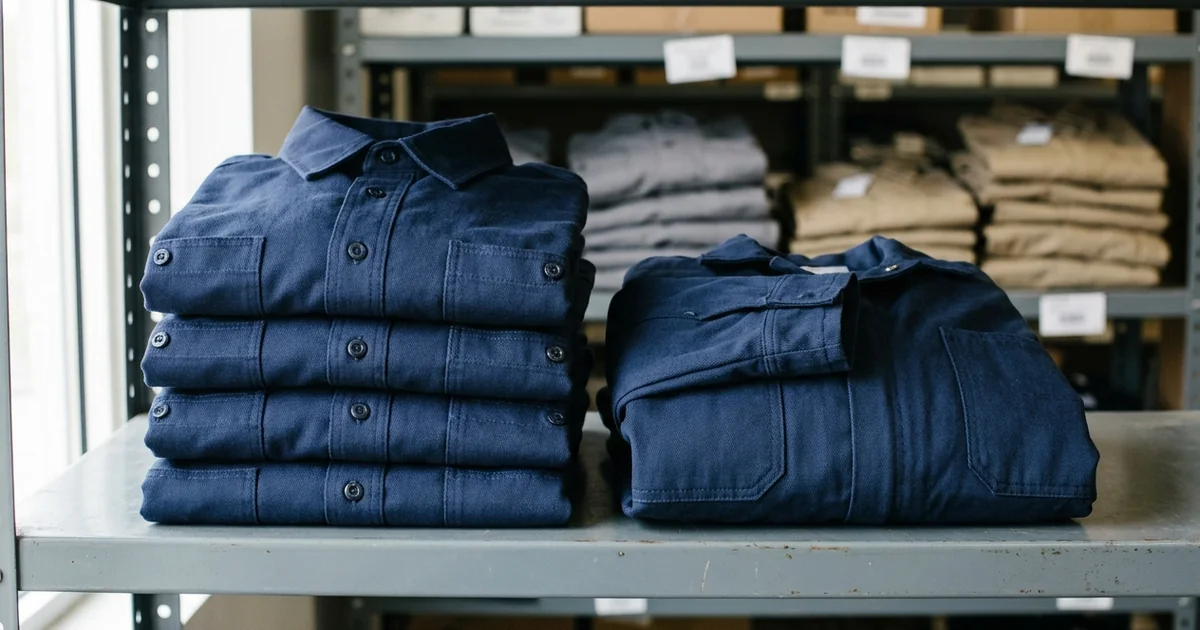
The FR Force Dearborn tees (short- and long-sleeve) are 6.75 oz, 100% cotton FR jersey, UL Classified to NFPA 2112 and meeting NFPA 70E. As FR base layers go they're good: the jersey handles sweat far better than a woven FR shirt in summer, and at 6.75 oz they're substantial without being a sauna. The odd one out is the FR Force Sun Defender long-sleeve — that's a 4.7 oz Lenzing-FR/aramid blend, so it's inherent-leaning, lighter, and the only shirt here whose tag also names ASTM F1506. It's the FR Carhartt shirt I'd wear for welding or oilfield heat, and it's priced like it ($124.99).
- Pros: cotton jersey breathes better than woven FR in heat; the Sun Defender blend is genuinely light (4.7 oz) and names the arc standard.
- Cons: the cotton tees are treated-cotton, so heavier than inherent for the same protection; no printed ATPV on any of them; the Sun Defender is inherent-blend money.
FR canvas / midweight pants — the workhorse
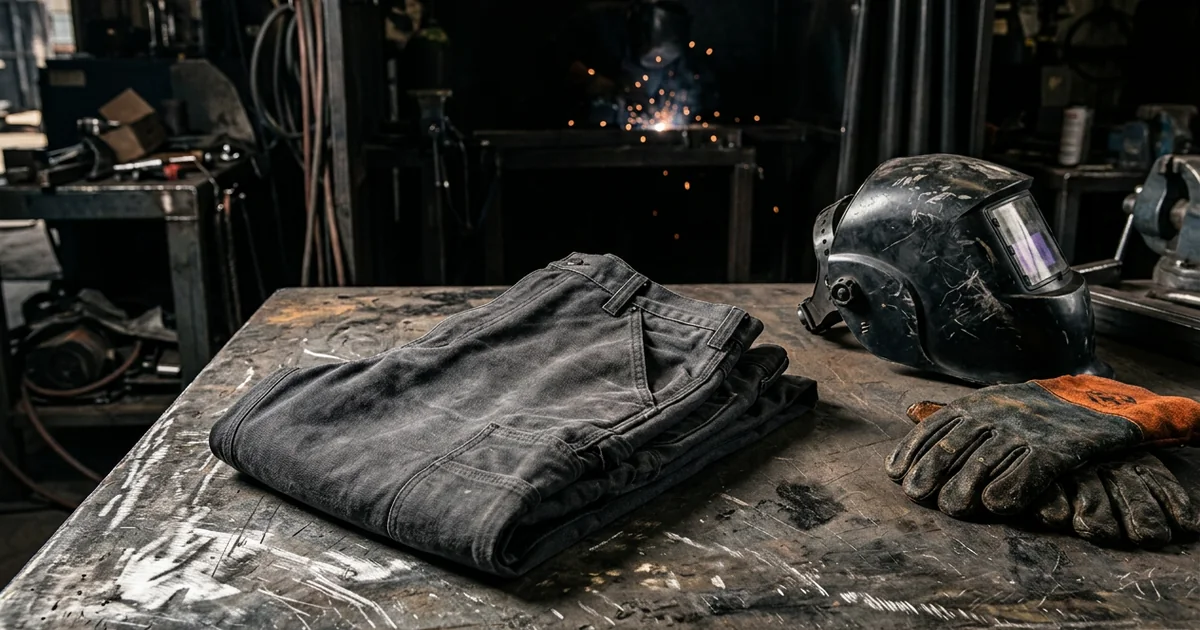
This is Carhartt FR at its best. The FR Midweight Canvas Pant (Loose Fit) is 8.5 oz, 88% cotton / 12% high-tenacity nylon FR canvas, UL Classified to NFPA 2112, with the coin-pocket tag reading NFPA 2112 / CAT 2. The nylon is a durability play, and the loose cut takes a knee pad. If you want stretch, the FR Rigby Cargo (Rugged Flex) is 9 oz, 98% cotton / 2% spandex, same NFPA 2112 / CAT 2 tag. Both are the kind of pant you buy, forget about, and replace two years later because you wore through the knees — not the FR.
- Pros: genuinely tough; the nylon/spandex blends resist blowouts; loose fits are pad-friendly; nationwide availability.
- Cons: 8.5–9 oz runs warm; the plain midweight canvas has no stretch; label says CAT 2 with no printed cal number, so verify the ATPV for an arc task.
FR Duck outerwear — the shrinking heavyweight
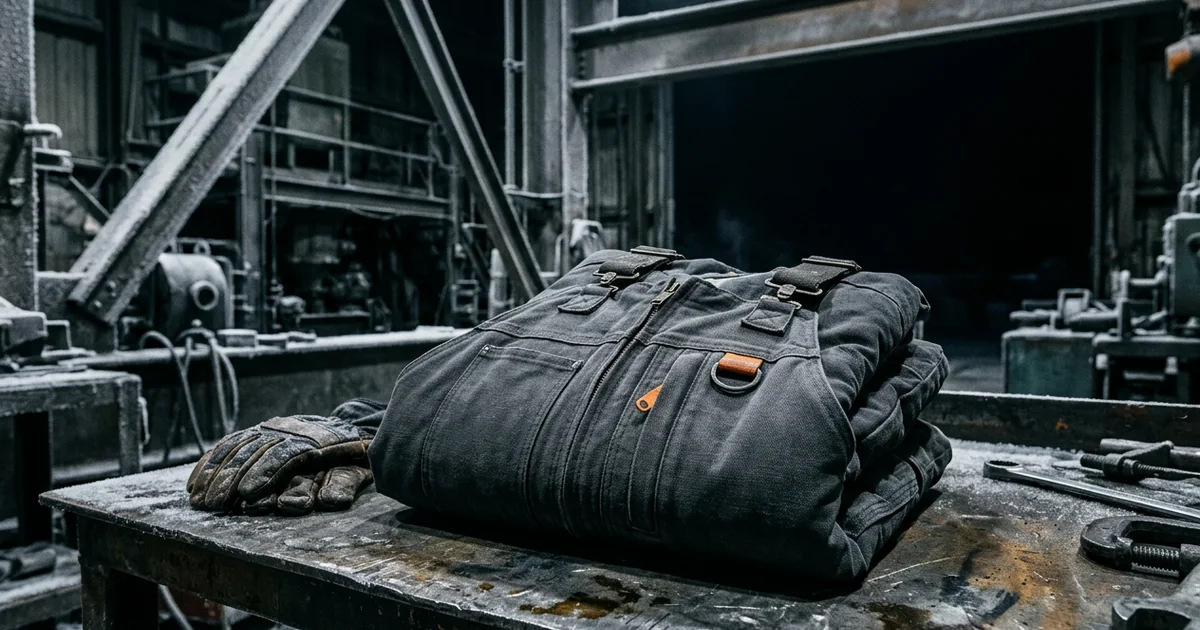
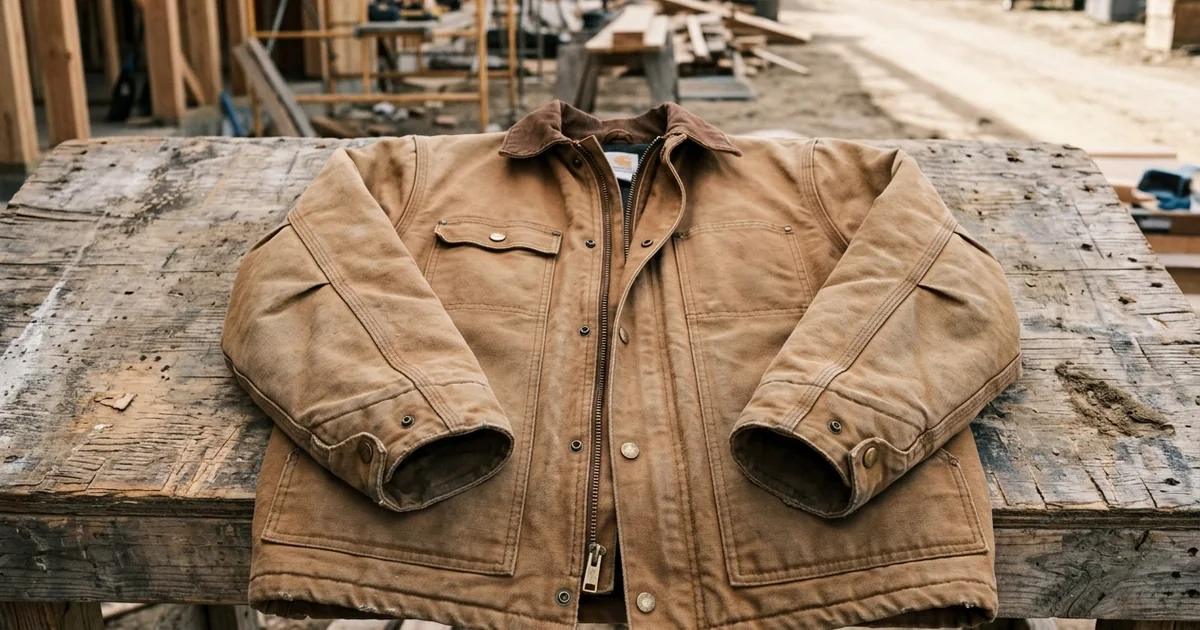
Carhartt's reputation for FR partly rests on the heavy FR cotton-duck jackets. The specific listings I checked — the 101623 FR lined duck bomber and the 101621 FR active jacket at Working Person's Store — are 13 oz, 100% cotton FR duck, UL Classified to NFPA 2112, and were rated HRC 4 with an ATPV of 54.3 cal/cm² on those pages. The problem: both are now marked discontinued by the manufacturer and out of stock, with the retailer steering buyers to an Ariat replacement. So the heavy FR duck jacket is a genuine Carhartt strength that's getting harder to actually buy — I'm not sending you to a dead listing, and I'd cross-shop Ariat FR or Bulwark for an in-stock heavyweight FR coat.
Carhartt FR specs at a glance
| Garment | Fabric / weight | Rating (as listed) | Real-world catch | Price |
|---|---|---|---|---|
| FR Force Dearborn Tee (100234) | 100% cotton FR jersey / 6.75 oz | NFPA 2112 (UL), NFPA 70E — no ATPV printed | Treated cotton; warmer than inherent | $54.74–$62.24 sale (reg $72.99–$82.99) |
| FR Force Sun Defender LS (104138) | Lenzing FR/aramid blend / 4.7 oz | NFPA 2112 (UL), NFPA 70E, ASTM F1506 — no ATPV printed | Inherent-blend price | $124.99 |
| FR Midweight Canvas Pant (FRB159) | 88% cotton / 12% nylon canvas / 8.5 oz | NFPA 2112 (UL), NFPA 70E, CAT 2 label — no ATPV printed | No stretch; runs warm | $104.99 |
| FR Rigby Cargo (Rugged Flex) (104205) | 98% cotton / 2% spandex / 9 oz | NFPA 2112 (UL), NFPA 70E, CAT 2 label — no ATPV printed | Runs warm; slightly less bombproof weave | $134.99 |
| FR Cotton Duck jacket (101621/101623) | 100% cotton FR duck / 13 oz | NFPA 2112 (UL), HRC 4, ATPV 54.3 cal/cm² (per WPS listing) | Discontinued / out of stock at retail | — |
Value vs Bulwark, Ariat FR and LAPCO
Here's the honest positioning. Carhartt FR is not the cheapest FR you can buy, and it's not the most technical — it sits in the middle, and it earns that middle mostly on trust and availability. LAPCO tends to undercut Carhartt on plain FR cotton work pants and shirts, so if budget is the whole story, LAPCO usually wins on price. Bulwark is the industrial-program incumbent with the deepest documented-rating catalog, so if your employer needs paperwork and specific ATPV values on file, Bulwark makes that easier. Ariat FR leans into fit and finish and lighter inherent blends — which is exactly why the discontinued Carhartt FR duck jackets are pointing buyers at Ariat.
So who's Carhartt FR actually for? The tradesman who wants one recognizable brand, tough pants that survive real abuse, and the ability to buy or replace almost anywhere in the country without special-ordering. If you specifically need the lightest breathable inherent FR, or a printed high-cal ATPV, that's where Carhartt's treated-cotton core starts to lag — cross-shop the broader FR brand field before you commit.
The Carhartt FR I'd actually buy
Ranked by protection-per-dollar and how happy you'll be wearing it — not by what pays me.
FR Force Dearborn Tee — best hot-weather FR base layer
The tee I'd default to under a coat or on its own in summer. Cotton jersey moves sweat, 6.75 oz is real protection, and it's the cheapest way into Carhartt FR — often on sale. Just remember it's treated cotton with no printed cal number.
FR Midweight Canvas Pant — best tough daily FR work pant
If you want one Carhartt FR item, make it a pant. The 8.5 oz nylon/cotton canvas is the durability sweet spot and takes a knee pad in the loose fit. It runs warm and has no stretch — buy the Rigby below if you want give.
FR Rigby Cargo (Rugged Flex) — best FR pant for movement
The 2% spandex is the difference between a pant you tolerate and one you forget you're wearing. Same NFPA 2112 / CAT 2 tag as the midweight, at 9 oz, for $30 more. Worth it if you climb, squat, or kneel all day.
FR Force Sun Defender LS — best breathable Carhartt FR shirt
The one Carhartt FR shirt that isn't treated cotton: 4.7 oz Lenzing-FR/aramid, and the only one that also names ASTM F1506. It's what I'd wear for welding or oilfield summer heat. The price ($124.99) is the con — you're paying inherent-blend money.
Frequently Asked Questions
Is Carhartt FR NFPA 2112 certified?
Yes — the Carhartt FR garments I checked are UL Classified to NFPA 2112 and state they meet the performance requirements of NFPA 70E. NFPA 2112 is the flash-fire standard for flame-resistant clothing. Note that most listings name the standard and a CAT level but do not print a specific ATPV in cal/cm², so confirm the arc value if your task requires one.
Is Carhartt FR treated cotton or inherent?
Mostly treated cotton. The FR Force tees are 100% cotton FR jersey and the FR pants are cotton-nylon or cotton-spandex FR canvas — cotton chemically treated to be flame-resistant. The exception is the FR Force Sun Defender shirt, a Lenzing-FR/aramid blend that leans inherent. Treated cotton is durable but heavier and warmer than an inherent aramid weave of the same protection level.
Is Carhartt FR arc-rated?
FR and arc-rated are not the same thing. Carhartt FR meets NFPA 70E (the arc-flash safe-work standard), and the Sun Defender shirt also names ASTM F1506, the arc-clothing standard. But the listings I read didn't print an ATPV cal number for most garments. If you have an arc-flash hazard, you need a garment with a documented arc rating in cal/cm² that matches your incident-energy level — confirm it before you rely on it.
Is Carhartt FR or Ariat FR better?
It depends on what you value. Carhartt FR wins on durability, nationwide availability, and a name every safety manager trusts, and its FR canvas pants are genuinely tough. Ariat FR leans toward lighter inherent blends, fit and finish — notably, Carhartt's own discontinued FR duck jackets now steer buyers to Ariat. If you want the toughest daily FR pant, Carhartt; if you want lighter inherent feel, look at Ariat.
Is there cheaper FR that's just as safe as Carhartt?
Often, yes, on the plain items. Brands like LAPCO frequently undercut Carhartt on basic FR cotton pants and shirts while carrying the same NFPA 2112 classification. "Just as safe" hinges on the same standard and CAT level, not the logo. Carhartt's premium is largely for durability and availability, so if budget rules and you don't need the brand recognition, cross-shop the value FR brands.
Why Trust This Guide
This review is written and reviewed by Wes Calder, an independent flame-resistant-workwear reviewer. Every recommendation is built on the published standards (NFPA 2112, NFPA 70E, ASTM F1506), manufacturer spec sheets and garment tags, hands-on handling, and what tradespeople actually report — and we tell you when a number is a manufacturer claim versus an independent standard, and when a garment is FR but not arc-rated. We earn an affiliate commission if you buy through some of our links, at no extra cost to you, and we never rank by commission over safety — see our affiliate disclosure.