
If your employer just told you to "show up in FR" and you've never bought it before, here's the one-sentence answer: FR (flame-resistant) clothing is fabric that resists catching fire, self-extinguishes when the flame source is removed, and won't melt onto your skin — it is not fireproof. What is FR clothing? It's workwear engineered so that when a flash fire or arc flash hits it, the garment doesn't keep burning or fuse to you the way a regular cotton or synthetic shirt would — buying you the seconds that decide how badly you get hurt. That's the whole job. It is not a forcefield, and the word on the tag matters more than the marketing on the hanger.
Key Takeaways
- FR ≠ fireproof: FR resists ignition and self-extinguishes — it can still char and it still protects best for a limited exposure, not an endless one.
- The hazard decides the standard: NFPA 2112 covers flash-fire garments (oil & gas); NFPA 70E covers arc-flash PPE for electrical work; ASTM F1506 is the fabric/apparel spec for electrical workers.
- "FR" alone may not be enough: all arc-rated clothing is FR, but not all FR is arc-rated. An arc-flash job needs an arc rating in cal/cm², not just the letters "FR."
- Read the tag, not the price: a genuine FR garment names a standard (NFPA 2112 and/or ASTM F1506) and usually a third-party classification. No standard listed and a bargain price is the classic "FR-look" trap.
- Inherent vs treated both count: both can certify to NFPA 2112; the difference is cost, hand-feel, and how the protection holds up — not whether it's "real" FR.
What FR clothing actually does (and what it doesn't)
A regular cotton T-shirt will ignite and keep burning. A polyester one is worse — it melts and drips, and molten synthetic on skin is a burn that doesn't stop when you slap it out. FR fabric is built to do neither. When the flame source is gone, an FR garment stops burning on its own, and it won't melt onto you. That's the entire value proposition, and it's a big one: most serious burns in a flash fire or arc flash aren't from the event itself — they're from your own clothes continuing to burn after it.
Here's the part the catalogs gloss over: FR is not fireproof. Hold a torch to it long enough and it will char and eventually fail. FR is rated for a sudden, short-duration exposure — a flash fire, an arc flash — not for standing in a fire. So the honest mental model is "this gives me a window to get clear," not "this makes me immune." Anyone selling you FR as fireproof either doesn't understand it or is hoping you don't.
Which standard you need depends on your hazard
This is where new buyers get lost, because "FR" is a category, not a single spec. There are three names you'll see, and they answer different questions:
- NFPA 2112 — the flash-fire garment standard, written for oil and gas and other flash-fire hazards. A garment certified to NFPA 2112 has passed manikin-based flash-fire testing (ASTM F1930) and is certified at the garment level — the whole shirt or coverall, not just the cloth.
- NFPA 70E — the electrical-safety-in-the-workplace standard. It doesn't certify a shirt; it defines the arc-flash PPE Categories (CAT 1–4) that tell you how much protection a task requires.
- ASTM F1506 — the FR and arc-rated fabric/apparel spec for electrical workers. If you're doing electrical work, this is the apparel spec your arc-rated clothing is built to.
The short version: if your hazard is a flash fire (oilfield, refinery, petrochemical), you're in NFPA 2112 territory. If your hazard is electrical and arc flash, you're in NFPA 70E / ASTM F1506 territory. Your employer's hazard assessment should tell you which — and if it doesn't, that's a question to ask before you spend a dime, because buying the wrong category is worse than buying nothing, since it gives you false confidence.
"FR" and "arc-rated" are not the same word
This is the single most common mistake I see new buyers make, so I'll say it plainly: all arc-rated clothing is FR, but not all FR is arc-rated. A flash-fire FR coverall can be perfectly legitimate and still carry zero arc rating — because it was never tested or certified for the electrical-arc hazard. If your job involves arc-flash exposure, "it's FR" is not the answer. You need an arc rating, and that's a specific number.
The arc rating is stated in cal/cm² as either an ATPV or an EBT value. When a garment lists both, its rating is the lower of the two — that's the conservative number, and it's the one that counts. Higher cal/cm² means more protection. NFPA 70E ties those numbers to the PPE Categories: CAT 1 needs at least 4 cal/cm², CAT 2 at least 8, CAT 3 at least 25, and CAT 4 at least 40. So when your hazard assessment says "CAT 2," you're shopping for a garment whose arc rating is 8 cal/cm² or higher — not just anything labeled FR.
One bit of vocabulary cleanup, because old-timers and old labels still use the term: "HRC" (Hazard Risk Category) was renamed "PPE Category" / "CAT" in the 2015 edition of NFPA 70E, which also dropped the old HRC 0 and left us with CAT 1–4. If a coworker says "HRC 2" and the tag says "CAT 2," they're talking about the same thing.
Inherent vs. treated FR: both are real
You'll hear that one kind of FR is "real" and the other is "fake." Ignore that — it's usually a brand trying to sell you the more expensive one. Both are legitimate, and both can certify to NFPA 2112.
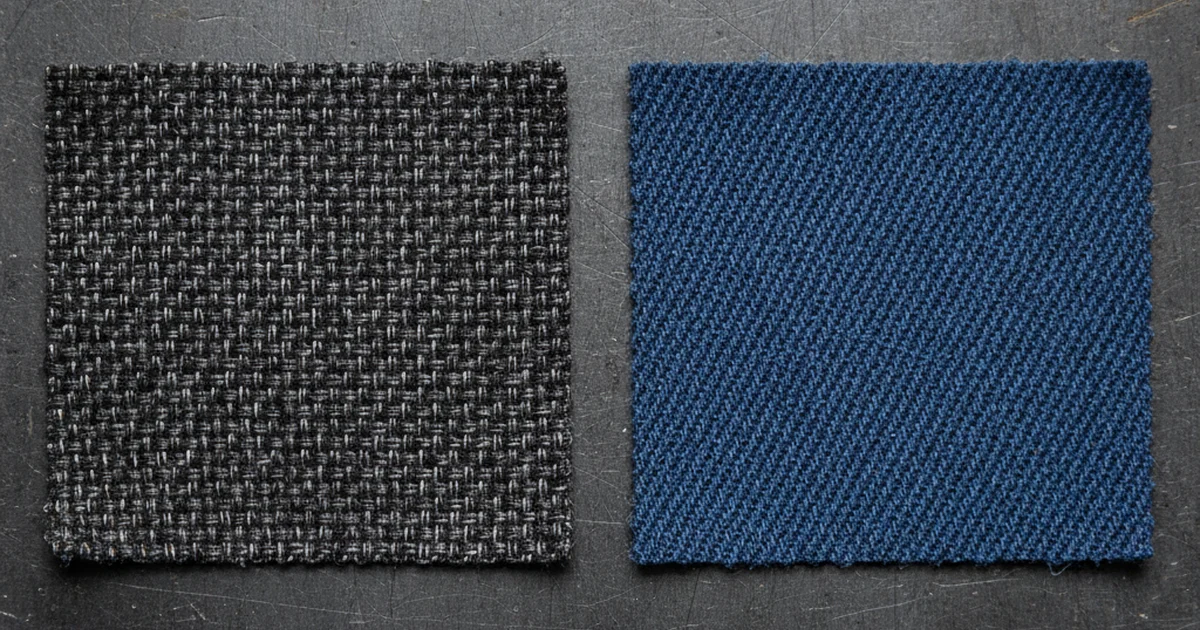
Inherent FR means the fiber itself is flame-resistant — modacrylic, aramid, and the like. The protection is part of the fiber, so it doesn't wash out. Treated FR means an FR chemical finish applied to a fabric like cotton; done right and laundered correctly, that protection lasts the life of the garment. The real trade-offs are cost, hand-feel, and durability — inherent tends to cost more and some people prefer how it wears; treated cotton is often cheaper and feels like the cotton you already know. Neither is automatically safer on paper if both carry the same certification and rating. Buy on certification, rating, fit, and how it'll hold up to your laundry — not on the "inherent vs. treated" argument itself.
How to tell a real FR garment from an "FR-look" one
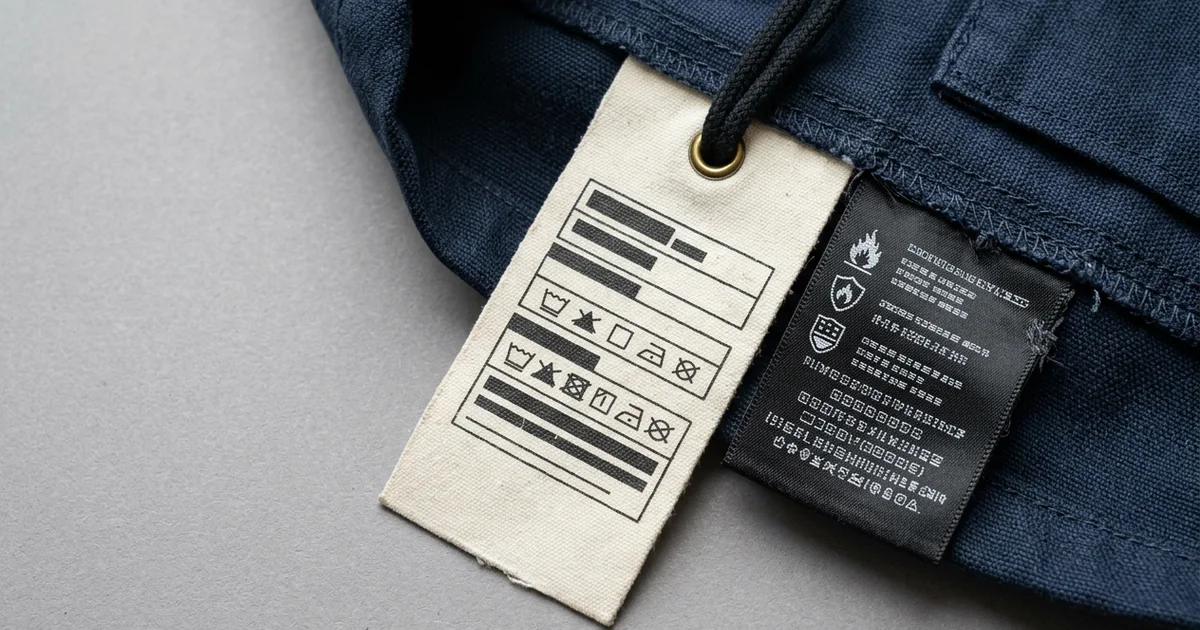
The market is full of garments styled to look like FR that name no standard at all. Here's how to verify before you trust your skin to it: check the tag. A genuine FR garment states the standard it meets — NFPA 2112 and/or ASTM F1506 — and usually carries a third-party or UL classification mark. Where there's an electrical hazard, look for the arc rating in cal/cm² printed on the label. And be openly suspicious of anything that lists no standard, no rating, or sits at a price far below certified FR. A real FR shirt costs what it costs because the testing and certification cost something. If the price looks too good and the tag is silent, you're probably looking at "FR-look," not FR.
Frequently Asked Questions
Is FR clothing fireproof?
No. FR (flame-resistant) clothing resists ignition, self-extinguishes when the flame source is removed, and won't melt onto your skin — but it is not fireproof. It's rated for short, sudden exposures like a flash fire or arc flash, not for prolonged contact with flame. Held to a fire long enough, FR fabric will char and eventually fail.
Is all FR clothing arc-rated?
No. All arc-rated clothing is flame-resistant, but not all FR clothing is arc-rated. A flash-fire FR garment can be legitimate and carry no arc rating at all. If your job has an arc-flash hazard, "FR" alone isn't enough — you need an arc rating in cal/cm² (ATPV or EBT) that matches your NFPA 70E PPE Category.
What standard should my FR clothing meet?
It depends on your hazard. For flash-fire work like oil and gas, look for NFPA 2112 garment certification. For electrical and arc-flash work, you're in NFPA 70E (which defines PPE Categories) and ASTM F1506 (the FR/arc-rated apparel spec). Your employer's hazard assessment should tell you which category applies before you buy.
What do CAT 1 through CAT 4 mean?
They're the arc-flash PPE Categories from NFPA 70E, each with a minimum arc rating in cal/cm²: CAT 1 is at least 4, CAT 2 at least 8, CAT 3 at least 25, and CAT 4 at least 40. The old "HRC" labels were renamed "PPE Category/CAT" in the 2015 edition, which dropped HRC 0 and left CAT 1–4.
How do I know if FR clothing is genuine?
Check the garment tag. A real FR garment names the standard it meets (NFPA 2112 and/or ASTM F1506) and usually carries a third-party or UL classification. Where electrical hazards apply, the arc rating in cal/cm² should be on the label. Be wary of "FR-look" garments that state no standard, no rating, or a price far below certified FR.
Why Trust This Guide
This guide is written and reviewed by Wes Calder, an independent flame-resistant-workwear reviewer. Every recommendation is built on the published standards (NFPA 2112, NFPA 70E, ASTM F1506), manufacturer spec sheets and garment tags, hands-on handling, and what tradespeople actually report — and we tell you when a number is a manufacturer claim versus an independent standard, and when a garment is FR but not arc-rated. We earn an affiliate commission if you buy through some of our links, at no extra cost to you, and we never rank by commission over safety — see our affiliate disclosure.