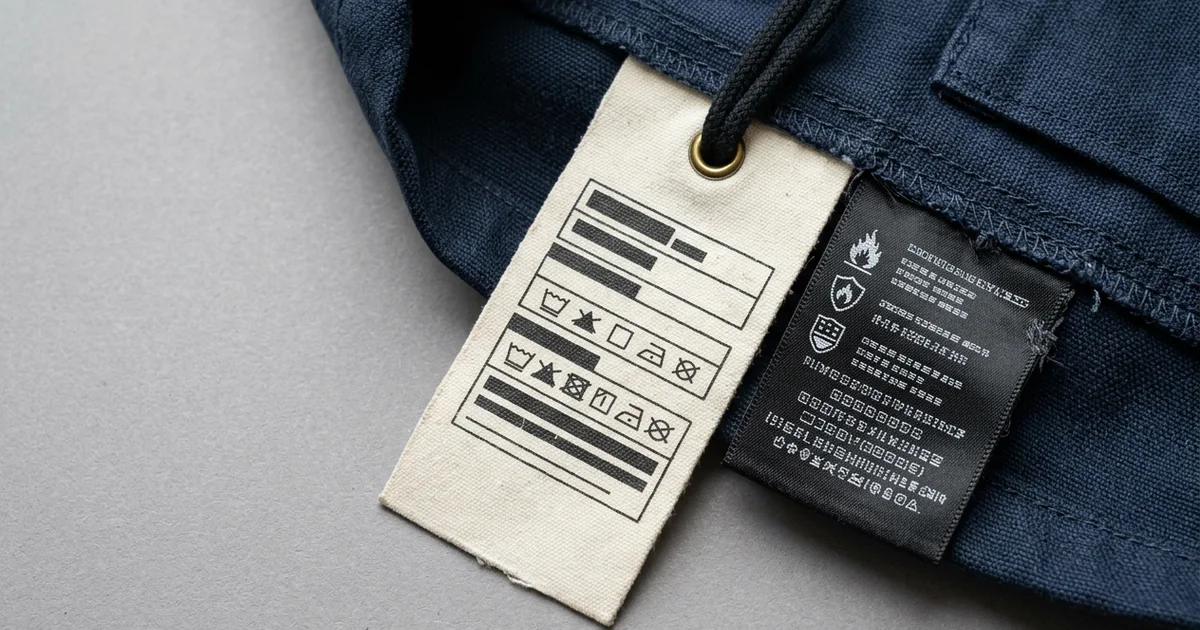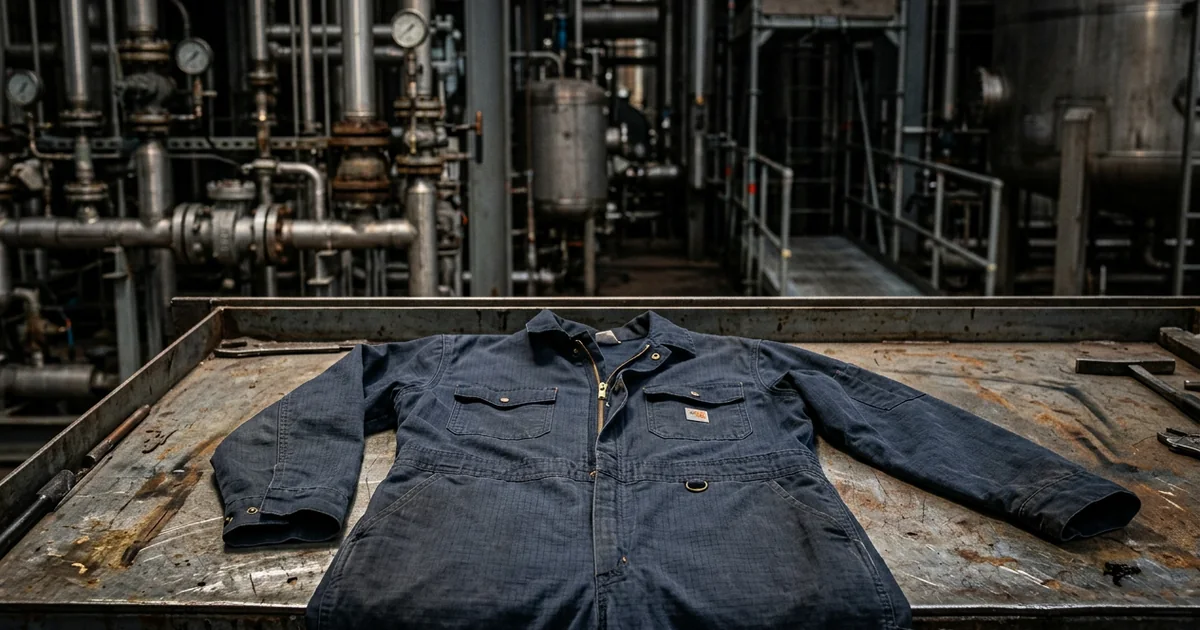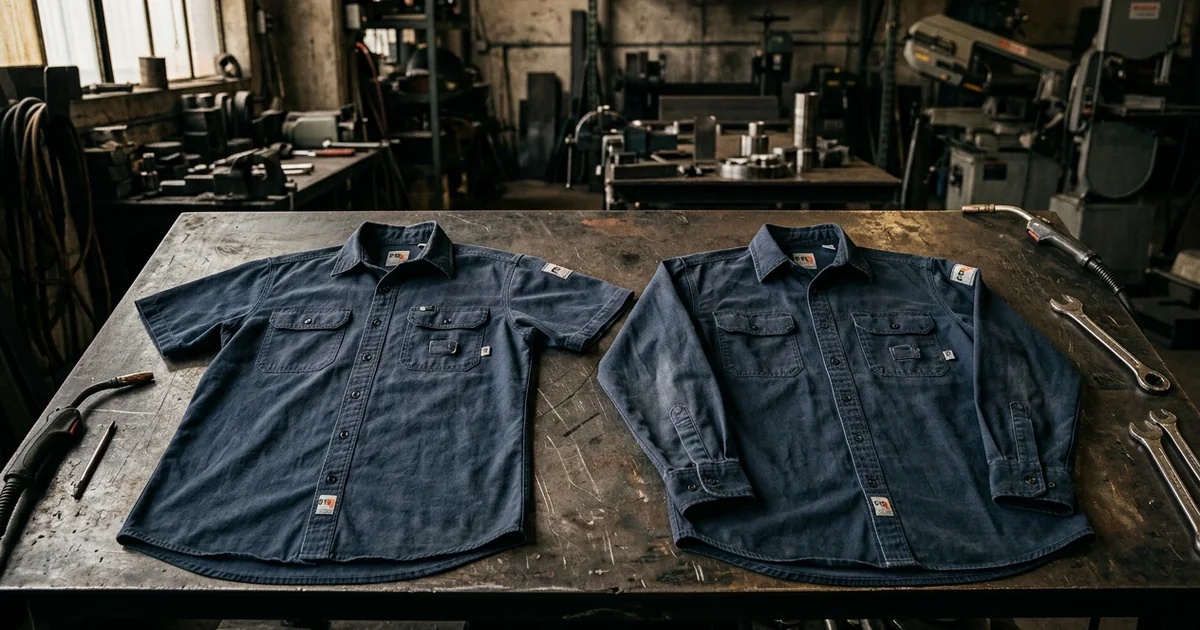

Short version: all arc-rated (AR) clothing is flame-resistant, but not all flame-resistant (FR) clothing is arc-rated. If your job has an arc-flash (electrical) hazard, a garment that just says "FR" is not enough on its own — you need an arc rating, expressed in cal/cm². If your hazard is a flash fire (oil and gas, petrochemical), you're looking at a different standard. The label tells you which hazard a garment was actually tested against — so it's worth two minutes to read it right.
Key Takeaways
- AR is a subset of FR. Every arc-rated garment is flame-resistant; the reverse is not true.
- FR ≠ fireproof. Flame-resistant fabric resists ignition, self-extinguishes, and won't melt onto skin — it does not make you immune to fire.
- An arc rating is a number. ATPV or EBT, in cal/cm² — the garment's arc rating is the lower of the two. Higher = more protection.
- Two NFPA standards, two hazards. NFPA 2112 covers flash fire; NFPA 70E covers electrical arc flash. Match the garment to your hazard.
- PPE Categories set the floor. Under NFPA 70E, CAT 1–4 require a minimum arc rating of 4, 8, 25, and 40 cal/cm² respectively.
What "flame-resistant" actually means
Flame-resistant (FR) fabric is built — or treated — so that it resists igniting, stops burning once the ignition source is gone (it self-extinguishes), and won't melt and drip onto your skin the way a synthetic like untreated polyester can. That's a real, useful property: in a brief fire exposure, FR clothing buys you time and dramatically reduces burn injury. But "flame-resistant" is not "fireproof," and on its own it does not tell you how the garment performs against an electric arc. A shirt can be genuinely FR and still have no arc rating at all.
What "arc-rated" adds
Arc-rated (AR) clothing is FR clothing that has gone a step further: it's been tested against an electric arc and assigned a number. The textile/garment standard for this is ASTM F1506, and the result is an arc rating in cal/cm², reported one of two ways:
- ATPV (Arc Thermal Performance Value) — the incident energy the fabric can take before there's a ~50% chance of a second-degree burn.
- EBT (Energy Breakopen Threshold) — the incident energy at which the fabric breaks open.
A garment's stated arc rating is the lower of its ATPV and EBT. The bigger the number, the more arc energy the garment is rated to handle. Because every arc-tested fabric must first be flame-resistant, AR clothing is always FR — but a plain FR garment that was never arc-tested carries no cal/cm² rating, which is exactly the trap for electrical work.
Flash fire vs arc flash — NFPA 2112 vs NFPA 70E
The two standards people mix up most cover two different hazards:
| Standard | Hazard | Typical worker | What it governs |
|---|---|---|---|
| NFPA 2112 | Short-duration flash fire | Oil & gas, petrochemical | Garment-level certification (flash-fire protection) |
| NFPA 70E | Electrical arc flash | Electricians, linemen, utility | Workplace electrical safety + the arc-rated PPE categories |
So a garment certified to NFPA 2112 is built for a flash fire; an arc rating (under ASTM F1506, organized by NFPA 70E) is built for an arc flash. Some garments carry both — but never assume. Read the label for the hazard you actually face.
The PPE Category (CAT) table
Under NFPA 70E, arc-flash PPE is grouped into Categories, each with a minimum required arc rating. (You'll still hear the old term "HRC / Hazard-Risk Category" — the 2015 edition renamed it to "PPE Category / CAT," and dropped the former HRC 0, leaving CAT 1–4.)
| PPE Category | Minimum arc rating |
|---|---|
| CAT 1 | 4 cal/cm² |
| CAT 2 | 8 cal/cm² |
| CAT 3 | 25 cal/cm² |
| CAT 4 | 40 cal/cm² |
These are minimums. The category your task falls into comes from your employer's arc-flash risk assessment or the equipment's arc-flash label — not from a guess.
So which do you actually need?
Start from the hazard, not the garment. If you work with energized electrical equipment, your job has an arc-flash hazard and you need arc-rated clothing meeting the CAT level set by your site's risk assessment. If you work around hydrocarbon flash-fire risk, you need garments certified to the flash-fire standard your employer specifies (commonly NFPA 2112). Plenty of trades need FR for incidental heat or sparks without a formal arc rating — but if there's an arc-flash hazard, "FR" alone leaves a gap. When in doubt, defer to your employer's PPE program, the equipment's arc-flash label, and the current edition of the relevant standard; never downgrade below what the assessment calls for.
Frequently Asked Questions
Is flame-resistant the same as arc-rated?
No. All arc-rated (AR) clothing is flame-resistant, but not all flame-resistant (FR) clothing is arc-rated. AR clothing has been tested against an electric arc and given a rating in cal/cm²; plain FR clothing may never have been arc-tested. For an arc-flash hazard, you need an arc rating, not just "FR."
What does ATPV mean in cal/cm²?
ATPV (Arc Thermal Performance Value) is the amount of incident electric-arc energy, in calories per square centimeter, a fabric can take before there's roughly a 50% chance of a second-degree burn. A garment's arc rating is the lower of its ATPV and its EBT (Energy Breakopen Threshold). Higher cal/cm² means more protection.
What's the difference between NFPA 2112 and NFPA 70E?
NFPA 2112 is a garment standard for protection against short-duration flash fire (common in oil and gas). NFPA 70E is the workplace electrical-safety standard that covers arc flash and defines the arc-rated PPE categories (CAT 1–4). They address different hazards — match the garment to the hazard your job has.
How many cal/cm² is CAT 2?
Under NFPA 70E, CAT 2 requires a minimum arc rating of 8 cal/cm². The other categories are CAT 1 (4 cal/cm²), CAT 3 (25 cal/cm²), and CAT 4 (40 cal/cm²). These are minimums; your required category comes from your site's arc-flash risk assessment or the equipment's arc-flash label.
Does flame-resistant mean fireproof?
No. Flame-resistant fabric resists ignition, self-extinguishes when the ignition source is removed, and won't melt onto skin, but it is not fireproof and is not a substitute for removing the hazard. It reduces burn injury and buys time in a brief exposure — it does not make you immune to fire.
Why Trust This Guide
This guide is written and reviewed by Wes Calder, an independent flame-resistant-workwear reviewer. Every recommendation is built on the published standards (NFPA 2112, NFPA 70E, ASTM F1506), manufacturer spec sheets and garment tags, hands-on handling, and what tradespeople actually report — and we tell you when a number is a manufacturer claim versus an independent standard, and when a garment is FR but not arc-rated. We earn an affiliate commission if you buy through some of our links, at no extra cost to you, and we never rank by commission over safety — see our affiliate disclosure.