
How long does FR clothing last? There is no fixed answer, and any source that gives you a hard "replace every X months" rule is guessing. Quality arc-rated and flame-resistant clothing has no expiration date and no wash-count expiry — its protective properties last for the useful life of the garment, and retirement is driven by condition, not by age or a number of launderings. You retire an FR garment when it's mechanically damaged past repair, or when it's contaminated with something flammable that won't wash out. What is flame-resistant (FR) clothing? Fabric engineered to resist ignition, self-extinguish, and not melt onto skin — not "fireproof," and not the same as arc-rated unless the tag says so.
Key Takeaways
- No fixed lifespan: Tyndale calls the "set number of washes or months" idea a common misconception — quality FR keeps its protective properties "regardless of the duration of ownership or the frequency of laundering."
- FR doesn't wash out: the flame resistance of a quality garment isn't compromised over time or through repeated washing, as long as you follow the care instructions.
- Retire on condition, not on a date: the real triggers are irreparable mechanical damage and flammable contamination — not a birthday or a wash counter.
- The safety-critical trigger is contamination: petroleum-based soils can mask the flame resistance and become fuel for an ignition source. This is the one to lead with.
- Owner-report month bands exist, but they're estimates: LAPCO's 12–16 month / 18–30 month / 2.5–4 year figures are industry estimates tied to how often you wash, not a hard expiry.
Does FR clothing have a fixed lifespan or expiration date?
No — and this is where most of the thin listicles get it wrong. Tyndale, a major FR program supplier, states it plainly: a common misconception is that AR/FR garments have a set lifespan defined by a specific number of launderings or a certain number of months in service. In reality, modern high-quality FR fabrics maintain their protective properties for the useful life of the garment, "regardless of the duration of ownership or the frequency of laundering." The effectiveness of the flame resistance isn't compromised over time or through repeated washings.
That means you don't pull an FR garment out of service just because it's two years old or hit some wash count. As Tyndale puts it, useful life ends for "purely mechanical — structural — reasons," with no specified number of years or washes attached. The chemistry doesn't wash out if you follow the care instructions — a point I'll come back to, because how you launder is the single biggest lever you control over how long a garment lasts.
One honest caveat on the folklore you'll see repeated online: some pages claim a "faded or illegible care tag" is itself a retirement trigger. I couldn't confirm that with a direct manufacturer standard, so I'd treat a legible tag as ordinary PPE-inspection hygiene — useful for knowing how to wash the garment — rather than a hard retire rule.
When should you retire an FR garment?
Retirement is condition-based. Here's what the manufacturer care libraries actually list as remove-from-service signs, pulled together in one place:
- Flammable contamination that won't wash out — a garment saturated with oil, grease, petroleum, or paint over more than a small area. This is the safety-critical one (see the next section).
- Involvement in a flash fire or other thermal exposure — PK Safety is blunt here: if the garment was in a flash fire or thermal event, "the only safe choice is to dispose of and replace it." Its FR qualities are compromised.
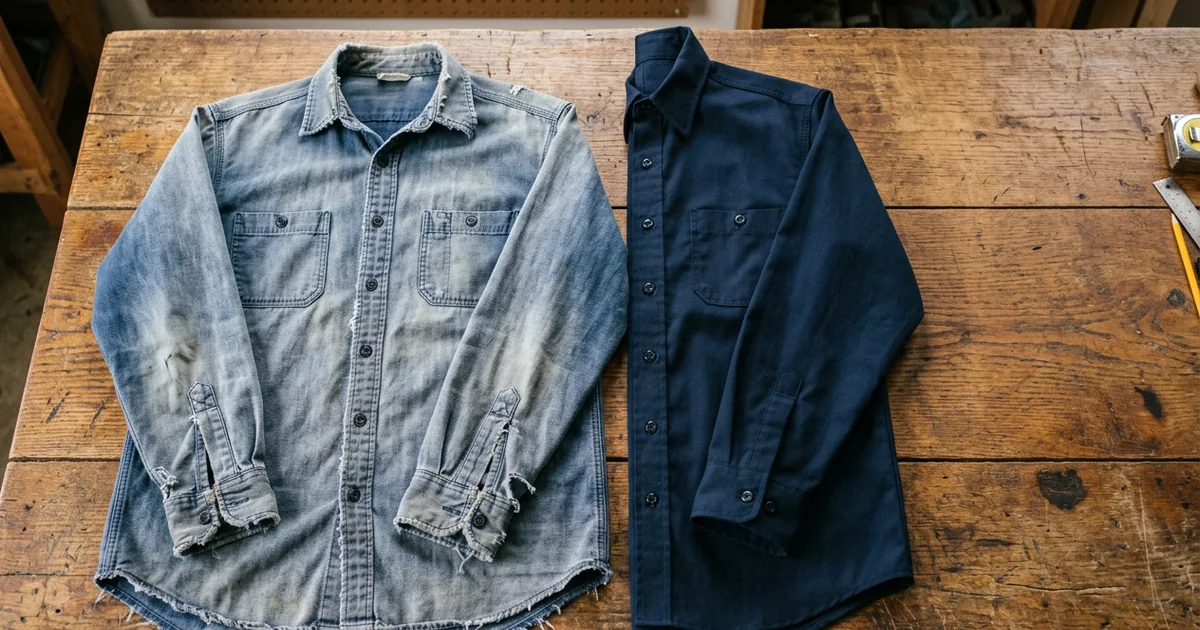
- Structural damage past repair — rips or cuts too large to repair adequately, or multiple holes.
- Worn-through stress points — threadbare or heavily abraded areas at the knees, elbows, collar, or cuffs that are too weak to hold thread or a patch.
- Broken closures — zippers or buttons that no longer function.
- Frayed or open seams, and frayed cuffs or collars that impact performance and can't be adequately repaired.
- Staining beyond your employer's image standard — a corporate-appearance call, not a safety one, but a real reason garments get cycled out.
Notice what's not on that list: age, and a wash count. TenCate, a fabric maker, frames the consequence well — once a garment "has been damaged, it no longer meets safety standards and is no longer certified." Damage and contamination are what void the certification the garment was sold with, not the passage of time.
Why flammable contamination is the trigger to lead with
If you take one thing from this guide, take this. The flame resistance of your clothing does you no good if the clothing itself is soaked in fuel. Bulwark's 2112 guide states that residual soils — "especially those that are petroleum based" — can mask the flame resistance of the fabric and become fuel for an ignition source. Bulwark's remedy: if a garment gives off a petroleum odor, it "should be removed from service for cleaning or replacement."
So contamination is a two-stage decision. Light soiling comes out in a proper warm wash. But a heavy oil, grease, or paint saturation over more than a small percentage of the garment's surface — the kind laundering can't fully remove — is a retire, not a re-wash. GoSafe's care guidance lands in the same place: retire when heavily contaminated with flammable substances that won't come out. A brand-new-looking coverall that's saturated with diesel is more dangerous than an old, clean one.
So how many months does FR clothing actually last?
Condition governs — but buyers still want a planning number, and there's an honest way to give one. LAPCO publishes illustrative "useful life" estimates, and I'll attribute them as exactly that: industry/owner estimates, not a hard expiry. They assume a common setup — 5 uniform sets per employee, laundered weekly, which works out to roughly 50–52 washes a year:
| Fabric type | Estimated useful life | What actually ends it | Source |
|---|---|---|---|
| FR 100% cotton | ~12–16 months | Mechanical wear / condition, not FR loss | LAPCO estimate |
| FR 88/12 cotton-nylon | ~18–30 months | Mechanical wear / condition, not FR loss | LAPCO estimate |
| FR synthetic blends | ~2.5–4 years | Mechanical wear / condition, not FR loss | LAPCO estimate |
| Any FR garment | No fixed expiry | Retire on damage or contamination | Tyndale / Bulwark / TenCate |
Two things to read carefully. First, these bands move with wash frequency: fewer uniform sets means more washes per garment per year, which means they wear out faster. The number is really a proxy for mechanical stress, not a shelf-life clock. Second, don't confuse these with a certification figure. NFPA 2112 certification testing includes flame-resistance retention after laundering (LAPCO references "100 wash cycles") — that's a certification threshold proving the FR survives washing, not a "retire at 100 washes" rule. If anything, it's evidence for the no-wash-out thesis, not against it.
Repair or retire? The decision that saves garments
Plenty of "damaged" garments don't need to hit the trash. Tyndale's worn-out guide is clear that a hole or tear can generally be repaired — "assuming you have the correct FR thread (or patch)." The hard rule: any repair has to be flame-resistant to the original standard. Patch a hole with regular thread or a cotton patch and you've just built a non-FR window into your protection, right where the fabric already failed. Tyndale offers free FR repair as part of its program, which is one reason irreparable-vs-repairable is worth checking before you replace.
The line between repair and retire is whether the fabric can still hold the fix. A single tear in otherwise-sound fabric? Repairable. A knee that's gone threadbare and too weak to hold thread or a patch, or contamination that's soaked in? Retire. When in doubt on a safety garment, retire — a coverall is cheaper than a burn.
How laundering extends (or ends) an FR garment's life
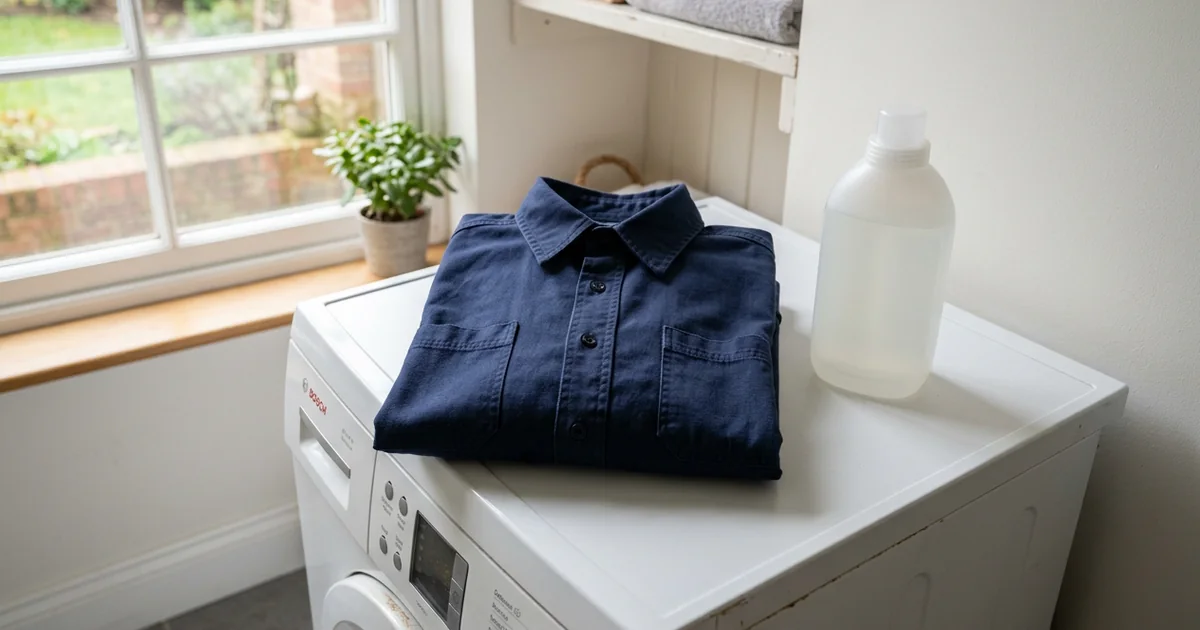
How you wash FR is the biggest lever you have over its useful life, and it's also how you avoid the two things that actually kill protection: fabric degradation and flammable residue. The rules converge across every source I read — Tyndale, Bulwark, GoSafe, TenCate, and PK Safety all say the same core things. I've pulled the do/don't into one table so you're not hunting across five care pages; for the full walkthrough see my guide to washing FR clothing.
| Do | Don't |
|---|---|
| Use a liquid detergent (Tyndale names Liquid Tide / Tide HE) | Chlorine bleach — attacks the FR fibers and permanently destroys their protective qualities |
| Wash warm (GoSafe: max 140F / 60C) to flush contaminants | Hydrogen-peroxide detergents — can reduce the garment's lifespan / FR properties |
| Rinse thoroughly to clear detergent and loosened soils | Fabric softeners — leave a residue that can be flammable |
| Wash FR in its own load, separate from non-FR | Starch and dryer sheets — leave flammable residue on the fabric |
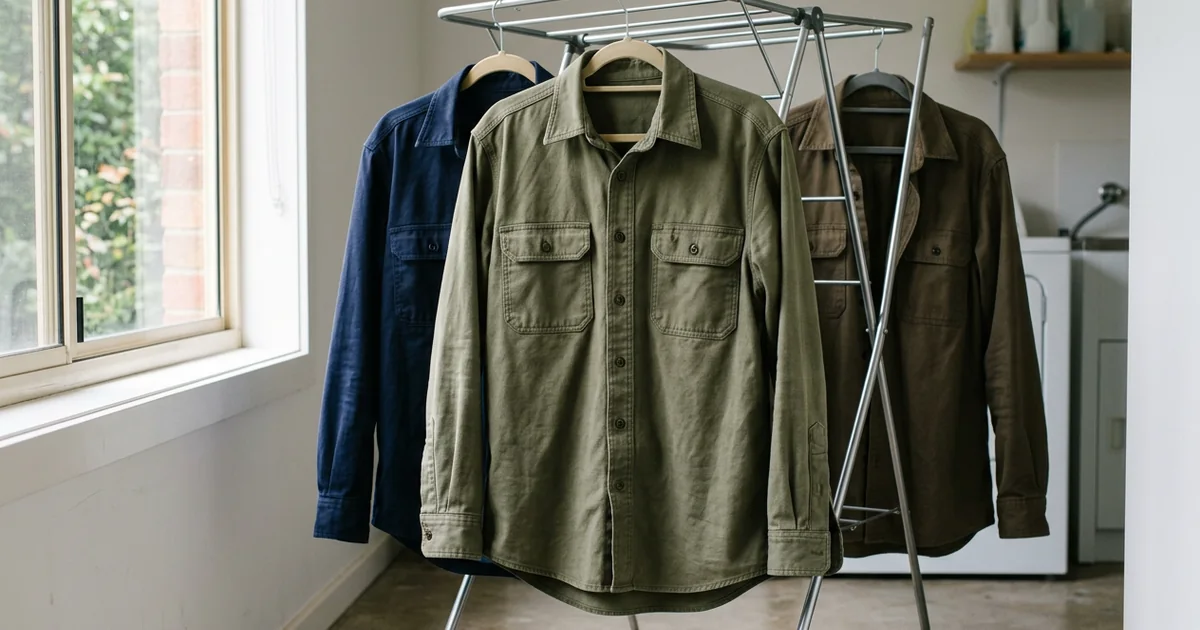
| Line-dry or tumble on low to limit shrinkage | High heat / overdrying — drives avoidable shrinkage |
| Clean after every wearing, per the garment label | Letting soils build up — petroleum residue becomes fuel |
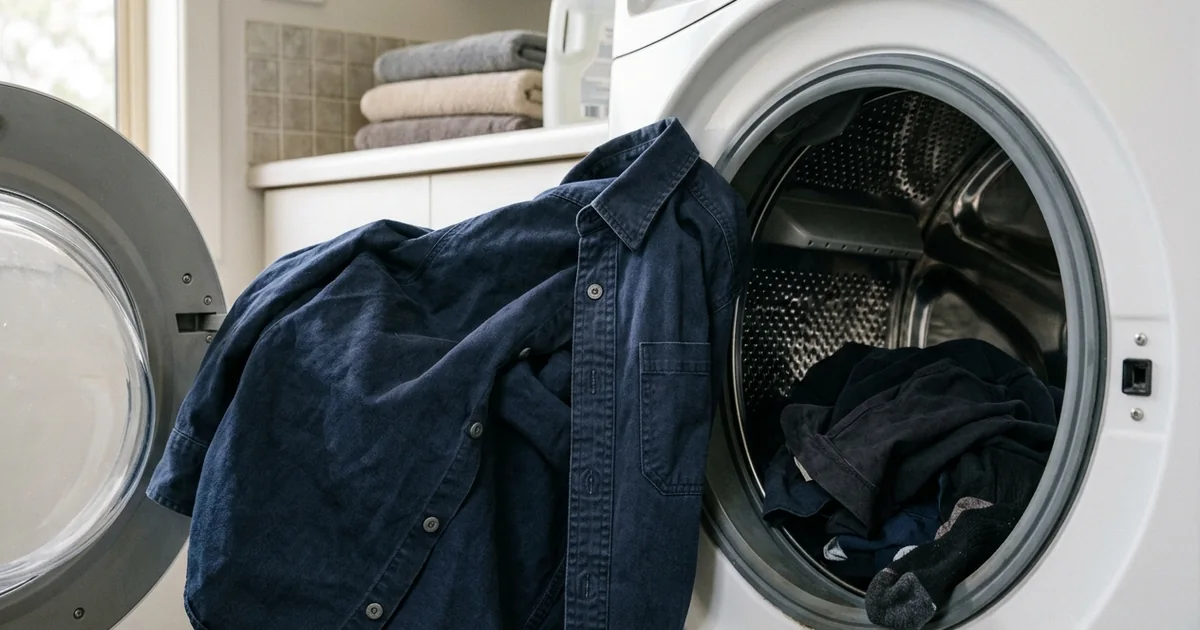
The through-line: do these right and the chemistry doesn't wash out — Tyndale says the flame-resistant properties "cannot be washed out over time if the washing instructions are followed." Get the additives wrong — bleach, softener, starch, dryer sheets — and you can degrade a garment that would otherwise have lasted for years. The laundry room is where FR lifespan is actually won or lost.
Frequently Asked Questions
Does FR clothing expire?
No. Quality FR clothing has no expiration date and no wash-count expiry. Tyndale states its protective properties last for the useful life of the garment "regardless of the duration of ownership or the frequency of laundering." You retire it based on condition — irreparable mechanical damage or flammable contamination — not because it reached a certain age or number of washes.
Does the flame resistance wash out over time?
Not on a quality garment washed correctly. The flame resistance isn't compromised over time or through repeated washings if you follow the care instructions. What does destroy it is using chlorine bleach, hydrogen-peroxide detergents, fabric softeners, starch, or dryer sheets — these attack the fibers or leave a flammable residue. Wash with liquid detergent, warm, in a separate load.
How many months does FR clothing last?
There's no fixed number. As an industry estimate, LAPCO gives roughly 12–16 months for FR 100% cotton, 18–30 months for 88/12 cotton-nylon, and 2.5–4 years for synthetic blends — assuming about 50 washes a year. Treat these as planning estimates tied to wash frequency, not a hard expiry. Condition, not the calendar, decides when a specific garment is done.
Is oil-stained or contaminated FR clothing still safe?
If the contamination won't wash out, no. Petroleum-based soils can mask the flame resistance and become fuel for an ignition source, per Bulwark. Light soiling flushes out in a proper warm wash, but heavy oil, grease, or paint saturation over more than a small area — or a persistent petroleum odor — means the garment should be removed from service for cleaning or replacement.
Should I keep wearing FR clothing after a flash fire?
No. If an FR garment was involved in a flash fire or other thermal exposure, PK Safety says the only safe choice is to dispose of and replace it — its FR qualities are compromised. Even if it looks intact, thermal exposure can degrade the protection, so a garment that has done its job in a real event has earned retirement.
Can I repair a hole in FR clothing?
Usually, yes — if you use the correct FR thread or an FR patch that meets the original standard. A non-FR repair builds an unprotected spot into the garment exactly where it already failed. If the surrounding fabric is threadbare and too weak to hold thread or a patch, it's past repair and should be retired instead.
Why Trust This Guide
This guide is written and reviewed by Wes Calder, an independent flame-resistant-workwear reviewer. Every recommendation is built on the published standards (NFPA 2112, NFPA 70E, ASTM F1506), manufacturer spec sheets and garment tags, hands-on handling, and what tradespeople actually report — and we tell you when a number is a manufacturer claim versus an independent standard, and when a garment is FR but not arc-rated. We earn an affiliate commission if you buy through some of our links, at no extra cost to you, and we never rank by commission over safety — see our affiliate disclosure.