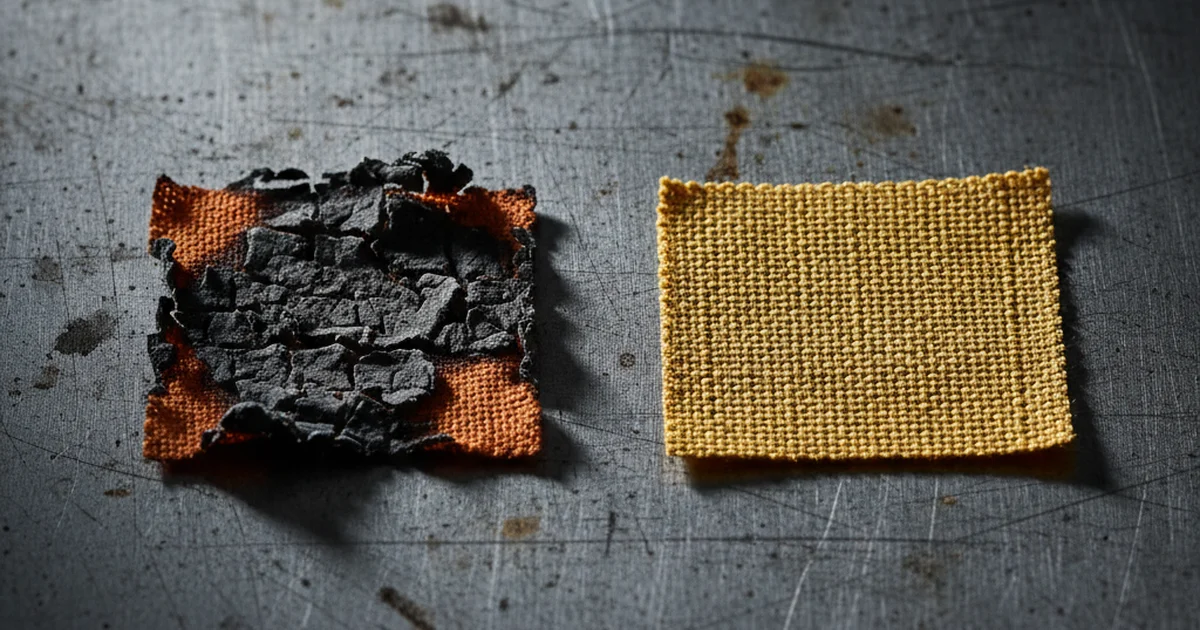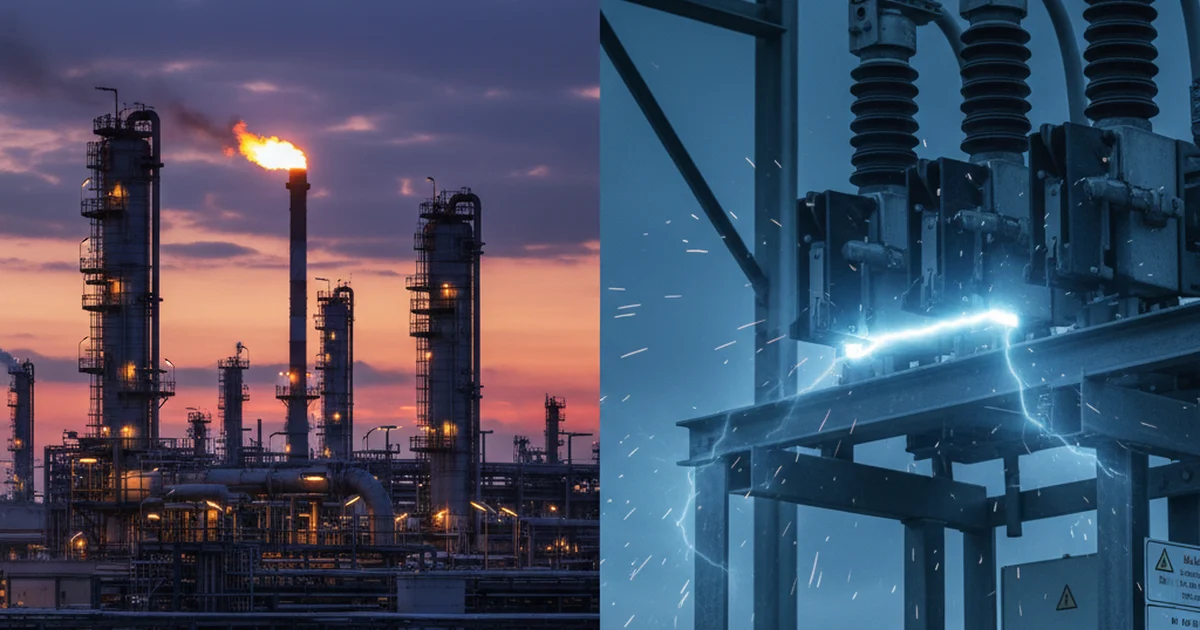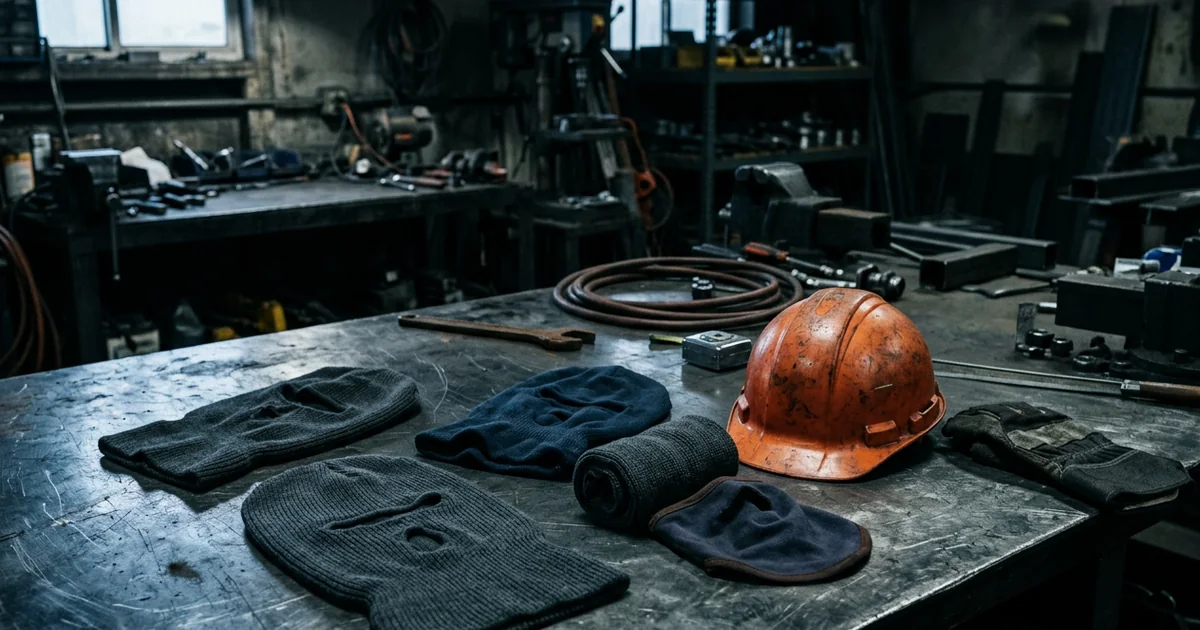

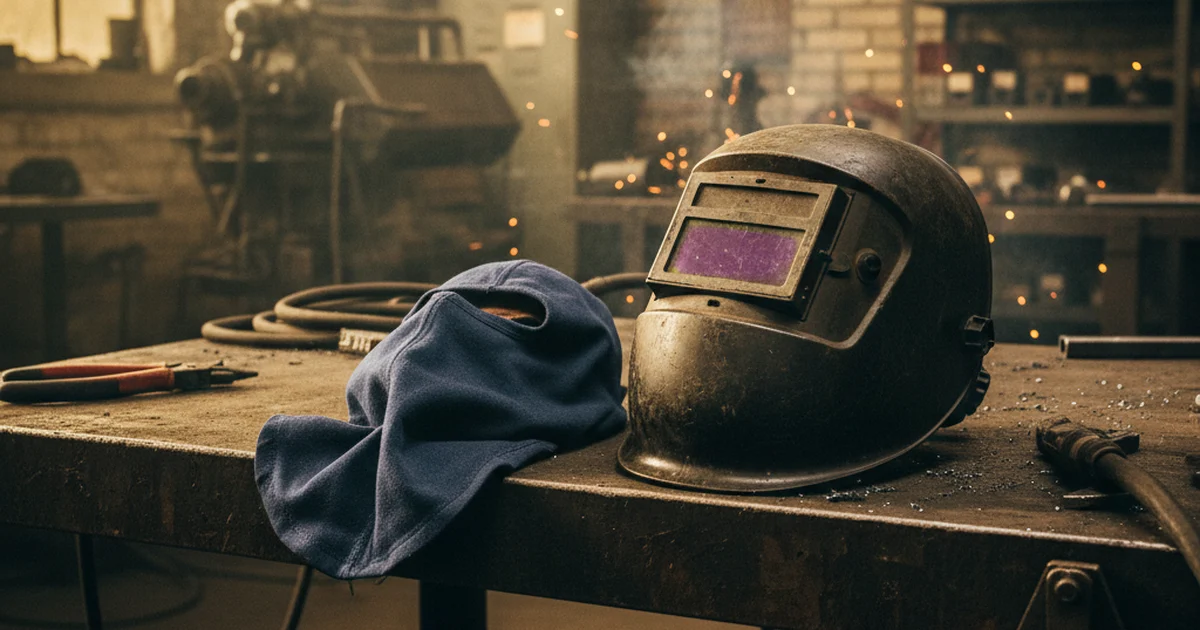
An FR hood is a flame-resistant head-and-neck cover — usually a balaclava-style hood — made from fabric that resists ignition, self-extinguishes, and won't melt onto your skin. That's the whole job: it protects the part of your body a shirt and a helmet leave exposed. What is flame-resistant (FR) clothing? Fabric that resists ignition, self-extinguishes, and won't melt onto skin — not "fireproof." The catch is the one most buyers miss: an FR hood and an arc-rated hood are not automatically the same thing, and which one you need depends entirely on your hazard.
Key Takeaways
- FR ≠ arc-rated: all arc-rated hoods are FR, but not all FR hoods carry an arc rating. If your job has an arc-flash hazard, "FR" alone isn't enough.
- Two different standards: a flash-fire hood is built to the garment standard NFPA 2112; an arc-flash hood needs an arc rating (ATPV or EBT in cal/cm²) under the ASTM F1506 fabric spec, sized to the NFPA 70E PPE Category for the task.
- A balaclava is a shape, not a rating: plenty of balaclavas are ordinary fabric with zero FR protection. The cut doesn't make it safe — the certified fabric does.
- Read the tag, not the look: a genuine FR hood states a standard (NFPA 2112 or ASTM F1506), shows third-party classification, and — for electrical work — a cal/cm² number. No standard on the tag means treat it as unrated.
What an FR hood actually is
An FR hood is a slip-on cover for the head, neck, and often the shoulders, made from flame-resistant fabric. The point is coverage: a hard hat or welding helmet shields the top of your skull, and an FR shirt covers your torso, but the gap around the jaw, neck, and ears is bare skin in a spot that's hard to protect any other way. A flame-resistant hood closes that gap with fabric that won't catch and keep burning.
The "flame-resistant" part is doing the heavy lifting. FR fabric resists ignition, and if it does ignite, it self-extinguishes once the flame source is gone instead of feeding the fire. Just as important, real FR fabric does not melt and drip onto skin — which is exactly what ordinary synthetic gear does in a heat event. One thing to be clear about up front: FR is not fireproof. It buys you time and limits how badly a flash injures you; it is not an invitation to stand in the fire.
FR hoods get made two ways, same as FR shirts. Inherent FR uses fibers that are flame-resistant by their chemistry — modacrylic and aramids like the Kevlar family — so the protection is part of the fiber and does not wash out. Treated FR is a chemical finish applied to a fabric like cotton; done right and laundered correctly, that protection lasts the life of the garment. Both approaches can certify to the standards. For a hood specifically, the practical difference is feel and durability against your face, not whether one is "real FR" — both are.
NFPA 2112 vs arc-rated hood: which one do you need?
This is the question that matters, because "FR hood" covers two different protections built to two different standards. Buying the wrong one is the kind of mistake that doesn't show up until the day you actually need it.
NFPA 2112 is a flash-fire garment standard. It's aimed at hazards like the short-duration fuel fires you see in oil and gas, and certification happens at the garment level using a full-coverage manikin burn test (ASTM F1930). A hood certified to NFPA 2112 is built to survive a flash fire — that's its design case.
An arc-rated hood is a different animal. Arc-flash protection is governed by NFPA 70E, the electrical-safety standard that defines arc-flash PPE Categories (CAT 1 through CAT 4), and by ASTM F1506, the fabric and apparel spec for FR, arc-rated clothing worn by electrical workers. The number that makes a hood "arc-rated" is its arc rating — an ATPV or EBT value expressed in cal/cm². The garment's rating is the lower of those two values, and it tells you how much incident energy the hood can take before the protection runs out.
Here's the rule that catches people: all arc-rated hoods are FR, but not all FR hoods are arc-rated. A hood can be perfectly legitimate FR — certifiable to NFPA 2112, won't melt, self-extinguishes — and still carry no arc rating at all. If your hazard is an electrical arc flash, that hood is the wrong tool. You need a cal/cm² number, and that number has to match the NFPA 70E PPE Category for the task you're doing.
| Question | FR (flash-fire) hood | Arc-rated hood |
|---|---|---|
| Hazard it's for | Flash fire (e.g. oil & gas) | Electrical arc flash |
| Governing standard | NFPA 2112 (garment cert) | NFPA 70E + ASTM F1506 |
| Key number on the tag | NFPA 2112 cert mark | Arc rating in cal/cm² (ATPV or EBT) |
| Is it FR? | Yes | Yes — always |
| Is it arc-rated? | Not necessarily | Yes — that's the point |
Matching an arc-rated hood to your PPE Category
If you do need arc protection, the cal/cm² number isn't a "more is better" bragging stat — it has to clear the PPE Category for the task. Under NFPA 70E, CAT 1 requires gear rated at least 4 cal/cm², CAT 2 at least 8, CAT 3 at least 25, and CAT 4 at least 40 cal/cm². An arc-flash hood's rating has to meet or beat the category the task falls into; an 8 cal hood does not belong on a CAT 3 job.
One terminology note, because it still trips up gear that's been in service a while: the term "HRC" (Hazard Risk Category) was renamed "PPE Category" (CAT) in the 2015 edition of NFPA 70E, and the old HRC 0 level was dropped. If you're reading an older tag or a hand-me-down hood that says "HRC," that's the same idea as today's CAT — just legacy wording. The cal/cm² number is what actually governs.
FR hood vs balaclava: what's the difference?
Short answer: a balaclava is a shape, not a safety rating. The word describes the cut — a snug head cover with an opening for the face. Plenty of balaclavas are ordinary fabric sold for cold weather, motorsport, or general use, with no flame resistance whatsoever. Some of those use regular polyester, which is one of the worst materials you can put near a heat hazard: ordinary polyester melts onto skin and is not FR. A melted-synthetic balaclava in a flash event makes the injury worse, not better.
An FR hood, by contrast, is defined by its certified fabric. It might be cut like a balaclava — many FR hoods are — but the protection comes from the FR fiber or treatment and the standard it certifies to, not from the silhouette. So "FR balaclava" is a fine description as long as the tag backs it up. The trap is assuming any balaclava-shaped cover is protective. It isn't. A motorcycle or ski balaclava off a general-merchandise rack and a certified FR hood can look nearly identical and behave completely differently the moment heat hits them.
This is also where aramids get oversold. Aramids like Kevlar are inherently flame-resistant — they don't melt and they self-extinguish — which is real and useful. But "Kevlar, therefore fireproof" is wrong on two counts: aramid is flame-resistant, not fireproof, and a hood made with aramid still needs the right rating for your specific hazard. Inherent fiber is a property; certification to a standard is what tells you the hood is fit for the job.
How to verify a hood is genuinely FR
Don't trust the look — trust the tag. A genuine FR hood states the standard it's built to and, where relevant, the rating. Specifically, check for three things:
- A stated standard on the tag — NFPA 2112 (for flash fire) or ASTM F1506 (for FR, arc-rated electrical apparel). A hood that names no standard is, for safety purposes, unrated.
- Third-party / UL classification — independent certification, not just the brand's own say-so. Self-asserted "FR" with nothing behind it is exactly the gap you want to avoid.
- A cal/cm² arc rating if you're doing electrical work — the ATPV or EBT number that makes the hood arc-rated under ASTM F1506, sized to your NFPA 70E PPE Category.
And one red flag worth its own line: be wary of an "FR-look" hood that states no standard and no rating, or is priced far below certified FR gear. Real FR fabric and real certification cost money; a balaclava at a fraction of the price, with a vague "fire resistant" label and no standard named, is telling you what it isn't. On a head cover that sits inches from your eyes and airway, that's not the place to gamble.
Once you've got a verified FR hood, keep it that way: avoid chlorine bleach, fabric softener, hydrogen-peroxide bleach, and starch when you launder it, and pull any hood that's saturated with grease or oil out of service — that contamination is a fire hazard no matter how good the base fabric is.
Frequently Asked Questions
Is an FR hood the same as an arc-rated hood?
No. All arc-rated hoods are flame-resistant, but not all FR hoods are arc-rated. An FR hood resists ignition and won't melt; an arc-rated hood adds a measured arc rating in cal/cm² (ATPV or EBT) under ASTM F1506 and NFPA 70E. If your hazard is an electrical arc flash, you need the arc rating — plain FR isn't enough.
Is a balaclava flame-resistant?
Not by default. "Balaclava" describes the shape, not the protection. Many balaclavas are ordinary fabric — some are regular polyester, which melts onto skin and is not FR. A hood is only flame-resistant if it's made from certified FR fabric and states a standard like NFPA 2112 or ASTM F1506 on the tag. Check the label, not the cut.
Which standard should an FR hood meet?
It depends on your hazard. For flash fire (oil and gas), look for NFPA 2112, a garment-level certification. For electrical arc-flash work, look for ASTM F1506 fabric/apparel and an arc rating in cal/cm² that matches the NFPA 70E PPE Category for the task. A hood that names no standard should be treated as unrated.
Is a Kevlar hood fireproof?
No — "fireproof" is the wrong word. Aramids like Kevlar are inherently flame-resistant: they don't melt and they self-extinguish. But flame-resistant is not fireproof, and even an aramid hood needs the right certification and rating for your specific hazard. Inherent fiber is a useful property; certification to a standard is what confirms the hood is fit for the job.
What cal rating does an arc-flash hood need?
The arc rating has to meet or exceed the NFPA 70E PPE Category for your task: CAT 1 needs at least 4 cal/cm², CAT 2 at least 8, CAT 3 at least 25, and CAT 4 at least 40 cal/cm². The garment's rating is the lower of its ATPV and EBT values. Match the hood to the task's category — don't put an 8 cal hood on a CAT 3 job.
Why Trust This Guide
This guide is written and reviewed by Wes Calder, an independent flame-resistant-workwear reviewer. Every recommendation is built on the published standards (NFPA 2112, NFPA 70E, ASTM F1506), manufacturer spec sheets and garment tags, hands-on handling, and what tradespeople actually report — and we tell you when a number is a manufacturer claim versus an independent standard, and when a garment is FR but not arc-rated. We earn an affiliate commission if you buy through some of our links, at no extra cost to you, and we never rank by commission over safety — see our affiliate disclosure.