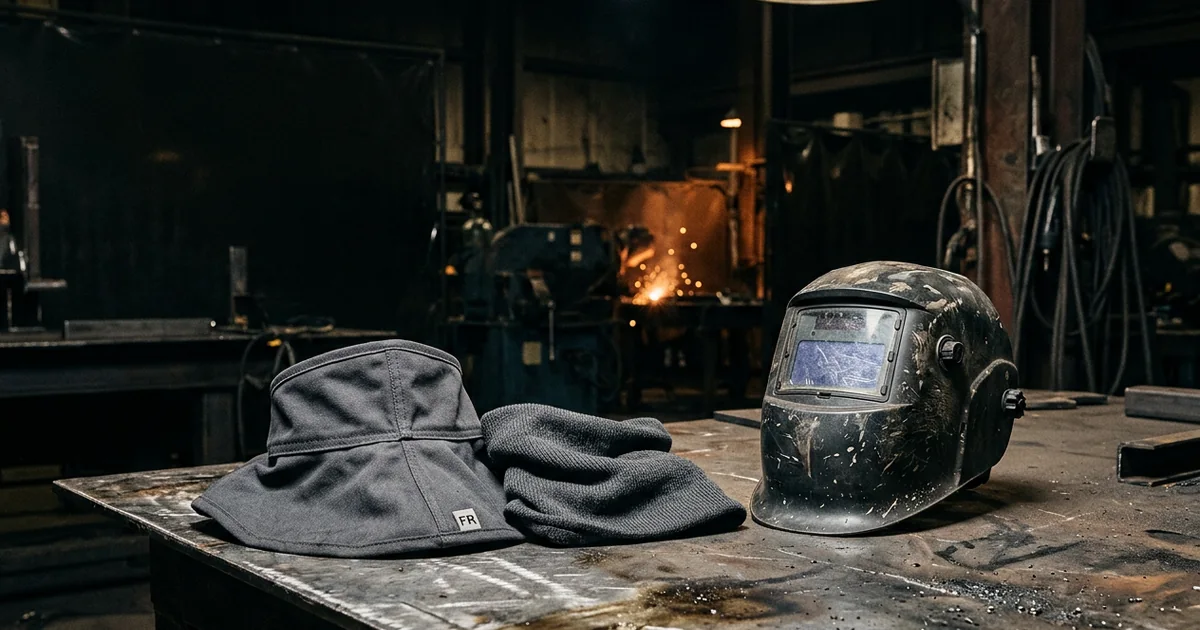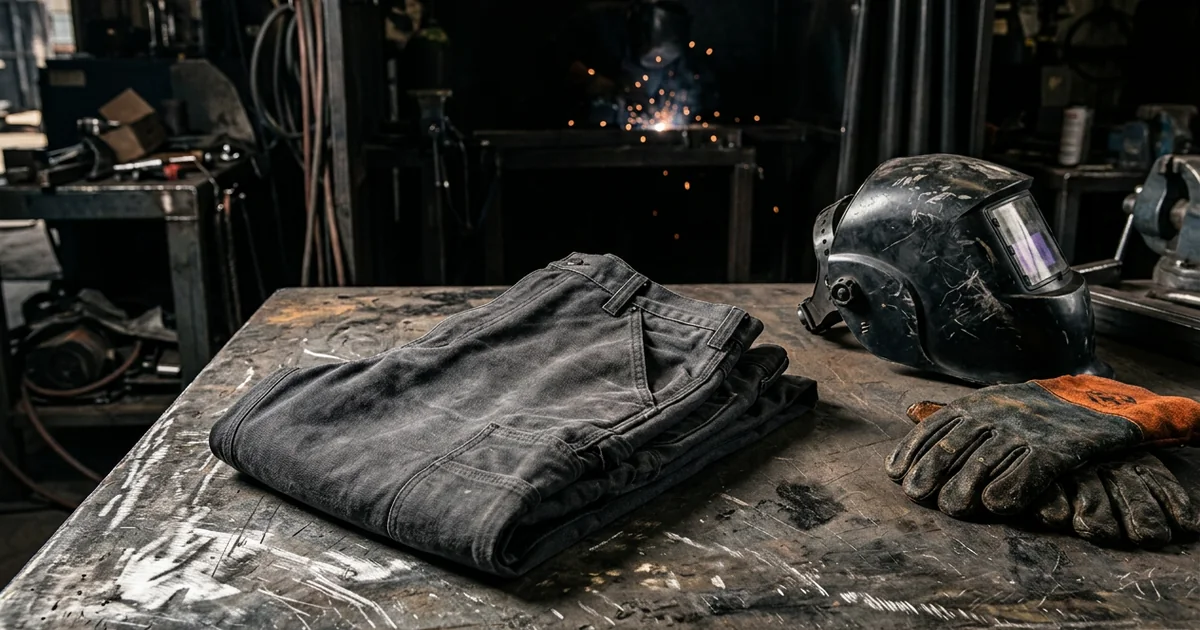
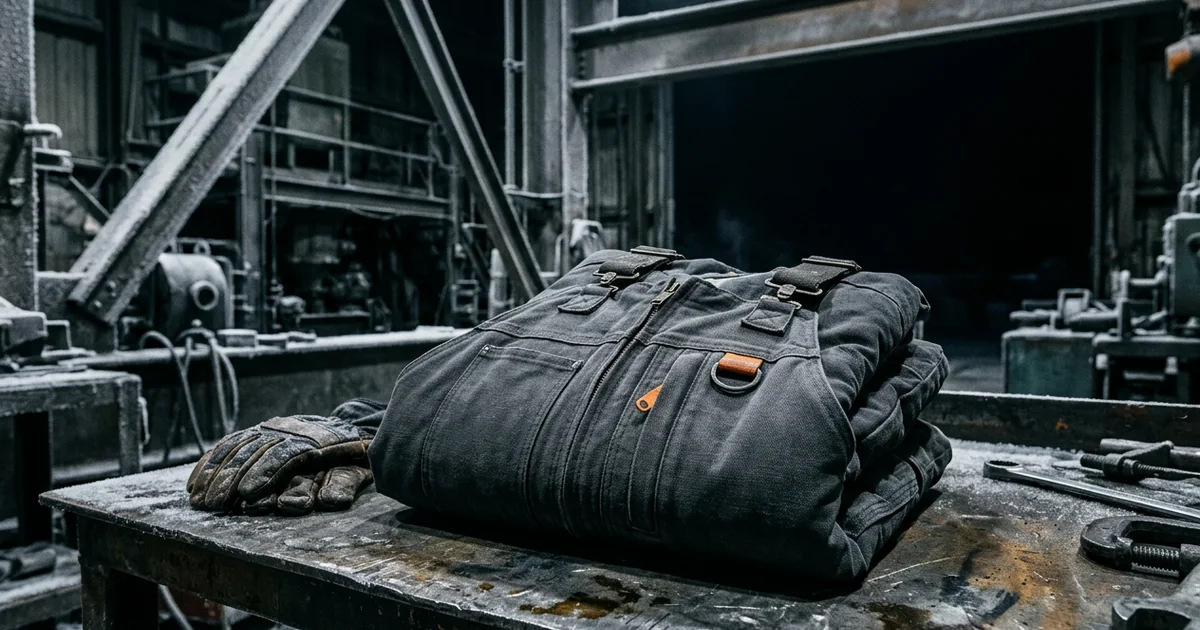
If you want the short answer: my top pick is the Carhartt 101626 Flame Resistant Lined Cotton Duck Bib Overalls — the heaviest duck here (13 oz), lined for cold, and the listing states both NFPA 2112 and NFPA 70E with a CAT 4 rating. But "best" genuinely depends on your hazard. If your job is arc-flash work and you want the highest published arc number, the Ariat Insulated 2.0 wins. If you mostly need flash-fire protection in warm weather and a lower price, the uninsulated Carhartt 101627 is the honest baseline. FR (flame-resistant) clothing is fabric that resists ignition, self-extinguishes once the flame source is removed, and won't melt onto your skin — it is not "fireproof," and it does not make you immune to burns.
Key Takeaways
- NFPA 2112 ≠ arc rating. NFPA 2112 covers flash fire; an arc rating (ATPV in cal/cm²) is a separate measurement that only some of these listings publish. See FR CAT/HRC levels explained before you shop on numbers.
- Insulation matters for cold work. Three of my picks are lined or quilt-lined; the warmest stated insulation here is the Walls modacrylic batting and the Ariat Insulated 2.0.
- I quote only stated specs. Where a listing doesn't publish an ATPV cal/cm² or CAT level, I write "—" rather than borrow a number from another model.
- Match the garment to the rest of your kit. Bibs cover your legs and torso; pair them with FR layers and the right base — our best FR work pants guide covers the standalone-pant route.
- Two picks are discontinued. The Walls and the Carhartt FRR43 listings are currently out of stock; I include them for spec reference, not as buy-now recommendations.
How I ranked these (protection first, not commission)
I ranked these bibs in this order: protection first, then value, then fit and warmth. "Protection" here means what the listing actually documents — fabric weight, stated standards (NFPA 2112 for flash fire, NFPA 70E for arc-flash compliance), and a published arc rating (ATPV in cal/cm² or a CAT/HRC level) where the page gives one. I only quote a spec the listing itself states. Where a listing doesn't publish an ATPV number or a CAT level, you'll see "—" in the table — I won't invent a cal/cm² figure or borrow one model's number for another, because in this category a wrong number is a burn risk, not a typo. None of this is ranked by payout; I earn a commission on some links, but the order reflects what protects you, not what pays me.
| Pick | Fabric / weight | Arc rating (if stated) | Best for | Price |
|---|---|---|---|---|
| 1. Carhartt 101626 (lined) | 13 oz 100% cotton FR duck | CAT 4, CAL 8+ (exact ATPV —) | Heaviest all-round protection | $299.99 |
| 2. Ariat Insulated 2.0 | 11 oz cotton/nylon canvas | CAT 4, ATPV 54 (unit not printed) | Highest stated arc + cold | $369.95 |
| 3. Carhartt 102691 Quick Duck | 8.5 oz 88% cotton / 12% nylon, quilt-lined | — | Lighter insulated mobility | $299.99 |
| 4. Carhartt 101627 (navy) | 13 oz 100% cotton FR duck | ATPV ~16 cal/cm², CAT/HRC 2 | Lower-cost uninsulated baseline | $169.99 |
| 5. Walls FRO93376 | 10 oz 88/12 FR duck + 11 oz modacrylic batting | ATPV 37.5 cal/cm², HRC 3 | Cold-weather value (discontinued) | OOS / discontinued |
| 6. Carhartt FRR43 | 8.5 oz 88/12 FR canvas + 6.5 oz quilt lining | CAT 3, CAL 8+ | Reference only (discontinued) | OOS / discontinued |
1. Carhartt 101626 Lined FR Cotton Duck Bib — best for heaviest all-round protection
This is the pick I'd hand most people who want one bib to cover both flash-fire and cold. It's the heaviest fabric in the lineup at 13 oz 100% cotton duck, it's lined, and the listing states both NFPA 2112 and NFPA 70E. The specs list a CAT 4 rating with CAL "8+," which tells you it clears the CAT 4 threshold — but note the page doesn't print an exact ATPV cal/cm² beyond "8+," so treat the precise arc number as unstated.
- Pros: Heaviest duck here (13 oz); lined for cold; both NFPA 2112 and NFPA 70E stated; CAT 4 rating listed; mid-pack price for an insulated bib.
- Cons: Exact ATPV cal/cm² not stated (only "8+"); inherent-vs-treated not stated; 13 oz duck runs warm and stiff in mild weather.
Check price at Working Person's Store →
2. Ariat Insulated 2.0 FR Bib — best for highest stated arc rating + cold work
If you do arc-flash work and you shop by the published arc number, this is the strongest case here: the listing lists a CAT 4 rating with an ATPV of 54 (the page omits the cal/cm² unit, but 54 clears CAT 4 by a wide margin). It's an insulated 2.0 build in an 11 oz cotton/nylon canvas, so it's aimed squarely at cold conditions. The trade-off is price — at $369.95 it's the most expensive pick in this guide. The listing calls it "permanently flame-resistant" but does not state whether that's inherent or treated.
- Pros: Highest stated arc number here (ATPV 54, CAT 4); both NFPA 2112 and NFPA 70E stated; true insulated build for cold; cotton/nylon canvas is more abrasion-tough than plain cotton.
- Cons: Most expensive pick ($369.95); page omits the cal/cm² unit on the ATPV figure; inherent-vs-treated not stated.
Check price at Working Person's Store →
3. Carhartt 102691 Quick Duck Quilt-Lined Bib — best for lighter insulated mobility
When you want insulation but the 13 oz duck feels like too much, this Quick Duck bib is the lighter route — 8.5 oz of 88% cotton / 12% nylon FR Quick Duck canvas with a quilt lining. The listing states UL classification to NFPA 2112 and that it meets NFPA 70E. What it does not state is any ATPV cal/cm² or CAT level, so I'm not assigning it an arc rating. If your hazard is primarily flash fire and cold rather than a high arc-flash exposure, that may be fine; if you need a documented arc number, look at picks 1, 2, or 4.
- Pros: Lighter and more mobile than 13 oz duck (8.5 oz Quick Duck); quilt-lined for cold; NFPA 2112 (UL classified) and NFPA 70E both stated; nylon blend adds abrasion resistance.
- Cons: No ATPV cal/cm² or CAT level stated; inherent-vs-treated not stated; lighter fabric means less raw thermal mass than the 13 oz picks.
Check price at Working Person's Store →
4. Carhartt 101627 Navy FR Cotton Duck Bib — best lower-cost uninsulated baseline
This is the most transparent listing in the group on arc numbers and the cheapest pick at $169.99. It's a 13 oz 100% cotton FR duck bib, uninsulated, and the page states "HRC 2 with an APTV of 16" — so roughly an ATPV of 16 cal/cm² at CAT/HRC 2, with both NFPA 2112 and NFPA 70E stated. Because there's no lining, treat this as a warm-weather bib or a layering shell, not a cold-work piece.
- Pros: Lowest price here ($169.99); publishes a clear arc number (ATPV ~16 cal/cm², CAT/HRC 2); heavy 13 oz duck; both NFPA 2112 and NFPA 70E stated.
- Cons: No insulation — not for cold without layering; lowest arc number of the picks that publish one; inherent-vs-treated not stated.
Check price at Working Person's Store →
5. Walls FRO93376 Insulated FR Duck Bib — best cold-weather specs (currently discontinued)
On paper this is one of the better cold-weather values in the category: 10 oz 88/12 FR duck over an 11 oz modacrylic batting, with the listing stating an ATPV of 37.5 cal/cm² and HRC 3, plus NFPA 2112. The catch is that the listing is currently out of stock / discontinued, so I can't recommend buying it today — I'm including it so you can see what a strong insulated spec set looks like and use it as a yardstick. Note the page does not mention NFPA 70E.
- Pros: Strong stated arc rating (ATPV 37.5 cal/cm², HRC 3); modacrylic batting insulation for genuine cold; NFPA 2112 stated.
- Cons: Currently out of stock / discontinued; NFPA 70E not mentioned on the page; inherent-vs-treated not explicitly stated.
Check price at Working Person's Store →
6. Carhartt FRR43 Quilt-Lined FR Bib — reference only (currently discontinued)
I'm listing this one last and for reference only. It's an 8.5 oz 88/12 FR canvas with a 6.5 oz quilt lining, and the specs show a CAT 3 rating (CAL 8+) with NFPA 70E compliance. Two things hold it back: the listing does not mention NFPA 2112 (the flash-fire standard), and the item is currently out of stock / discontinued. If you find a similar discontinued FR bib secondhand, confirm the current certifications yourself before trusting it.
- Pros: Quilt-lined for cold; stated CAT 3 / CAL 8+; NFPA 70E compliance stated.
- Cons: NFPA 2112 not mentioned; currently out of stock / discontinued; inherent-vs-treated not stated.
Check price at Working Person's Store →
Does NFPA 2112 mean these bibs are arc-rated?
No — and this is the single most important thing to understand before you buy on specs. NFPA 2112 is a flash-fire standard: it tells you the garment is built to protect against a short-duration flash fire. An arc rating (ATPV, expressed in cal/cm²) is a separate measurement for electric-arc exposure, and NFPA 70E is the workplace standard that ties an arc rating to a CAT/HRC category. A bib can meet NFPA 2112 and still not publish an arc number — that's exactly the case with the Carhartt 102691 in this guide. If your job involves arc-flash risk, you need a stated ATPV or CAT level that meets your site's required incident energy, not just an NFPA 2112 mark. The thresholds, for reference: CAT 1 ≥ 4 cal/cm², CAT 2 ≥ 8, CAT 3 ≥ 25, CAT 4 ≥ 40.
Frequently Asked Questions
Which FR bib is warmest for cold work?
Among these, the Ariat Insulated 2.0 and the Walls FRO93376 (with its 11 oz modacrylic batting) are the dedicated cold-weather builds, with the two Carhartt quilt-lined bibs close behind. The Walls listing is currently discontinued, so for an in-stock cold-weather pick I'd point to the Ariat Insulated 2.0 or the lined Carhartt 101626.
Are all of these FR bibs arc-rated?
No. Only some listings publish an arc rating. The Ariat states ATPV 54 (CAT 4), the Walls states ATPV 37.5 (HRC 3), the Carhartt 101627 states ATPV ~16 (CAT/HRC 2), and the Carhartt 101626 and FRR43 list CAT 4 and CAT 3 respectively. The Carhartt 102691 Quick Duck does not state any ATPV or CAT level.
What's the difference between NFPA 2112 and NFPA 70E?
NFPA 2112 is a flash-fire protection standard; NFPA 70E governs electrical/arc-flash workplace safety and uses arc ratings (cal/cm²) sorted into CAT/HRC categories. A garment can carry one without the other, so check that the listing states the standard your job requires.
Are these inherent or treated FR?
None of the six listings explicitly states whether the FR is inherent or chemically treated. Several use cotton or cotton/nylon duck described as "flame-resistant" or "permanently flame-resistant," but that wording alone doesn't confirm inherent vs treated. If that distinction matters for your laundering or longevity needs, confirm directly with the manufacturer before buying.
What's the most affordable FR bib here?
The Carhartt 101627 at $169.99 is the lowest-priced in-stock pick. It's an uninsulated 13 oz cotton FR duck bib that publishes its arc number (ATPV ~16 cal/cm², CAT/HRC 2) and states both NFPA 2112 and NFPA 70E — a solid warm-weather or layering baseline.
Why Trust This Guide
This guide was written and reviewed by Wes Calder, an independent flame-resistant-workwear reviewer. I rank FR gear by what its listing actually documents — fabric weight, stated standards, and published arc numbers — and I write "—" wherever a spec isn't stated rather than fill the gap with a number borrowed from another garment, because in safety gear a wrong figure is a burn risk. I don't fabricate certifications, ratings, or test data. We earn a commission on some of the links here, but we never rank by commission over safety — see our affiliate disclosure for how that works.