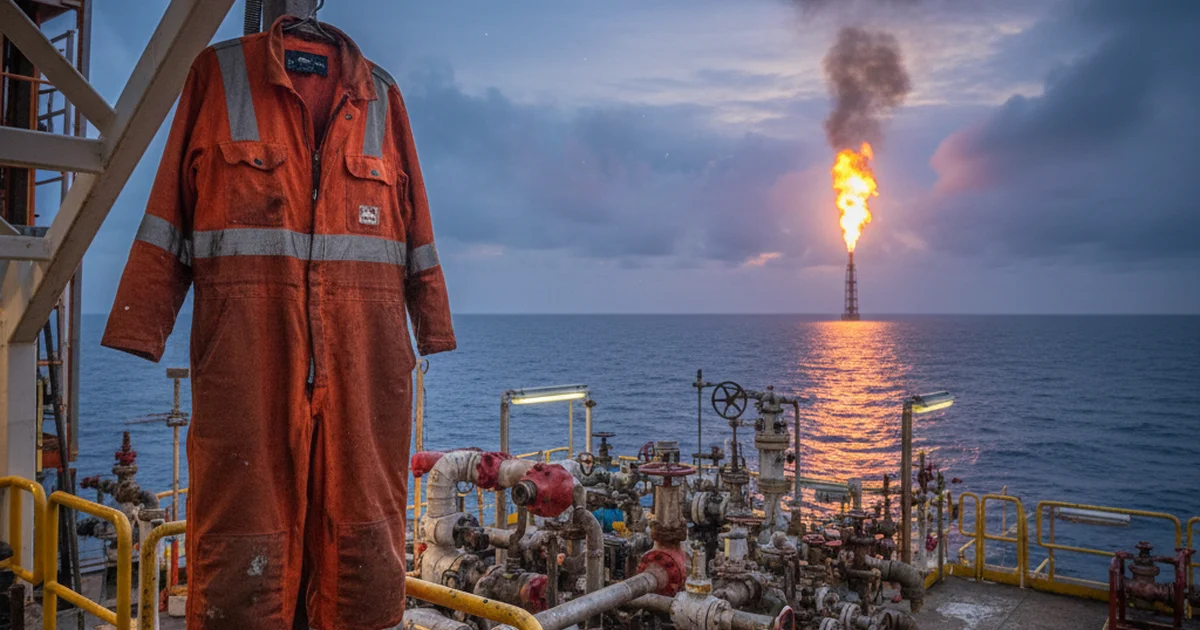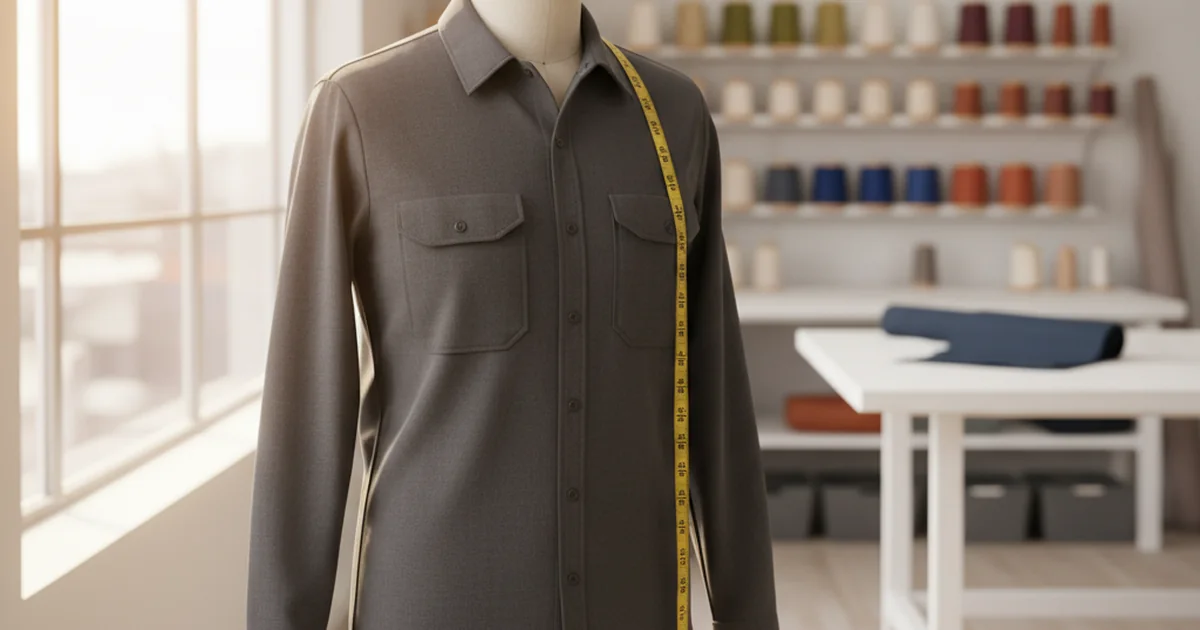
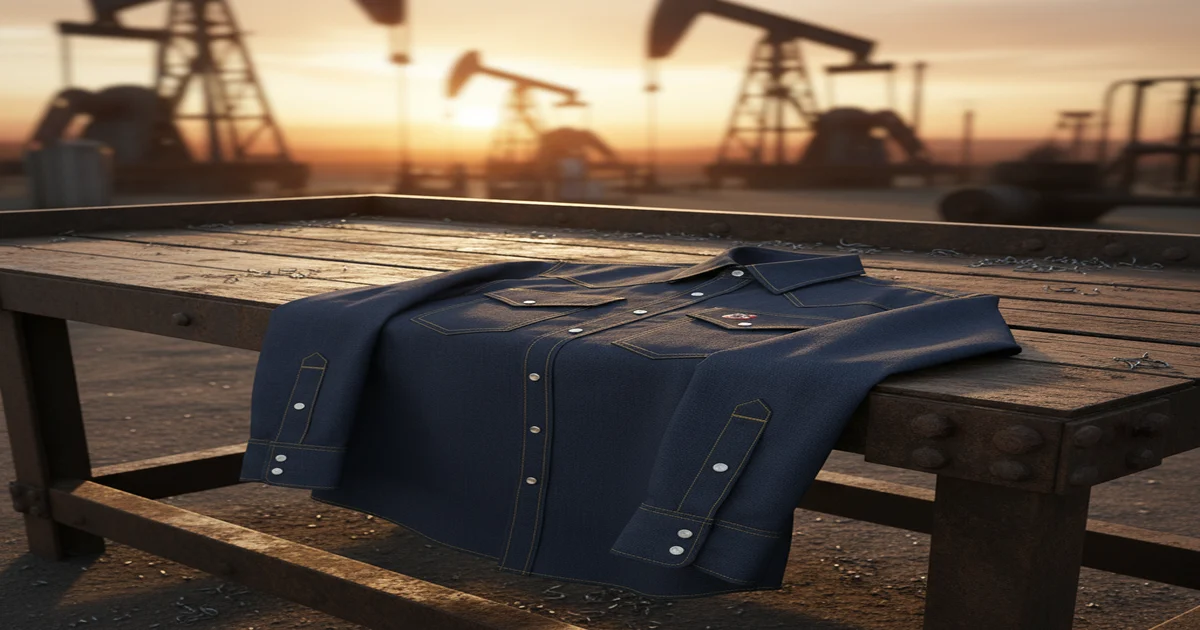
The FR button-up I'd hand a western or oilfield crew that wants a shirt that looks right and still carries real paperwork is the Wrangler FR12127 denim — it has the highest stated arc rating in this set (ATPV 9.3 cal/cm², HRC 2) and full NFPA 2112 / 70E / ASTM F1506 compliance, in a denim cut that reads fine with jeans off the clock. The catch every guy on a lease runs into is exactly that tension: the shirt that looks sharp at the bar Saturday night has to be the same shirt that clears a 2112 audit Monday morning. What is a flame-resistant (FR) shirt? Fabric that resists ignition, self-extinguishes, and won't melt onto your skin — not "fireproof." Below I rank six currently-sold FR button-up and snap-front work shirts on protection, documentation, fit and price, with every spec read off the garment's own listing — and I'm straight with you where a listing doesn't confirm the pearl snaps or the fabric weight.
One honesty note up front: this guide targets FR button-up and snap-front work shirts for the western/oilfield look. The pearl snap itself is a styling-and-function feature — snaps pull apart instead of catching hot metal — but several listings here don't spell out snaps vs. buttons in the spec text. Where I can't confirm the closure from the page, I say so. Check the listing photos if confirmed pearl snaps are your deal-breaker.
Key Takeaways
- Snaps are a real safety feature, not just a look: a snap placket pulls apart if hot metal or a snag catches it, instead of holding the way a button can — which is why oilfield and welding crews favor them. But "FR" and "snap-front" are separate claims from "arc-rated," so check all three.
- The whole-week test: the goal here is a shirt that's rated enough for the jobsite and looks right enough to wear after — the Wrangler FR denim and Riggs twill thread that needle best in this group.
- NFPA 2112 and an arc rating are different numbers: NFPA 2112 is a flash-fire garment certification; an arc rating (ATPV in cal/cm²) is a separate electrical-hazard figure. Most picks here state both; one (Bulwark SEW2) doesn't clearly state 2112 on the page.
- A documented spec beats a vague one: two shirts here don't publish fabric weight in oz, and one doesn't clearly state NFPA 2112 — that's a ranking penalty, because on a regulated lease an undocumented claim is one you can't defend in an audit.
- Best overall: Wrangler FR12127 denim — highest arc rating here (9.3 cal, HRC 2), full standards stack, western look, $85.99.
- Best value: Wrangler Riggs FR3W5 — lowest price in the set ($75.99) with full NFPA 2112 / 70E / ASTM F1506 and Nomex thread in every seam.
What an oilfield and western crew actually wants in an FR shirt
I'll say the quiet part plainly, because it's the whole reason this category exists. A lot of guys on a lease or a ranch want one shirt that does double duty: rated enough to pass the safety meeting and clean enough in the lines to wear into town without changing. That's not vanity — it's how a shirt actually gets worn instead of left in the truck, and a shirt you wear protects you better than the heavier, plainer one you take off. The western cut, the yoke, the pearl snaps — those features are why these shirts stay on people's backs.
But the look can't be the spec. None of these shirts is "fireproof." FR fabric resists ignition and self-extinguishes — it buys you time to react, it doesn't make you spark-proof. So the job here is to find the shirts that earn the look and the rating, and to be honest about where a sharp-looking shirt is thin on documentation. That's the order I worked it: protection and paperwork first, then fit and the western details, then price.
On the snaps specifically: a pearl-snap placket is a genuine welding-and-spatter feature, because snaps pull apart under hot metal instead of catching the way a sewn button can. It's a real reason western FR shirts are popular on a torch crew. The honest complication is that not every product page in this set states whether the closure is snaps or buttons — so I rank on the verified protection specs and flag the closure where the listing is silent.
How I evaluated these — and what to look for
I don't run an arc-flash lab, and I won't pretend to. What I do is read every garment's own listing and tag, cross-check the protection claims against the published standards (NFPA 2112, NFPA 70E, ASTM F1506), and weigh that against what tradespeople actually report living with these shirts. Here's the order I work the criteria — it's also the order I'd want you to think in.
- The right certification for your hazard. NFPA 2112 is the flash-fire garment standard (oil, gas, petrochemical), tested on a thermal manikin per ASTM F1930. An arc rating in cal/cm² is the separate electrical-hazard number. I check which the listing actually claims, because a welder or lineman can't substitute one for the other.
- The arc number, honestly. The garment's arc rating is the lower of its ATPV and EBT (both cal/cm²), and a higher number means more protection. NFPA 70E PPE Category minimums are CAT 1 ≥4, CAT 2 ≥8, CAT 3 ≥25, CAT 4 ≥40 cal/cm². The "HRC" label on older tags was renamed "PPE Category" in 2015 — so HRC 2 and CAT 2 mean the same band.
- Documentation quality. A spec stated on the page outranks a spec that's "probably there." When a listing omits NFPA 2112, fiber content or fabric weight, I dock the shirt and tell you to pull the spec sheet — not because the shirt is unsafe, but because on a regulated lease an undocumented claim is one you can't defend in an audit.
- Inherent vs treated FR. Inherent FR means the fiber itself is flame-resistant (modacrylic, aramid) and can't wash out. Treated FR is a finish on cotton that lasts the garment's useful life if you launder it right. Both certify to NFPA 2112, so this isn't a protection ranking — it's a cost, hand-feel and care-margin call. Most western/oilfield button-ups are treated cotton, and I note it where the listing states it.
- Fit, closure and the western look. Snap plackets that pull apart under hot metal, a long enough tail to stay tucked through a crouch, a cut that doesn't look like a hospital scrub off the clock. These are the details that decide whether the shirt gets worn all week.
- Breathability and weight. Lighter FR cotton (6-7 oz) breathes better for summer heat on the lease; heavier denim runs warm. Weight is the season dial, not a quality grade — and I lean on what owners report, not a fabricated airflow test.
- Care and lifespan. All of these are home-launderable, but FR has rules — no chlorine bleach, no fabric softener, no peroxide, no starch — and grease saturation turns any FR shirt into a fire hazard. A shirt that survives correct laundering protects you in year two, not just on day one.
What I deliberately don't do: invent torture-tests, quote a sample size I didn't run, claim a shirt has snaps when the page doesn't say so, or carry one shirt's arc rating over to another model in the same line. Where a number isn't on the page, you'll see "—" and a note to verify, not a guess dressed up as data.
FR button-up & snap-front shirts compared
| Pick | Fiber / weight | FR type | NFPA 2112 | Arc rating | Real-world catch | Price |
|---|---|---|---|---|---|---|
| Wrangler FR12127 Denim | 100% FR cotton / — | Treated | Yes (stated) | ATPV 9.3 cal, HRC 2 | FR denim runs warm; weight & closure not stated on page | $85.99 |
| Wrangler Riggs FR3W5 | 100% cotton twill, Nomex thread / "Light" | Treated | Yes (stated) | 8.5 cal, HRC 2 | Treated cotton; weight given only as "Light," no oz | $75.99 |
| LAPCO 6 oz 88/12 Uniform | 88/12 cotton-nylon / 6 oz | Treated | Yes (UL) | ATPV 8.8 cal, CAT 2 | Reads "uniform," not western; sold direct, not via WPS | $89.34 |
| Bulwark FR SMU2 | — / — | — | Yes (stated) | ATPV 9.0 cal, HRC 2 | Fiber & oz not on page; priciest here | $95.49 |
| Ariat FR Air Lightweight | Cotton / — | Treated | Yes (stated) | ATPV 8.7 cal, CAT 2 | Weight not stated in oz; treated cotton | $79.95 |
| Bulwark SEW2 (Excel FR) | 100% FR cotton / 7 oz | Treated | — (not on page) | ATPV 7.7 cal, HRC 1 | Lowest arc (HRC 1); NFPA 2112 not stated on page | $61.99 |
A note on reading that table: an "—" is not the same as a zero. It means the spec wasn't stated on the page I fetched, so I won't assert it. For closure (snaps vs. buttons) and fabric weight especially, several of these pages stay quiet — that's exactly why documentation is one of my ranking criteria, not an afterthought. One more option worth naming for shoppers but not ranking: the Carhartt FRS160 FR twill button-up ($84.99, stated NFPA 2112 / 70E, CAT 2) is a trusted-brand pick, but its page lists no fiber content, no fabric weight, and no cal/cm² number — too thin on specs to rank against the documented shirts above.
1. Wrangler FR12127 Denim — best western look with the full paperwork
This is the one I'd put on a crew that wants the western look without giving up the rating. It carries the highest stated arc number in this set — ATPV 9.3 cal/cm², HRC 2 — with the full standards stack: NFPA 2112, NFPA 70E, ASTM F1506, and OSHA 1910.269. That's the complete documentation a safety auditor on an oil-and-gas lease actually wants, wrapped in an FR denim shirt that reads right with jeans and a buckle when you're off the clock.
Who it's for: the oilfield, pipeline or ranch hand who has to clear a 2112-mandated jobsite and wants a shirt that doesn't look like a uniform the moment they leave the gate. The real trade-off: you're buying the top arc rating and the western look in exchange for heat — FR denim is heavier and warmer than a lightweight uniform shirt. The pain it solves: the two-shirt problem, where you keep a rated shirt for work and a "good" shirt for after; this is one shirt that does both. The honest con: two gaps on the page. It doesn't state the fabric weight in oz, so "denim" is your only heat cue, and the spec text doesn't confirm whether this exact model uses snaps or buttons — so if confirmed pearl snaps are the whole point for you, check the listing photos before you buy. This is a cooler-weather and shoulder-season shirt, not a peak-July-on-the-lease shirt.
- Pros: Highest stated arc rating here (9.3 cal, HRC 2); full NFPA 2112 / 70E / ASTM F1506 / OSHA 1910.269 compliance; western denim look that wears off the clock.
- Cons: FR denim runs warm for summer; page doesn't state fabric weight in oz or confirm snap vs. button closure.
Check price at Working Person's Store →
2. Wrangler Riggs FR3W5 — best value button-front
If you want the full standards stack without spending the most, this is the pick. At $75.99 it's the cheapest shirt in this set, and it still brings NFPA 2112, NFPA 70E and ASTM F1506 — plus Nomex FR thread sewn into every seam. That last detail matters more than it sounds: ordinary thread can melt and open a seam in a flash even when the fabric itself holds, so Nomex thread closes a gap that cheaper FR shirts leave. The 100% cotton twill button-front carries an 8.5 cal/cm², HRC 2 rating, which is a solid number for general FR and arc work.
Who it's for: the hand who needs a properly documented FR button-up for daily lease or shop work and doesn't want to pay a premium for a brand-name western cut. The real trade-off: the lowest price and the full cert stack, against treated-FR cotton and a vague weight figure. The pain it solves: the false choice between "cheap FR" and "fully certified FR" — this is both. The honest con: it's treated-FR cotton, so the FR depends on correct laundering over the garment's life rather than being built into the fiber, and the page lists the weight only as "Light" with no oz number, so I can't tell you precisely how it'll feel in peak heat. A workhorse button-front that doesn't cut the corner that matters.
- Pros: Lowest price here ($75.99); full NFPA 2112 / 70E / ASTM F1506 compliance; Nomex FR thread in every seam.
- Cons: Treated-FR cotton (FR depends on correct laundering); weight stated only as "Light," no oz figure.
Check price at Working Person's Store →
3. LAPCO 6 oz 88/12 Uniform Shirt — best lightweight for summer heat
This is the one I'd reach for when the heat is the enemy. At 6 oz in an 88/12 cotton-nylon blend with a moisture-management finish, it's a genuine hot-weather FR button-up — and crucially, the page states everything you need to verify it: 6 oz weight, UL Classified NFPA 2112, ATPV 8.8 cal/cm², CAT 2. That complete documentation is exactly why it outranks a couple of better-looking shirts: I can hand you every number instead of a "—."
Who it's for: the lease hand, fabricator or utility worker who works through summer heat and needs the lightest properly-documented FR button-up they can get. The real trade-off: the best breathability and the best paperwork in this group, against a cut that reads more "company uniform" than "Saturday-night western." The pain it solves: the heavy FR cotton that turns into a sweat box at 100°F and ends up off your back by noon; 6 oz with moisture management is built for the opposite. The honest con: it's sold direct from lapco.com rather than my primary retailer, and at $89.34 it's a touch pricier than the comparable WPS button-ups. The 12% nylon also helps abrasion life, but this is a treated-FR fabric, so launder it correctly. If the look matters more than the heat, the Wrangler shirts above suit the western crowd better — but for breathability with documentation, this is the one.
- Pros: True lightweight 6 oz 88/12 with moisture management; fully documented (UL NFPA 2112, ATPV 8.8 cal, CAT 2); best summer breathability here.
- Cons: Reads "uniform," not western; sold direct from LAPCO (not WPS) and priced a bit higher at $89.34.
4. Bulwark FR SMU2 — best for managed-fleet FR programs
Bulwark is the uniform/fleet FR mainstay, and this shirt brings a strong arc number: ATPV 9.0 cal/cm², HRC 2 — the second-highest in this set — in a "Cool Touch" lightweight construction meant to breathe better than standard FR cotton, with stated NFPA 2112 compliance. If your company runs a managed FR uniform program, Bulwark is the name on most of those contracts for a reason.
Who it's for: the worker on a managed FR fleet, or anyone who wants a strong arc number from the brand their employer already stocks. The real trade-off: a high, well-stated arc rating, against a page that's thin on the rest of the specs. The pain it solves: standardization — if your crew is already in Bulwark, this slots into the rotation without a fight. The honest con: two knocks keep it mid-pack. The page omits the fiber composition and the exact fabric weight, so I can't tell you whether the FR is inherent or treated or what it weighs in oz — which makes it harder to plan a layering system or judge summer heat. And at $95.49 it's the most expensive shirt in this group. Verify fiber and weight before you build around it.
- Pros: Second-highest arc rating here (9.0 cal, HRC 2); stated NFPA 2112; "Cool Touch" lightweight build from a fleet-FR mainstay.
- Cons: Page omits fiber composition and fabric weight; most expensive shirt here at $95.49.
Check price at Working Person's Store →
5. Ariat FR Air Lightweight — best for the Ariat-loyal crew
Ariat's "FR Air" line is built for hot-weather work, and this lightweight button-up carries a stated ATPV of 8.7 cal/cm² (CAT 2) with NFPA 2112 / 70E compliance at a moderate $79.95. For the oilfield and ranch crews who already live in Ariat boots and want the shirt to match the brand, it's an easy add to the rotation that won't bake you in summer.
Who it's for: the Ariat-loyal worker who wants a lightweight, summer-friendly FR button-up from a brand they already trust head-to-toe. The real trade-off: a documented arc rating and a hot-weather build, against a "lightweight" claim I can't put a number to. The pain it solves: the heavy FR shirt that comes off by mid-morning in the heat — "FR Air" is engineered to stay on. The honest con: the WPS page doesn't state the fabric weight in oz, so "lightweight" is the manufacturer's word, not a figure I can verify for you; and the page describes it as cotton, which is a treated FR fabric — its FR lives in the finish, so correct laundering over the garment's life is what keeps it protective. A good summer button-up if the brand match matters; the LAPCO above edges it on documentation.
- Pros: Lightweight, summer-oriented build; stated ATPV 8.7 cal, CAT 2 with NFPA 2112 / 70E; moderate $79.95 price.
- Cons: Fabric weight not stated in oz; treated-FR cotton (FR depends on correct laundering).
Check price at Working Person's Store →
6. Bulwark SEW2 (Excel FR) — budget pick, but confirm the cert and the category
I'm ranking this last on purpose, and the reason is documentation and protection level, not build quality. It's a 7 oz all-cotton Excel FR ComforTouch uniform shirt at $61.99 — the lowest price in this set — with a stated ATPV of 7.7 cal/cm². As a plain, well-made FR work shirt, it's fine.
Who it's for: the buyer who needs the cheapest entry into a known FR brand and is willing to do the spec-sheet legwork themselves. The real trade-off: the lowest price here, against the lowest arc category and the thinnest paperwork. The pain it solves: price, and mainly price — it's the cheapest way into Bulwark Excel FR in this group. The honest con: two real ones. First, it's HRC 1 — the lowest arc category here — so on an arc-flash job that requires CAT 2, this may not clear your hazard; check your facility's incident-energy analysis before you rely on it. Second, the WPS page doesn't explicitly state NFPA 2112 compliance, and on a 2112-mandated lease, "probably certified" is not a spec you can show an auditor. A solid budget FR work shirt — just confirm the NFPA 2112 listing and that HRC 1 is enough for your job before it sees a single spark.
- Pros: Lowest price here ($61.99); classic 7 oz Excel FR ComforTouch cotton with a stated 7.7 cal arc rating.
- Cons: Lowest arc category in the set (HRC 1); page doesn't explicitly state NFPA 2112 compliance — verify before relying on it.
Check price at Working Person's Store →
How to choose an FR button-up or snap-front shirt
Work the decision in this order — it mirrors how I ranked these, and it keeps you from buying the wrong thing for the right reasons.
1. Match the hazard first. Flash fire on an oil-and-gas lease? NFPA 2112 is your garment standard — the flash-fire certification tested on a thermal manikin per ASTM F1930. An arc-flash (electrical) hazard? You need a stated arc rating in cal/cm², because all arc-rated clothing is flame-resistant but not all FR clothing is arc-rated. The arc rating is the lower of the garment's ATPV and EBT, and a higher number means more protection.
2. Read the cal number against your category, not your ego. NFPA 70E PPE Category minimums are CAT 1 ≥4, CAT 2 ≥8, CAT 3 ≥25, CAT 4 ≥40 cal/cm². Most picks here land in the CAT 2 / HRC 2 band (8.5–9.3 cal); the Bulwark SEW2 is HRC 1 (7.7 cal). The "HRC" label on older tags was renamed "PPE Category" in 2015, so HRC 2 and CAT 2 mean the same thing. Match the number to your facility's incident-energy analysis — don't just chase the biggest figure, and don't assume one model in a brand's line shares another's rating.
3. Decide on the closure honestly. A pearl-snap placket is a real welding-and-spatter feature: snaps pull apart under hot metal instead of catching like a button. If that's the point for you, confirm the closure from the listing photos — not every product page states snaps vs. buttons in the spec text, and I won't claim a closure a page doesn't confirm. The standards and the snaps are separate features; verify both.
4. Pick your weight by season. Go lighter (the 6 oz LAPCO, the lightweight Ariat) for summer heat on the lease, where breathability is what keeps the shirt on your back. Go heavier (FR denim like the Wrangler FR12127) for cooler seasons and a sharper western look. Weight is the season dial, not a quality grade — the lightest shirt here still protects to a real, documented number.
5. Confirm the paperwork before you trust a claim. If your jobsite mandates NFPA 2112, make sure the listing actually states the certification — one shirt here (Bulwark SEW2) doesn't clearly state it on the page I pulled. An undocumented certification isn't one you can show a safety auditor. Pull the spec sheet for anything that comes up "—," including fabric weight and fiber content.
6. Plan the care before you buy. Every shirt here is home-launderable, but FR has rules: no chlorine bleach, no fabric softener, no hydrogen-peroxide bleach, no starch — they degrade the FR or leave flammable residue. Wash inside-out; many makers recommend warm water to flush oils, but defer to the garment label. Hard-water minerals reduce FR over time, and grease or oil saturation makes any FR shirt a fire hazard — clean it or retire it. Most of these are treated-FR cotton, so correct laundering is what keeps the FR working in year two.
Frequently Asked Questions
Are pearl-snap FR shirts safer than buttons?
Snaps have a real safety advantage in welding and spatter work: a snap placket pulls apart if hot metal lands on it or it snags, instead of holding the way a sewn button can. That said, the closure is separate from the fire rating — a snap shirt still needs a stated NFPA 2112 certification and, if you face arc flash, an arc rating in cal/cm². Confirm the closure from the listing photos, because not every product page spells out snaps versus buttons.
Which FR button-up looks right for western and oilfield wear?
For the western look with the full paperwork, the Wrangler FR12127 denim is my pick — an FR denim shirt that reads right with jeans, carrying the highest arc rating here (9.3 cal, HRC 2) and full NFPA 2112 / 70E / ASTM F1506 compliance. The Wrangler Riggs FR3W5 is the value version of that look at $75.99. If summer heat matters more than styling, the 6 oz LAPCO breathes better but reads more like a company uniform.
Is an NFPA 2112 shirt the same as arc-rated?
No. NFPA 2112 is a flash-fire garment certification for oil, gas and petrochemical work, tested on a thermal manikin per ASTM F1930. An arc rating is a separate number — ATPV in cal/cm² — for electrical arc-flash, governed by NFPA 70E and OSHA. A shirt can be NFPA 2112 certified yet list no cal value, so match the garment to your actual hazard rather than assuming one rating covers both.
What arc rating do I need for oilfield or electrical work?
For pure flash-fire and oilfield work, NFPA 2112 certification matters more than a specific cal number. If your job also has an arc-flash hazard, NFPA 70E PPE Category minimums are CAT 1 ≥4, CAT 2 ≥8, CAT 3 ≥25, CAT 4 ≥40 cal/cm². Most shirts here are CAT 2 / HRC 2 (8.5 to 9.3 cal); the Bulwark SEW2 is HRC 1 (7.7 cal). Match the rating to your facility's incident-energy analysis, not to the biggest number on the rack.
Is treated-FR cotton good enough for an FR work shirt?
Yes — treated-FR cotton can certify to NFPA 2112 and protects fully as long as you launder it correctly. The difference from inherent FR (modacrylic, aramid) is that treated FR is a finish on the cotton rather than built into the fiber, so the protection depends on care over the garment's life. Most western and oilfield button-ups, including the Wrangler and Ariat shirts here, are treated cotton. The trade-off is care margin and hand-feel, not whether it protects.
How do I wash an FR button-up shirt without ruining it?
Wash inside-out with normal detergent and skip chlorine bleach, fabric softener, peroxide bleach, and starch — they degrade FR or leave flammable residue. Many makers recommend warm water to flush oils; defer to the garment's care label. Hard water leaves mineral deposits that reduce FR, so an extra rinse helps. Grease or oil saturation makes any FR shirt a fire hazard — clean it or retire it. Correct laundering is especially important for treated-FR cotton, which most of these shirts are.
Is a flame-resistant shirt fireproof?
No. FR fabric resists ignition, self-extinguishes, and won't melt onto your skin — it buys you time to react. It is not fireproof and won't make you spark-proof. That's why the right certification, arc category, and fabric weight still matter: they determine how much protection and how much time the shirt actually gives you, but no FR shirt is immune to enough heat for long enough.
Why Trust This Guide
This guide is written and reviewed by Wes Calder, an independent flame-resistant-workwear reviewer. Every recommendation is built on the published standards (NFPA 2112, NFPA 70E, ASTM F1506), manufacturer spec sheets and garment tags, hands-on handling, and what tradespeople actually report — and we tell you when a number is a manufacturer claim versus an independent standard, and when a garment is FR but not arc-rated. We earn an affiliate commission if you buy through some of our links, at no extra cost to you, and we never rank by commission over safety — see our affiliate disclosure.